


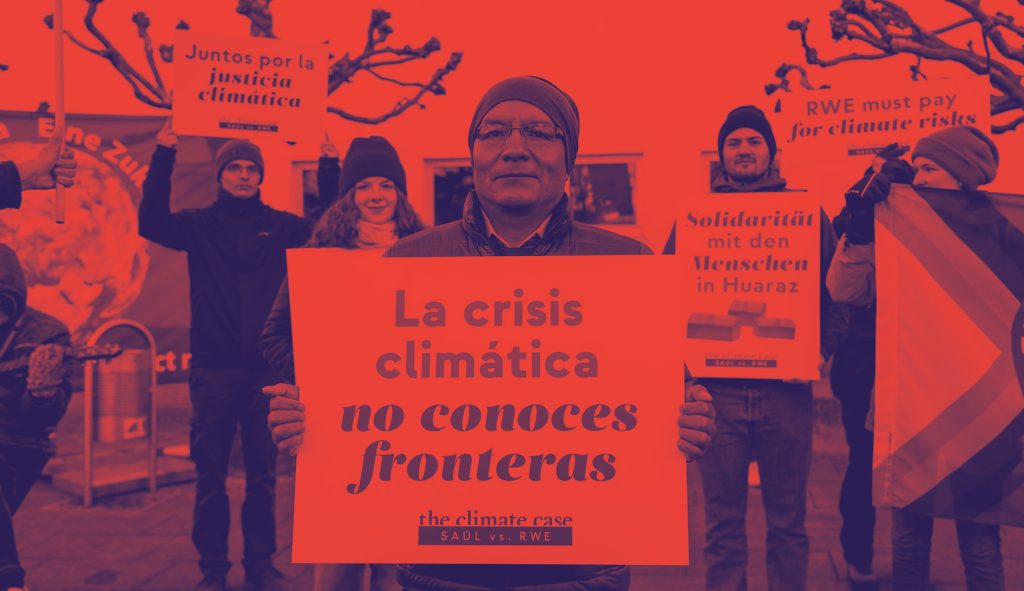
Prioritize life over profit. | EFE
Climate budgets
Por: Mariana Matamoros | October 10, 2025
When we hear the phrase “climate change,” we probably think of heat waves, heavy rains, forest fires, or natural disasters. And when we hear about the “national budget,” the first things that come to mind are taxes, politicians’ salaries, public works, or things that seem far removed from our daily lives. But the truth is that climate change and a country’s budget are deeply connected, and not just from an economic standpoint, but from something much more important: our rights.
Climate change affects human rights
Climate change is not something that will happen in the future. It is already here. We feel it in the rising prices of food due to droughts, in water shortages due to lack of rain, in hospitals overwhelmed by respiratory diseases caused by heat or pollution. Those most affected are not those who pollute the most, but those with the fewest resources: rural communities, women, children, the elderly, and people living in areas vulnerable to climate change.
Every drought, flood, or fire threatens not only the environment but also fundamental rights such as health, access to water, food, housing, and a dignified life. That is why the response to climate change must focus on the rights of the most vulnerable, because they are the ones who suffer most from the consequences of it. For example, in Colombia, 91,000 people were displaced by natural disasters in 2024, the third highest figure in more than a decade, mainly due to storms, floods, droughts, and forest fires. But Brazil is the most worrying case, as in the same year, disasters displaced 1,124,000 people.
So, what does the budget have to do with it?
The national budget is the plan that each government makes about how it will raise money (mainly through taxes) and how it will spend it on education, health, transportation, subsidies, etc. It is, in short, how public resources are organized to ensure that all people have access to their human rights.
And here comes the important part: depending on the type of environmental policy, every dollar that is collected and spent can help combat climate change or make it worse.
For example, if a government invests more money in clean energy, in restoring rivers or forests, in sustainable public transportation, or in protecting communities at risk, it is helping to combat climate change. But if that same government decides to spend billions subsidizing fossil fuels (such as gasoline and diesel), it is supporting activities that pollute and accelerate the climate crisis.
In other words, the budget is not just a spreadsheet. It is a political tool that defines what is protected and who is prioritized.
Two paths: mitigate and adapt
There are two main ways in which a country can act on climate change using its fiscal policy:
Through mitigation, which means reducing the causes of climate change. For example, by taxing the most polluting companies, removing exemptions for industries that harm the environment, or eliminating fossil fuel subsidies.
And through adaptation: this means preparing to live with the effects of climate change. This includes investing in flood-resistant infrastructure, early warning systems, crops that can withstand extreme heat, or strengthened health systems.
In this sense, mitigation measures are the result of tax policies, which generate revenue and feed public budgets. Adaptation actions can be financed with these same resources, so it is essential that budgets are aligned with the real needs of people and the planet.
It is a matter of fiscal justice
One of the main challenges we face is that those who pollute the most are not always those who contribute the most financially to remedying that damage. Large companies, extractive industries, and people with extremely high levels of consumption often receive tax benefits or pay minimal taxes compared to the environmental impact they generate.
For example, a study conducted in Brazil revealed that, in 2017, 94% of the country’s carbon emissions came from activities not subject to taxation, and that oil and gas companies received tax incentives and exemptions. And in the United States, it was found that 22 oil and gas companies, including Chevron, Halliburton, and Occidental Petroleum, paid no federal taxes in 2018 and also received billions in tax refunds.
Meanwhile, the majority of the population, which contributes little to the climate crisis, suffers the most from its consequences. This is not only unfair: it is a violation of basic principles of equity and human rights.
That is why organizations such as Dejusticia are promoting a series of measures that can help build a fairer tax policy, both for people and for the planet. Among these, we highlight:
- Increase the progressivity of taxes: This means that those who have more and pollute more should pay more. It is not fair that the burden of financing the state falls on the middle and lower classes while large fortunes and polluting companies do not contribute according to their wealth.
- Raise the carbon tax rate and eliminate exemptions: Currently, many countries have very low carbon taxes or allow certain sectors to benefit from exemptions to pay less carbon tax. This must change. Carbon taxes can be a powerful tool for reducing pollution, but only if they are applied vigorously, fairly, and transparently.
- Tax wealth and luxury goods: People with higher incomes tend to have lifestyles with a larger ecological footprint: they travel more by plane and consume more energy and products that impact the environment. Taxing these luxuries is not only fair from a fiscal standpoint, but also from an environmental one.
- Eliminate tax privileges for polluting sectors: It makes no sense for industries that destroy ecosystems to receive tax benefits to reduce their tax liability to governments. These privileges must be eliminated, and the resources freed up can be allocated to climate adaptation or environmental justice projects.
- Support regional and global agreements: The climate crisis is global. Therefore, cooperation between countries is essential, not only to share information, but also to ensure fair financing mechanisms, where the richest countries, which have historically polluted the most, assume their share of responsibility. The Regional Tax Cooperation Platform for Latin America and the Caribbean (PTLAC) and the United Nations Framework Convention on Tax Cooperation are examples of initiatives that we must support in order to create inclusive, equitable, and transparent policies around the world.
And as citizens, what can we do?
In addition to raising awareness about climate change, we may not have the power to decide the national budget, but we do have the right and responsibility to inform ourselves, demand transparency, and participate in the debate. We can ask our governments to explain how they are using public money to address climate change. We can support policies that promote a just transition and demand that those who pollute the most take responsibility, which we would achieve through our votes for mayors, governors, congressmen, and presidents.
It is about generating more revenue, but also about spending better. It is about prioritizing life over profit. Because, ultimately, every dollar the government spends says something about what and who we are willing to protect. And if we do not protect human rights, then what are we financing?
