


“Seville’s commitment” must not remain on paper
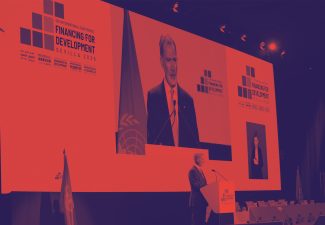
What we saw and heard in the previous forums—especially in the feminist and civil society space—made it clear to us that grassroots mobilization is key.
Read MoreClimate budgets
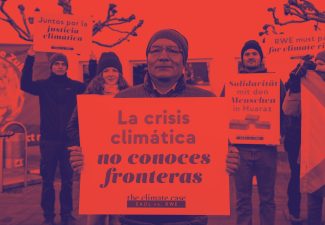
El presupuesto no es solo una hoja de cálculo. Es una herramienta política que define qué se protege y a quién se prioriza.
Read MoreTaxes and spending with a sense of social justice
Talking about fiscal policy means talking about government revenue and spending, but above all about its power to transform lives and define the future we want to build.
Read MoreWhat’s in the shopping cart: the hidden history of “neutral” taxes

Consumption taxes hit low-income households hardest, where every penny counts.
Read MoreThe Hungarian Case and its Anti-NGO Laws
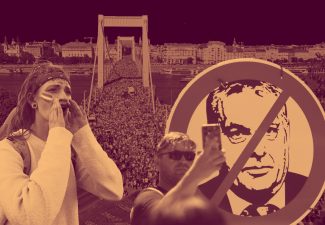
One of the most sustained targets is civic space. Orbán’s government has invoked transparency and national sovereignty to justify a series of laws designed to suffocate independent civil society.
Read MoreReclaiming multilateralism for a shared future
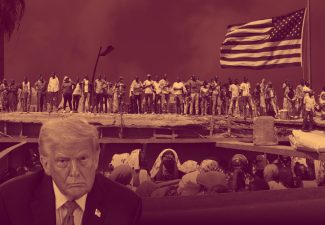
An alternative to the crisis of this model of cooperation is to create a new approach to multilateralism that makes collective bargaining conditions more favorable for the Global South.
Read MoreWhere will the solutions to a world in crisis come from?
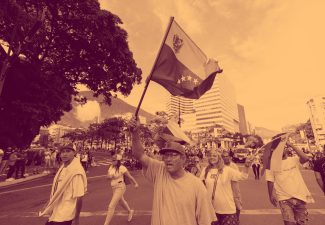
Debates on multilateralism, migration, and democracy are shaping 2025. From the Global South, we explore how these issues are redefining geopolitics and what lessons they offer for building a more just and sustainable future.
Read MoreHuman mobility under threat: How is Latin America responding?
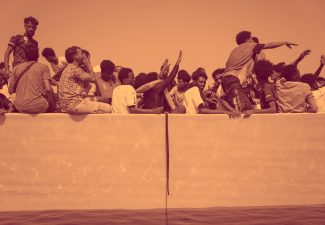
In 2025, migration policies from the Global North intensify securitization and externalization of control, undermining fundamental rights in Latin America. This blog examines how the region, despite setbacks, can sustain rights-based responses and build alternatives to the criminalization of human mobility.
Read MoreWhen spending and freedoms are restricted. Milei’s Argentina
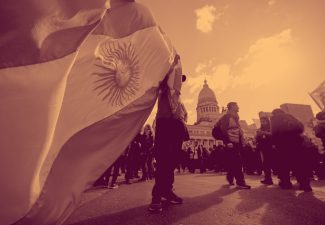
Since 2023, Javier Milei’s government in Argentina has advanced a harsh economic adjustment alongside restrictions on civic freedoms and repression of social protest. This text examines how these measures erode rights, entrench extractivist models, and threaten democracy, highlighting the urgency of defending protest as a democratic tool.
Read MoreThe Moment of the Global South: Seizing 2025 to Transform Multilateralism

2025 may be a turning point for multilateralism. With FfD4 in Seville, COP30 in Belém, and the G20 in Johannesburg, the Global South has the chance to lead the fight for a fairer global system, defending economic, climate, and social justice in a world fractured by geopolitical rivalries.
Read MoreLawyers: What are they not for?

To what extents can lawyers go to defend the interests of their clients?
Read MoreDisclosing public servants’ private interests: A powerful but unexploited anti-corruption tool
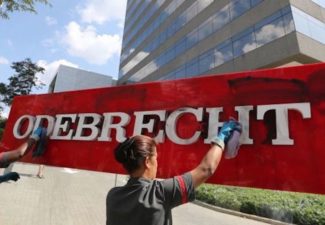
Both the legislation and the case law of other countries have made considerable efforts to exploit the potential of the disclosure of private interests of public servants as an anti-corruption tool. In contrast, Colombia has yet to adopt these reforms and judicial pronouncements.
Read MoreThe Punishment of Silence: Mental Health Around the World

Far from being an issue of self-care, about which we can speak as casually as we do physical illnesses, mental health is something that we prefer to keep in silence. It’s a topic that carries certain collective fear, shame, and prejudice.
Read MoreMy Name is Nobody
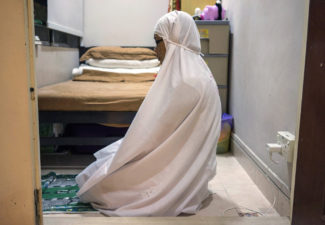
As a human being, Alba needs to be able to assume her identity without fear. But if the conditions she experiences persist and the impacts on her health are made invisible, she could end up having this name that no human being should ever have – whether as a survival mechanism or because of her state of marginalization.
Read MoreLa Universidad Pública: An Institution Worth Saving
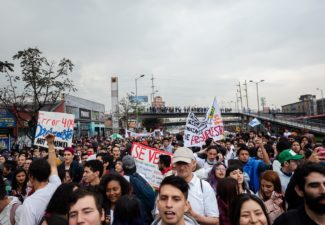
We are being asked to define the purpose of education. Is it simply to reproduce and reward already vested and privileged interests? Or, is the purpose of education to invest in equity, in accessibility, in enriching our societies and our lives through knowledge, discovery and community?
Read MoreThe ICC Venezuela Referral and the Tumultuous Shift in Latin American Politics

With the rise of right-wing presidents in Latin America, measures like the referral can be abused by such governments to advance their political agendas in the region, thereby delegitimizing the crucial cause of seeking justice for victims in Venezuela as a common goal.
Read MoreUsing regulation to repair the mistakes of drug prohibition

Recognizing the ethno-racial biases of marijuana prohibition, the opening of the legal market has involved a series of measures aimed both at compensating for damage caused over the course of prohibition, and at overcoming conditions of economic inequality.
Read MoreMigrants and Work: Lessons from Lebanon
Before the innumerable challenges that come with Venezuelan migration, we don’t need to improvise. We need to learn from countries like Lebanon that have already tried.
Read More#PeasantsRightsNow

Protecting the rights of peasants and rural workers implies the protection of the fundamental rights guaranteed to the rest of the population, including those in urban areas, given the impact that food production has on the rights to health and a healthy environment.
Read MoreNot Pretty in Pink: The Undisclosed Fashions of Farmed Salmon

People often choose cuts with bright pink to reddish hues, under the impression that these are fresher, tastier, and of better quality, thus warranting premium prices. The reality, however, is that “color does not affect these characteristics” and, in the case of farmed salmon, this color is actually manufactured.
Read MoreMonitoring report on Resolution 1325 of the United Nations, Colombia 2017
he Sixth Monitoring Report of Resolution 1325 is a monitoring and implementation instrument, produced by Coalition 1325 since 2011. This report becomes important in the framework of the implementation of the Final Agreement between the Colombian Government and the FARC-EP, It follows up on Resolution 1325 and provides tools to assess the application of the gender approach and the participation of women in the implementation of the Agreement.
Read MorePrison or death. Professional secrecy as a fundamental guarantee in abortion cases.
This book raises some legal reflections on the importance of professional secrecy by health professionals in the cases of women who come to health centers looking for help after having terminated their pregnancy clandestinely, endangering their health and even their life.
Read MoreThe struggle for social rights
This book, in addition to showing to what extent social rights rulings are implemented in the world, also studies causal factors and strategies that have shown practical utility.
Read MoreLand in transition: transitional justice, land restitution and agrarian policy in Colombia
This new Dejusticia publication presents an analysis on the transition processes in Colombia in order to address conflicts related to land ownership, tenure and use.
Read MoreBusiness and Human Rights. Beyond the End of the Beginning
The regulation of business in the global economy poses one of the main challenges for governance, as illustrated by the dynamic scholarly and policy debates about the UN Guiding Principles on Business and Human Rights and a possible international treaty on the matter.
Read MoreLand restitution, housing policy, and productive projects: Ideas for the post-agreement period
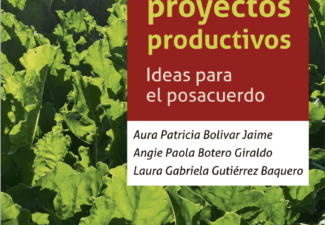
This document aims to examine the results of the land restitution process, with emphasis on its articulation with housing and income generation policies, central components that restitution and return require in order to guarantee victims decent living conditions in terms of livability and economic sustainability.
Read MoreCoca, institutions, and development
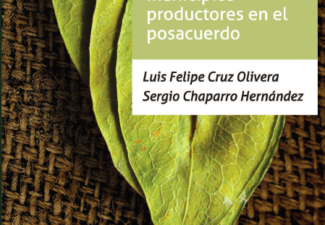
This document aims to analyze the challenges that coca producing municipalities face in two crucial aspects in the future: the construction of a local State and the definition of a human development path that is both integral and participatory.
Read MoreA balancing act. Drug policy in Colombia after UNGASS 2016
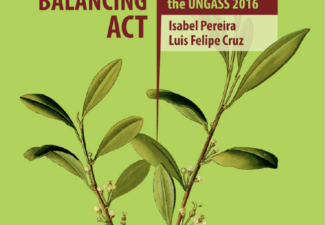
This document is the result of a project developed by Dejusticia in cooperation with the Ministry of Justice and Law of Colombia and the British Embassy in Colombia, with funds from the United Kingdom through its embassy in Colombia.
Read MoreTerritorial Justice System for Peace
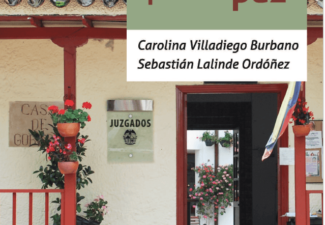
This book is part of the collection Documents for Peacebuilding in which Dejusticia presents ideas to face the complex challenge of building a stable and lasting peace in the post-agreement period. This specific document addresses the need to strengthen the national judicial system in an articulated manner and with an emphasis on rural areas and on overcoming the armed justice that operates in many places.
Read MoreFighting the tide: Human Rights and Environmental Justice in the Global South
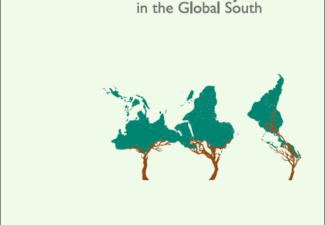
This text forms part of a long-term project undertaken by Dejusticia as part of its international work. The project revolves around the Global Action-Research Workshop for Young Human Rights Advocates that Dejusticia organizes each year to foster connections among and train a new generation of action researchers.
Read MoreDejusticia intervenes in defense of the rights of communities from the Atrato river
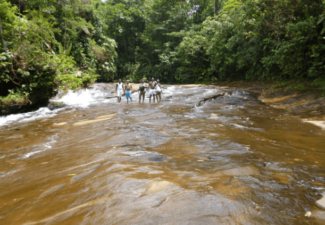
Dejusticia filed its intervention with the Constitutional Court of Colombia, in a protection case filed by the Center for the Study of Social Justice, “Tierra Digna.” The case relates to the environmental pollution of this river basin, which has resulted from mechanized mining activities and from the unauthorized exploitation of forest resources.
Read MoreCoadyudancia in Favor of Popular Consultation in Pijao
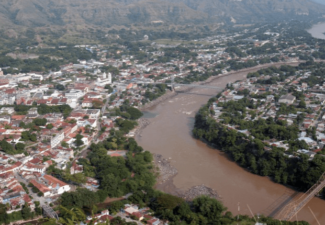
Coadyuvancia to the tutela process defending the right of citizen participation in the popular consultation about mining proposed by the mayor of Pijao.
Read MoreHuman Rights Case Against Former Bolivian President for Role in 2003 Massacre Cleared to Move Forward
Court of Appeals Rejects Defendants’ Attempt to Have Case Dismissed
Read MoreDejusticia’s Intervention in Constitutional Court Public Hearing

The public vote of the peace accord to achieve a constitution in peace and a constitutional peace.
Read MoreIntervention in Litigation Alleging Unconstitutionality of Resolution 339 of 2012 Establishing Peace Negotiations in Havana
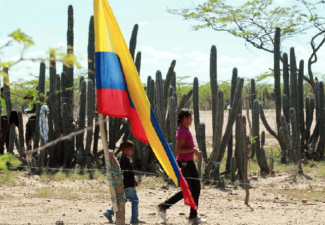
We intervened in an unconstitutionality case presented by ex-Public Prosecutor Eduardo Montealegre Lynett, against the expression “agreement”, contained in the general agreement for the end of the armed conflict and building of a stable and durable peace, found in the annex of Resolution 339 of 2012, promulgated by the President of the Republic.
Read MoreDejusticia Intervenes in Favor of Migrant Woman in Bolivia who Was Sterilized without Her Consent

Dejusticia intervenes before the Inter-American Court on Human Rights in the case of a migrant woman in Bolivia who was sterilized without her informed consent.
Read MoreDejusticia Intervenes in Defense of the Santurbán Páramo
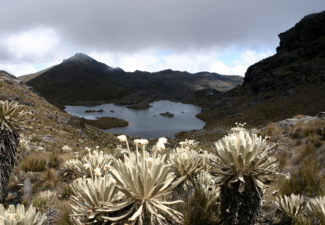
Dejusticia intervened in an action for protection filed by the Committee for the Defense of Water and the Santurbán Páramo, against the Ministry of Environment, Housing and Territorial Development, which is currently being reviewed by the Constitutional Court.
Read MoreRodrigo Uprimny Intervnes in Hearing Regarding the Balance of Powers Reform
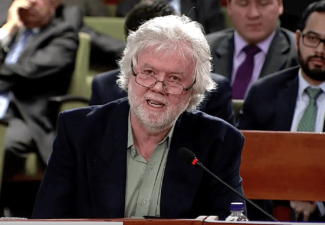
Last March 30th there was a hearing about the complaint presented by the Nation’s Public Prosecutor, Eduardo Montealegre against the Balance of Powers Reform. This was Rodrigo Uprimny’s contribution.
Read MoreDejusticia Intervenes in Favor of Popular Vote for Peace Agreement through a Special Popular Consultation
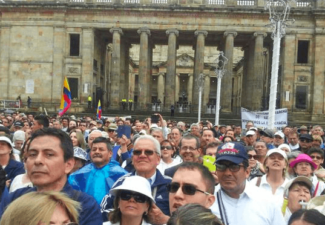
Dejusticia intervened in the process testing the constitutionality of the bill that regulates the plesbiscite putting the final peace accord to a popular vote to end the conflict and build a stable and lasting peace. This synthesizes the arguments of this intervention.
Read MoreIntervention Litigating Article that Establishes Sales Tax

We intervened before the Constitution Court litigating the unconstitutionality of Numera 3 of Article 171 of Law 1607 of 2012, that modifies taxes and establish a sales tax.
Read More