


Ethno-Reparations: Ethnic Collective Justice and Reparations for Afro and Indigenous Communities in Colombia
By César Rodríguez-Garavito (Retired in 2019), Yukyan Lam |
This text begins by explaining the concept of "collective ethnic justice" and then offers practical guidance on how it can be achieved in practice by describing relevant principles and criteria found in Colombian and international law.
Access to Justice: Cases of Business Human Rights Abuses
By Carolina Bernal Uribe, Miguel Emilio La Rota |
Access to justice and effective remedy have become a crucial element in the protection of human rights within the context of business activities, as well as an area of fundamental importance to judges and lawyers who aim to promote the rule of law and human rights.
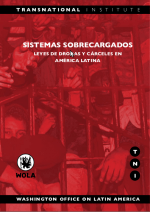
Systems Overload: Drug Laws and Prisons in Latin America
By Diana Esther Guzmán Rodríguez, Rodrigo Uprimny Yepes |
This paper demonstrates how drug policy in the country tended to a progressive hardening along the twentieth century and, notwithstanding, failed to be effective in reducing supply and in combating organized crime networks dedicated to trafficking.

Altered State: Clientelism, Mafias and Institutional Weakness in Colombia
By Javier Eduardo Revelo Rebolledo, Mauricio García Villegas |
This book articulates a comprehensive vision of not only the the social and political effects of the paramilitary phenomenon in Colombia, but also of the institutional and legal weaknesses of the Colombian government, which has been captured by mafias and political actors.
In Search of a Transformative and Participatory Concept of Reparations in the Context of Transitional Justice
By Diana Esther Guzmán Rodríguez, Rodrigo Uprimny Yepes |
This article aims to help overcome some of the limitations of the prevailing transitional justice approach.

And they refounded the homeland… On how the mafia and politicians reconfigured the Colombian State
By Javier Eduardo Revelo Rebolledo, Mauricio García Villegas, Rodrigo Uprimny Yepes |
This publication discusses the implications of the capture of the Colombian State by illegal armed groups.

Courts and Social Change: How the Constitutional Court Changed Forced Displacement in Colombia
By César Rodríguez-Garavito (Retired in 2019), Diana Rodríguez Franco |
What role do the courts play in a democracy? What kind of judicial interventions are required to promote public policies that effectively guarantee rights and encourage social change? This book answers these and other questions.

Todo list: proposals for the formulation of public policies on reparations in Colombia
By Dejusticia |
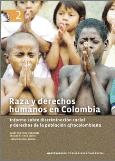
Race and Human Rights in Colombia. Report on Racial Discrimination and Rights of Afro-Colombians
By César Rodríguez-Garavito (Retired in 2019) |
This work questions the myth of racial democracy in Colombia and is the full version of the Report on Racial Discrimination and Rights of Afro-Colombian population.

Majorities without Democracy: Power Imbalances and the Rule of Law in Colombia
By Javier Eduardo Revelo Rebolledo, Mauricio García Villegas |
The theme of presidential reelection has been present, with brief interruptions, in the headlines of the national press since 2004. A lot has been said, discussed and analyzed in favor and against reelection during this period. The main point of contention lies in the conception of democracy.

Reparations in Colombia: Dilemmas in a Context of Conflict, Poverty and Exclusion
By Diana Esther Guzmán Rodríguez |
This publication contributes answers to the challenges based on the need to repair grave violations committed in a context of war, poverty and exclusion.

New Book: “Normas de papel. La cultura del incumplimiento de reglas”
By Mauricio García Villegas |

State intelligence gathering on the internet and social media: the case of Colombia
By Lucía Camacho, Daniel Ospina Celis, Juan Carlos Upegui Mejía |

Against the Current: Human Rights and Climate Justice in the Global South
By Jessica Corredor Villamil |

Under Surveillance: (Mis)use of Technologies in Emergency Responses
By Dejusticia |

Inteligencia estatal en internet y redes sociales: la privacidad bajo amenaza
By Lucía Camacho, Daniel Ospina Celis, Juan Carlos Upegui Mejía |

Analysis of a tax on sugar-sweetened beverages in the Colombian labor market
By Randy Sebastián Villalba Arango, Diana Guarnizo |

Strategic Litigation Manual: From Theory to Practice, Lessons from Colombia & Lebanon
By Gabriela Eslava, Mauricio Albarracín, Maryluz Barragán |

Fiscal policy in the regulation of adult-use cannabis in Colombia
By Alejandro Rodríguez Llach, Luis Felipe Cruz, Isabel Pereira Arana |

Reimagining the Future of Human Rights
By Jessica Corredor Villamil |

Migration and Decent Work: Challenges for the Global South
By Lucía Ramírez Bolívar, Jessica Corredor Villamil |

Civil Resistance Against 21st Century Athoritarianism
By Dejusticia |

Gender discrimination in Football. Building a Toolbox Toward Gender Equity in the Beautiful Game
By Dejusticia |

