


State intelligence gathering on the internet and social media: the case of Colombia
By Lucía Camacho, Daniel Ospina Celis, Juan Carlos Upegui Mejía |

Against the Current: Human Rights and Climate Justice in the Global South
By Jessica Corredor Villamil |

Under Surveillance: (Mis)use of Technologies in Emergency Responses
By Dejusticia |
Inteligencia estatal en internet y redes sociales: la privacidad bajo amenaza
By Lucía Camacho, Daniel Ospina Celis, Juan Carlos Upegui Mejía |
Analysis of a tax on sugar-sweetened beverages in the Colombian labor market
By Randy Sebastián Villalba Arango, Diana Guarnizo |
Strategic Litigation Manual: From Theory to Practice, Lessons from Colombia & Lebanon
By Gabriela Eslava, Mauricio Albarracín, Maryluz Barragán |
Fiscal policy in the regulation of adult-use cannabis in Colombia
By Alejandro Rodríguez Llach, Luis Felipe Cruz, Isabel Pereira Arana |
Reimagining the Future of Human Rights
By Jessica Corredor Villamil |
Migration and Decent Work: Challenges for the Global South
By Lucía Ramírez Bolívar, Jessica Corredor Villamil |
Civil Resistance Against 21st Century Athoritarianism
By Dejusticia |
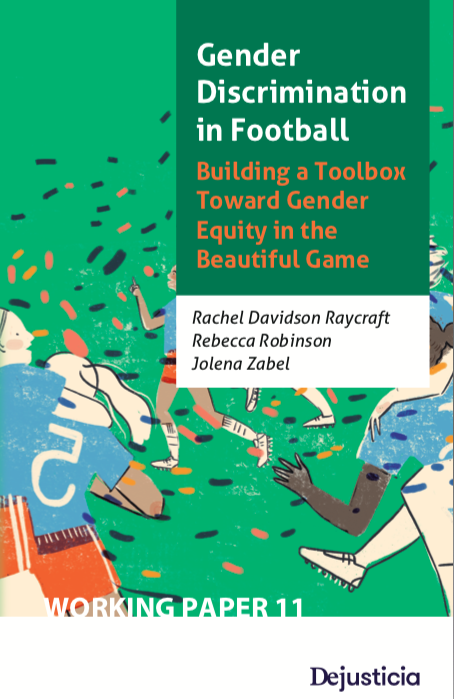
Gender discrimination in Football. Building a Toolbox Toward Gender Equity in the Beautiful Game
By Dejusticia |
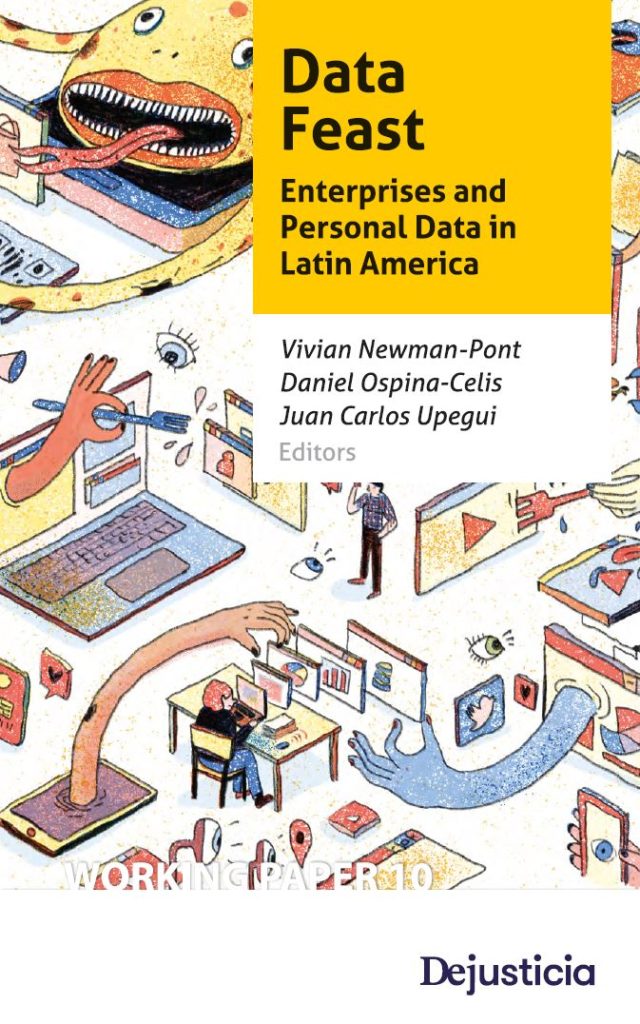
Data Feast: Enterprises and Personal Data in Latin America
By Vivian Newman Pont, Daniel Ospina Celis, Juan Carlos Upegui Mejía |
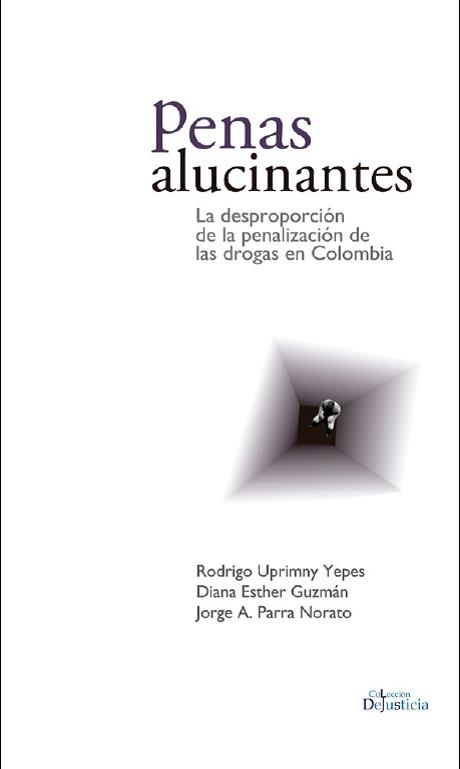
Outrageous Penalties: Disproportionality in the penalization of drugs crimes in Colombia
By Diana Esther Guzmán Rodríguez, Jorge Alberto Parra Norato, Rodrigo Uprimny Yepes |
This study supports with solid empirical evidence that drug policies in Colombia that resort to the use of criminal law do not respect the principle of proportionality and therefore are not justifiable from the constitutional point of view.
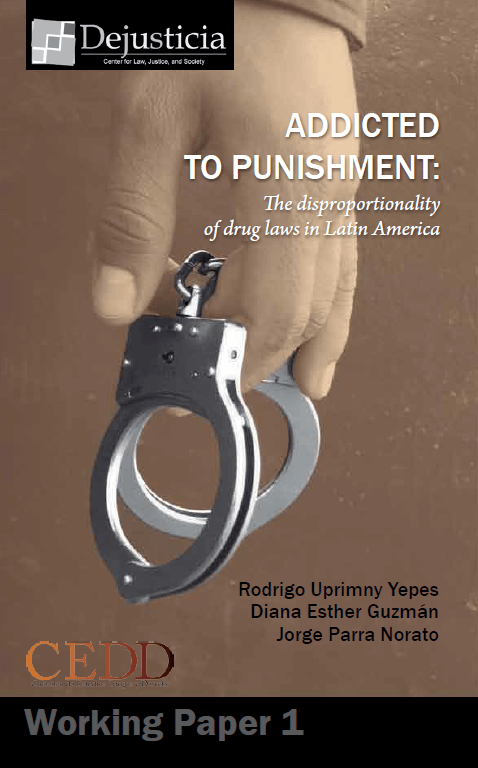
Addicted to punishment: The disproportionality of drug laws in Latin America
By Dejusticia |
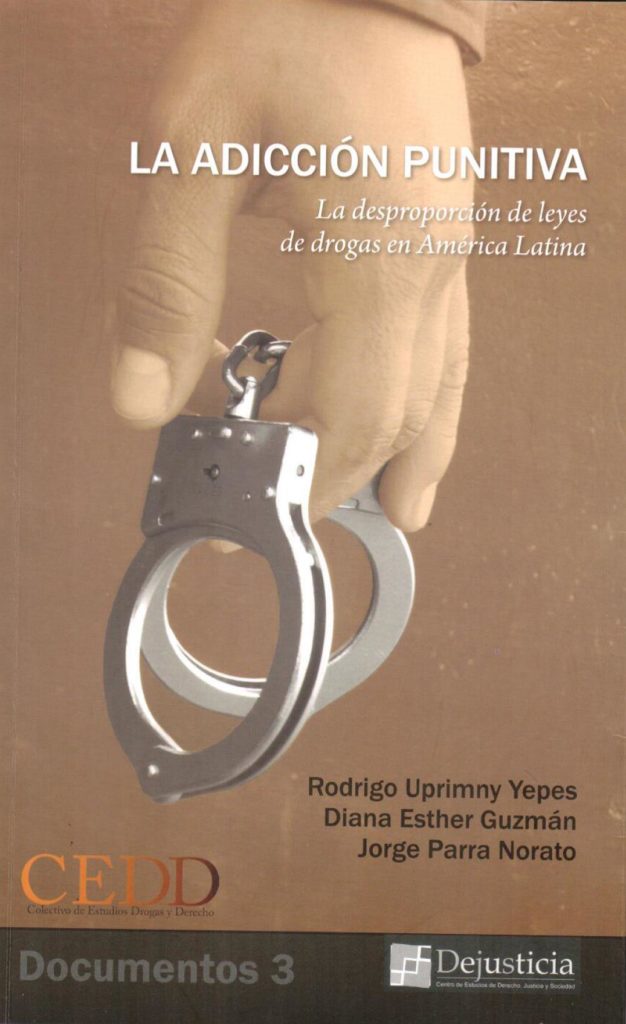
Addicted to Punishment: The disproportionality of drug laws in Latin America
By Diana Esther Guzmán Rodríguez, Jorge Alberto Parra Norato, Rodrigo Uprimny Yepes |
This document describes the disproportionality of the drug-related crimes in seven Latin American countries. Even though they are punishable behavior that does not directly or indirectly harm third parties, studies of drug crime related laws show a regional tendency to increase the use of criminal law
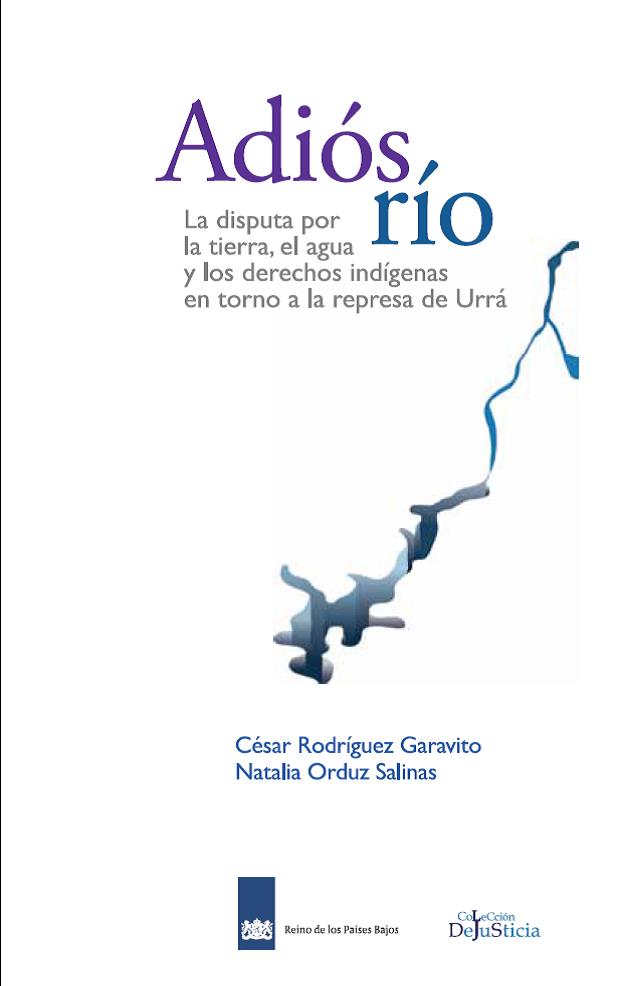
Goodbye river: The Dispute over Land, Water and the Rights of the Indigenous living near the Urrá dam
By César Rodríguez-Garavito (Retired in 2019), Natalia Orduz |
This books tell the story of the dam of Urrá through the central themes of violence and the dispute for land and the natural resources in Colombia.
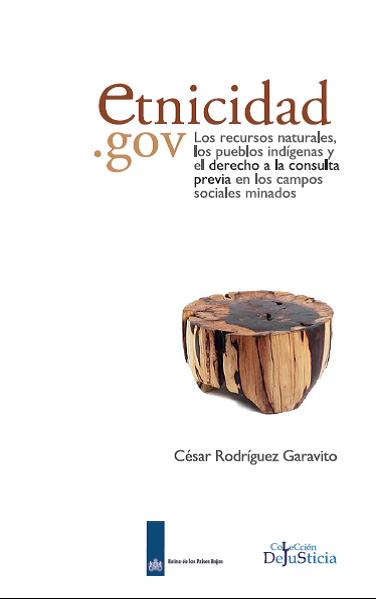
Ethnicity.gov: Natural resources, Indigenous Peoples and the Right to Prior Consultation
By César Rodríguez-Garavito (Retired in 2019) |
This book analyzes the origins, practice, and effects of the right to prior consultation for indigenous peoples.
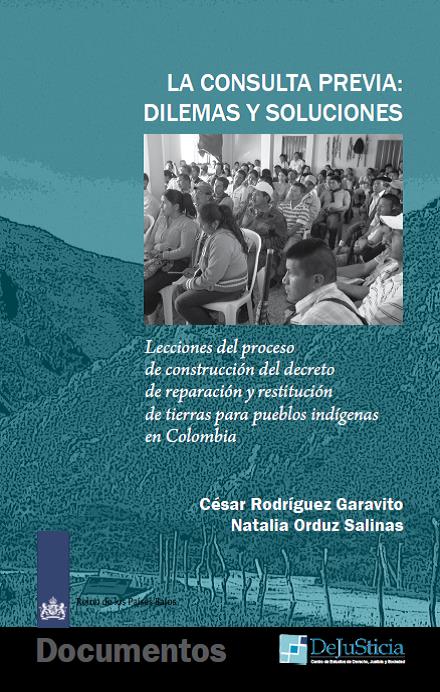
Prior Consultation: Dilemmas and Solutions
By César Rodríguez-Garavito (Retired in 2019), Natalia Orduz |
The book provides lessons from the drafting process of the Reparations and Restoration of Land to Indigenous Peoples decree in Colombia.
13th Discussion Document: Quota Law in Colombia: Progress and Challenges. Ten Years of Law 581 of 2000
By Diana Esther Guzmán Rodríguez, Paola Molano Ayala |
In 2000 the Colombian legislature approved a law aimed at promoting equal participation of women in high-level state offices through the adoption of a quota system that orders that at least 30% of public offices are occupied by women.
Responsible and Transparent Budgetary Autonomy
By Carolina Bernal Uribe, Miguel Emilio La Rota, Rodrigo Uprimny Yepes, Sandra Santa Mora |
This paper provides some evidence for the discussion of the budget of the judicial authorities in Colombia and propose an alternative to reform its budget system.
Experiences in Latin American Countries on the Investigation of Complex Crimes
By Carolina Bernal Uribe, Miguel Emilio La Rota |
In this document we describe some of the experiences in the region's countries regarding the investigation of complex crimes.
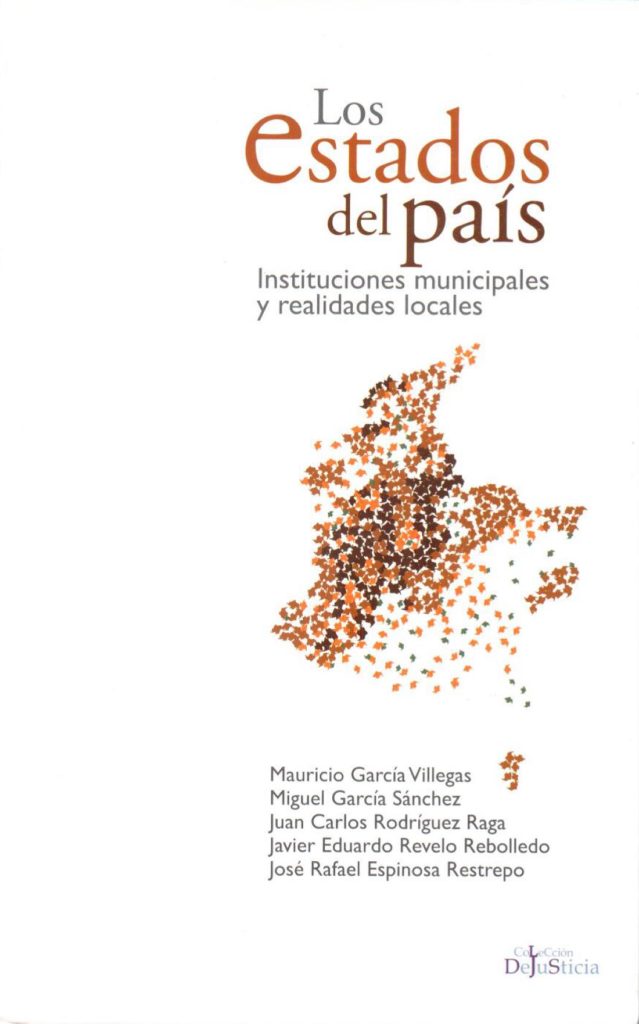
The States of the Country: Municipal Institutions and Local Realities in Colombia
By Javier Eduardo Revelo Rebolledo, José Rafael Espinosa Restrepo, Mauricio García Villegas |
This book studies the Colombia's social reality through local institutions.

Weaving Rights 1: Prior Consultation and Free, Prior, and Informed Participation
By Natalia Orduz |
The first book of the collection is about the rights to prior consultation and free, prior and informed participation.
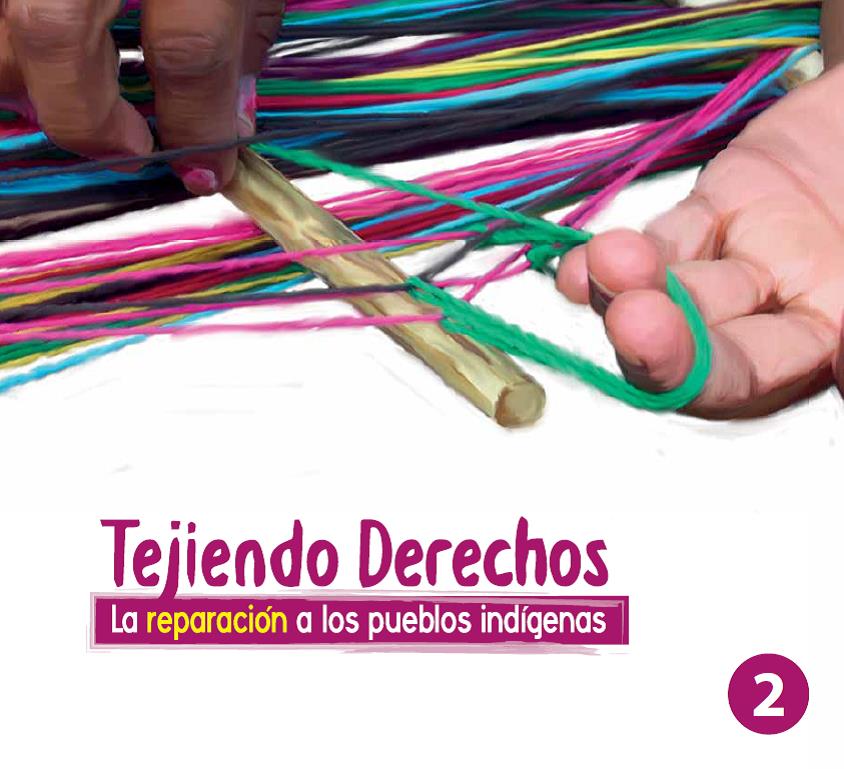
Weaving Rights 2: Reparation for Indigenous Peoples
By Natalia Orduz |
The second book in the collection is on the right to reparations for indigenous peoples
