


LATEST IN COLOMBIA

News

Defend the ICC: INCLO national human rights organizations call on states to protect international rule of law against United States attack
By Dejusticia |
If left unanswered, it will set a precedent that will go beyond the ICC itself: that any country with sufficient power can threaten the institutions and individuals responsible for enforcing international law.

Defending human rights around the world requires funding
By Dejusticia |
Fiscal policy is no longer a purely economic issue; it has become the cornerstone of sustainable development.

Who should collect taxes when services cross borders?
By Dejusticia |
Digital platforms and artificial intelligence operate without borders, but tax rules remain stuck in the past. The UN Framework Convention seeks to revolutionize the taxation of cross-border services.

From Taxes to Rights
By Dejusticia |
Behind every hospital, school, or social program lie a country’s budgetary and tax decisions. This article explores how taxes and public spending determine the effective guarantee of human rights.

Three Borders, One Life: The Struggle of Three Trans Migrant Women in Colombia
By Dejusticia |
Transphobia, irregular migration status, and structural discrimination overlap in the lives of transgender migrant women, shutting them out of access to healthcare, work, housing, and legal protection.

Between Dependency and Diversification: Agrarian Reform in Colombia and the Shift in International Cooperation
By Dejusticia |
As U.S. cooperation is drastically reduced, Colombia is opening its doors to China’s market and investment to support agrarian reform. However, the Asian model—focused on infrastructure and commercial pragmatism—raises serious questions about whether it can fill the gaps in human rights, territorial peace, and humanitarian assistance.
International Humanitarian Law and Victims of Child Recruitment as Targets of an Attack
By Dejusticia |
An interpretation of the spirit of IHL, manifested in the principles of military necessity and humanity, as well as the IHRL standards applicable to children, should always prohibit the State from causing excessive death or injury. There is nothing more excessive than killing recruited children —vulnerable, discriminated against, and abandoned by the State— in order to gain a military advantage that could have been achieved through other means.
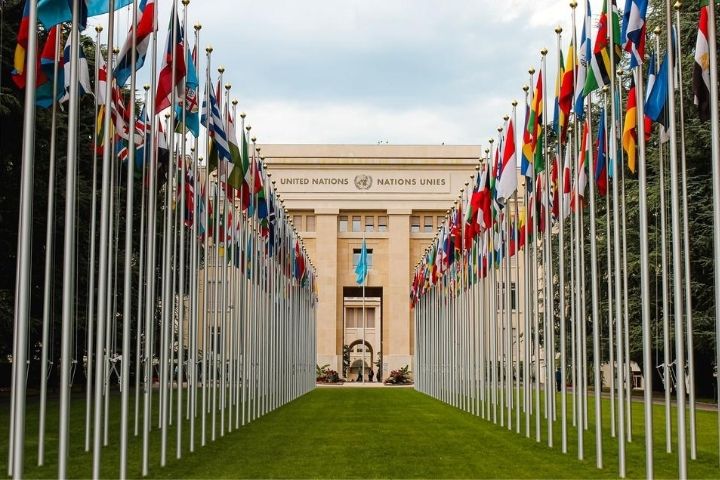
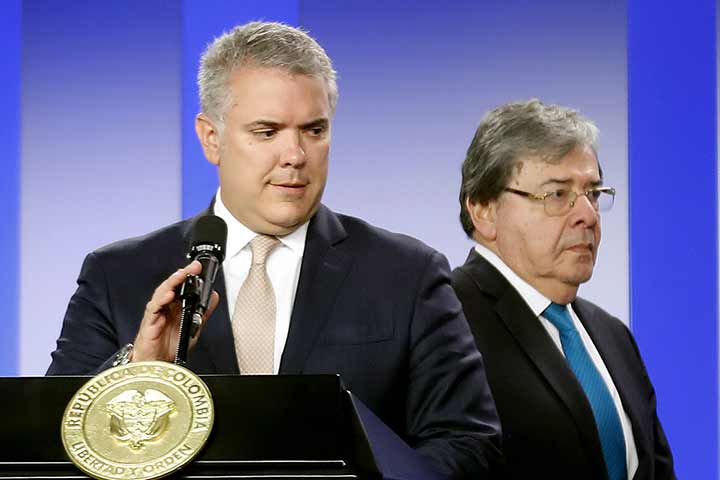
The Duque Government Before the United Nations: A Zero in Conduct
By Mayra Báez |
Above all of this disorder, something remains constant: the Duque government’s decided interest to weaken international supervision of human rights not only in the Interamerican system, but also in the United Nations.

Digital Transitions in Transitional Justice
By Dejusticia |
The digitalization of transitional justice should not be seen as a long-term solution, as it can never replace the visceral dynamics of in-person human interaction and emotion, both essential in transitional justice processes.

Elementa DD.HH. y Dejusticia presentamos un amicus en el proceso que adelanta el Asocazul y Cajar por afectaciones derivadas de aspersiones con glifosato
By Dejusticia |
El glifosato causó daños irreversibles a los campesinos del sur de Bolívar y el Estado debe repararlos. Así lo argumentamos en una intervención ante el Consejo de Estado.
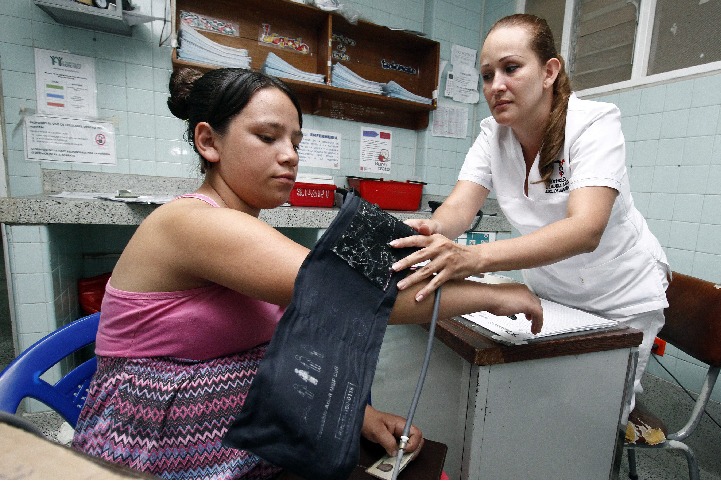
Colombia must obtain resources to guarantee the right to health of Venezuelan migrants: Constitutional Court
By Santiago Ardila Sierra |
The high court protected the right to health of two undocumented Venezuelans and requested the government to advance as “expeditiously and effectively as possible” towards the full realization of migrants’ right to health, regardless of their immigration status. Dejusticia intervened in the case.
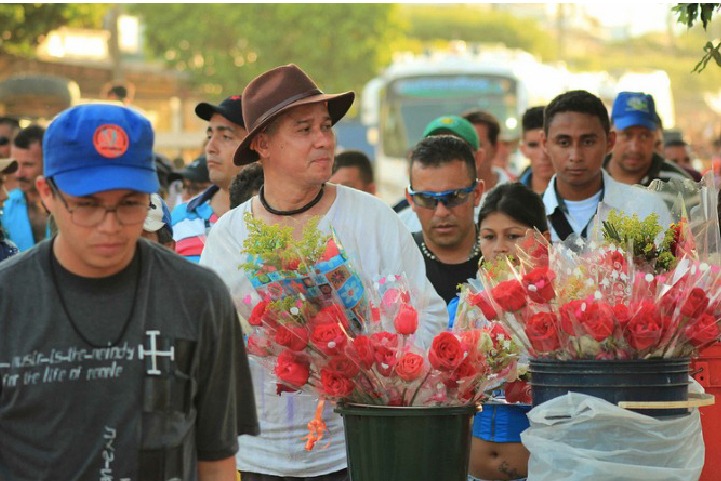
Dejusticia intervenes in defense of Venezuelan migrants’ right to health
By Dejusticia |
The Constitutional Court invited Dejusticia to present their legal opinion on two cases concerning the right to health of people coming from Venezuela.
The long wait of the JEP ahead of the decisions of the Constitutional Court and Congress
By Dejusticia |
In the last six months civil society organizations, such as Dejusticia, have called on both institutions to give free rein to the norms that consolidate the Special Jurisdiction for Peace.
Case of indigenous people of Bojayá who could not vote in the plebiscite is about to reach the Court
By Mauricio Albarracín |
Through a tutela, a group of Emberá claimed their rights to political participation and equality, because their economic situation and how far they live made it impossible for them to move to endorse the Peace Agreement. Dejusticia, human rights organizations, and indigenous leaders asked the High Court to review the case.
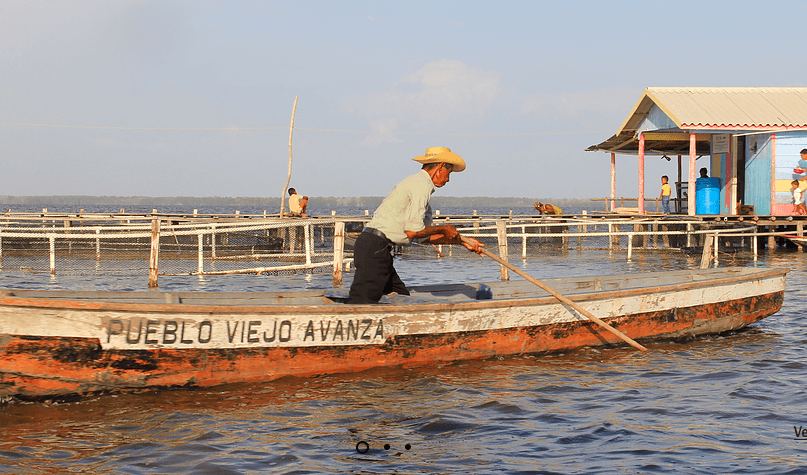
The Constitutional Court has the last word to save the Ciénaga Grande of Santa Marta
By César Rodríguez Garavito |
The environmental crisis of this ecosystem led fishermen to pursue a legal battle that reached the High Court. In this intervention, we support their demand that environmental authorities take urgent measures to stop the disaster and thus, protect their rights to healthy environment, dignified life and work.
Gender focus in rural reform is important but insufficient
By Ana Jimena Bautista |
The Gender-in-Peace Working Group -GPAZ, a group of which Dejusticia is a member, took part in the Public Hearing convened by the Constitutional Court, within the framework of the informal constitutional review of Decree 902 of 2017 “to facilitate the implementation of the Comprehensive Rural Reform contemplated in the Final Land Agreement, specifically the procedure for access and formalization and the Land Fund.”
Stories
From The Territory
We travel with 20 indigenous activists of the world to the heart of the Sierra Nevada de Santa Marta. Listen to this story about the Kankuama Resistance.
Dejusticia's
Documentaries
Discover some of the documentary pieces that we have made. Indigenous resistance, migration of Venezuelans to Colombia and stories of women coca growers, are some of our topics of interest.
