


Issue-Anti-discrimination
Peace for women
The biggest challenge of 2017 is to consolidate peace. The agreement between the Government and the FARC promises to promote comprehensive rural reform, a process of democratic openness, a system that guarantees the rights of victims of armed conflict and some solutions to the problem of illicit drug use. Promises that should materialize with a gender approach, which came to the Agreement thanks to the persistence of the social movement of women and remained in it, despite having been misrepresented during the campaign of the plebiscite.
Read MoreBojayá, the town we left without a voice or a vote
“The paramilitaries enter, two weeks later, the FARC enters, and kills half the town.” This is how Maxima, a black woman in the Committee for the Rights of the Bojayá Victims, summarizes what happened on May 2, 2002.
Read MoreA school without walls of intolerance
These new times really require us to listen to others who are radically different from us and try to understand their reasons, their beliefs and their life stories.
Read MoreA “Christianly correct” referendum
Last week, the Senate’s plenary approved in a second debate the proposal of a referendum by senator Viviane Morales, which aims to limit adoption only to heterosexual couples, excluding single individuals (both heterosexual and homosexual) and same-sex couples. Throughout a sad debate, the discriminatory spirit of this initiative became visible.
The year we crashed against ourselves
2016 is ending and I cannot find a better title to encapsulate it that the one of Martín Caparrós’ op-ed: “the year in which we crashed against ourselves.'”
Read MoreLife sentence?
The horrific murder of indigenous girl Yuliana Samboní, probably committed by Rafale Uribe, a member of Bogota’s elite, provokes pain, indignation and anger. Thus, it is healthy that there was a spontaneous reaction of citizens to demand punishment. And it is understandable that some ask for extreme sentences, like life sentence, for these atrocities.
Read MoreWhere are these so-called monsters born?
We refuse to believe that a “normal” person can become a perpetrator capable of raping and brutally murdering a girl, impaling a woman or burning her body with excessive cruelty.
Read MoreThis is how the winter of the new inquisition has arrived
After ten years of spring for the rights of lesbians, gays, bisexuals, trans and intersex (LGBTI), we have entered the winter of the new inquisition. If something was reborn and consolidated itself during 2016 in Colombia, it was homophobia and transphobia.
Read MoreImagine Living in a Meritocracy
Promoting the debate about a fair evaluation of merit should be an important task for the human rights movement since several demands from minority and historically excluded groups, such as access to higher education or affirmative action policies in employment, find opposition in nominally meritocratic arguments.
Read MoreGender and peace
The support of many Christians to the peace process will depend on them abandoning their opposition to the accord based on what they have called “gender ideology.”
Read MoreThe Wiwa People and the Ranchería Dam (Documentary)
In the 2005, the INCODER began the construction of the El Cercado Dam on the Ranchería River. The government issued the construction license for the dam violating the right of the indigenous peoples of the Sierra Nevada de Santa Marta to prior consultation. In this documentary, members of the Wiwa People share how their physic and cultural survival was threatened by the construction and their means of resistance they have developed to challenge the Dam.
Read MoreThey Have the Right, but It’s Forbidden
The government recognizes certain rights of the indigenous peoples of the Cauca and of the Afro-Colombians in the islands of the Caribbean. But at the same time, they are enforcing laws that forbid the exercise of these rights.
Read MoreRemembering our Brothers and Sisters: November 20th, Transgender Day of Remembrance
The fact that 64% of transgender persons in Bogota suffer some sort of aggression because of their gender identity shows that we need to exchange our prejudices for respect and comprehension.
Read MoreScholars and Journalists
It is regrettable that the debate about academic fraud in Colombia has broken out surrounding the case of the scientist Raúl Cuero. But it would be even more regrettable if the debate turned against the researcher Rodrigo Bernal, who did nothing more than what his job demands: to rigorously investigate and publish what he finds (in this case, Cuero’s real record).
Read MoreTutela writ against marriage?
No, because the tutela writ is meant to protect rights, not to take them away.
Read MoreAccess to justice for women victims of sexual violence
Fifth follow-up report on Decision 092 of the Constitutional Court.
Read MoreA look at Women´s Rights in Colombia
El informe “Una mirada a los Derechos de las Mujeres en Colombia” es el resultado del trabajo realizado por una alianza de redes y organizaciones de mujeres y mixtas que vienen trabajando en su elaboración desde enero del 2013. Este informe recoge los aspectos más importantes de la situación de los derechos humanos de las…
Read MoreTrivialising racism
Major advances have taken place to make the black population and the discrimination against them more visible, as was shown in the opening acts of the World Afro Summit in Cali and Cartagena.
Read MoreThe Wiwa People and the Rancheria Dam
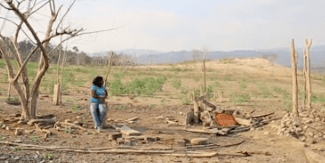
In this mini documentary, Dejusticia and the Wiwa people describe the effects of the construction of a dam without prior consulation on the affected communities. It shows the devastating affects of the dam on the lives and territority of the Wiwa People.
Read MoreWhat is the Sierra Nevada of Santa Marta?
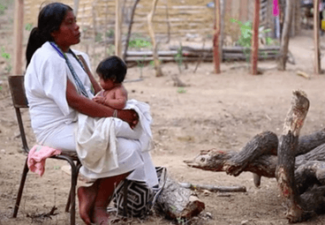
The Sierra Nevada of Santa Marta is a disputed territory. The resources found there attract both legal and illegal actors seeking to control the area. In this documentary members of the Wiwa and Kankuamo People explain what the Sierra means to them.
Read More