


Issue-Environmental Justice
Do rivers have rights?
To avoid the slow death by pollution of the Atrato River it is necessary to protect the right to integrity and life of the river´s ecosystem.
Read MoreThe Heroism of Prevention
Atul Gawande, the notable surgeon and writer, published recently “The Heroism of Incremental Care”, a tremendous chronicle of the true heroes of his profession: those who save the most lives. He well could have written about the heroes of tragedies such as the landslide of Mocoa
Read More10 years of struggle: the story behind the mining consultation in Cajamarca
In Colombia, getting citizens to decide about mining in their territory has not been easy.
Read MoreClarification on Cajarmarca
Despite the interests and passions at stake, we must accept and debate with arguments the decision of the inhabitants of Cajamarca to ban mining and protect the water and agricultural interests of their municipality.
Read More“If there is no water for the people, there is no water for the palm”: the ‘peace’ conflicts of Marialabaja
The Montes de María subregion in the Colombian Caribbean has been living for ten years what is now called postconflict: the absence of formal armed actors in the territory and the government’s commitment to guarantee rights and non-repetition.
Read MoreReasons and Non-reasons of the Post-Truth
Why do we believe clearly false news? Why do millions think climate change does not exist? Why is it that so many fathers and mothers do not immunize their children, believing the myths about the curses of the vaccines? How do voters around the world and all conditions choose populist rulers who lie in the light of day?
Read MoreFrom guerrilleros to forest rangers
The end of war, as war itself, has paradoxical effects on nature. The most well-known impacts are the destructive ones: the poisoning of rivers through illegal mining that has financed guerrillas and paramilitaries alike; the contamination of soil due to the bombing of oil pipelines by the ELN, the rents imposed by FARC for coca crops in national parks, the forever dried-up wetlands by paramilities who cultivated palm.
Read MoreEntrenching the Guiding Principles on Business and Human Rights: Can the Inter-American System Help?
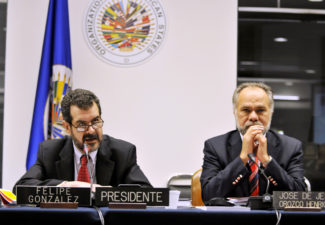
In effect, by using the Guiding Principles as a guide for the state of international law in the context of business and human rights, the Court turned the weak-kneed “should” language in Principle 18, into a requirement that the State was expected to have ensured.
Read MoreThe déjà vu of untitled lands: the Constitutional Court can prevent us from returning a century
“A large proportion of the untitled land concessions between 1849-1872 was for the extraction of cinchona bark (…) Among the merchants of the bark who obtained concessions were persons with significant fortunes, and others who had been high officials of the State or had ties to the government. Among them there were also foreign investors. Other export products such as tobacco, rubber, indigo and coffee had a similar fate (…)
Read MoreReparation, Indigenous Rights, Social Rights: Imagining Justice for Ethnic Communities in Colombia
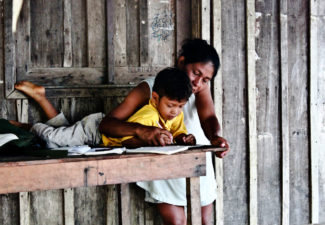
This case, like the other ethnic land restitution cases, seems to reflect an emergent ethnic public policy that considers not just the need for collective reparation, but also for guaranteed social rights and ethnic rights in order to ensure the survival and wellbeing of ethnic communities in their traditional lands.
Read MorePijao, the “slow” town that challenges the mining sector

In this article by El Tiempo, Laura Sepúlveda explains how Dejusticia supported the formulation of the tutela that Pijao residents submitted to get a popular consultation process on mining affairs.
Read MoreConstitutional Court ruled over claim against the granting of mining titles in the Mining Code
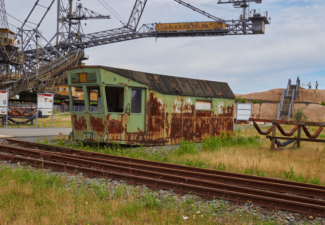
Dejusticia intervened in a claim that sought to declare several articles in the Mining Code (Law 685 of 2001) unconstitutional. This was the Court´s response.
Read MoreTolima Tribunal approved popular referendum in Ibagué
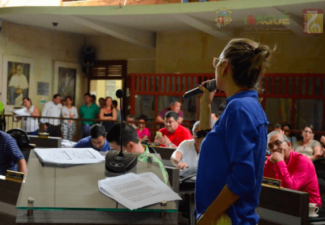
The tribunal accepted the proposals made by Dejusticia and others who supported the initiative.
Read MorePeople’s Consultations About Mining Are Constitutional
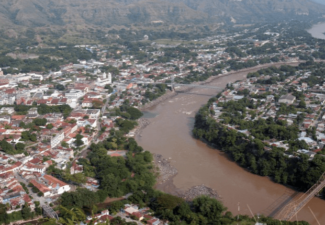
Dejusticia filed a supporting brief in the protection case presented by citizens of Pijao, in defense of their right to citizen participation in a people’s consultation about mining.
Read MoreCoadyuvancia in Favor of the Constitutionality of the Popular Consultation in Ibagué
In this coadyuvancia text we defend the constitutionality of the popular consultation in Ibagué through the analysis of two legal issues.
Read MoreIbagué Mining Consultation in Final Stages
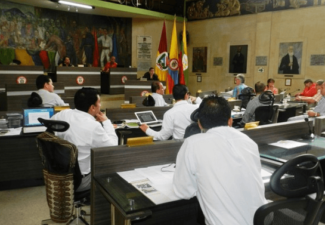
The Council of Ibagué backed the right to consultation on mining matters, but it still has to wait for approval by the Administrative Court of Tolima. Dejusticia researchers explain that Ibagué complies with all the requirements and that the local government has the competency to do this.
Read MoreWhy Are the Regulations of the New National Development Plan Regarding Paramos and Development Projects of National Strategic Interest Unconstitutional?

With six votes in favor and two against, the Constitutional Court ruled that the article of the National Development Plan that permits mining in paramos is unconstitutional.
Moreover, with a 5-3 vote, the Court decided that victims’ rights to land restitution supercedes Development Projects of National Strategic Interest.
In August 2015 Dejusticia intervened in this litigation arguing these measures’ unconstitutionality.
Read MoreAre Popular Consultations about the Environment and Mining Viable in Ibagué?

Regarding Ibagué mayor’s intention, Dejusticia researchers discuss the legality of these mechanisms in Colombia.
Read MoreDejusticia and BHRRC present groundbreaking coal report at COP 21
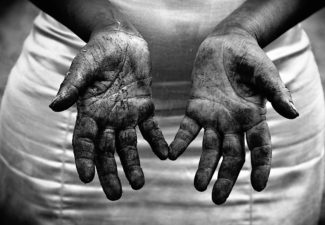
Coal industry expands in developing world, linked to abuses
Read MoreReport about the Coal Industry’s Human Rights Impacts
The research conducted by Dejusticia and BHRRC is now available to the public in www.coalinthesouth.org
Read More