


Home_Internacional
Climate change reached the world’s highest court: a moment of hope for environmental justice
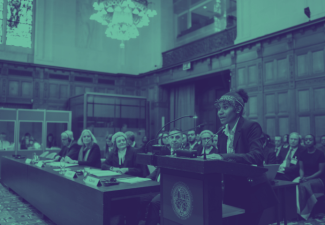
The International Court of Justice held a series of historic hearings regarding the most pressing problem of our times: climate change. We followed them from The Hague.
Read MoreArgentina must protect social mobilization, not silence it
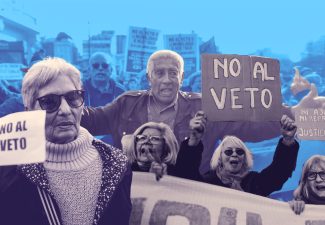
We express concern about the advance of authoritarianism in Argentina and its consequences for the entire region, and urge Latin American states to speak out in defense of democracy and the human rights of Latin American peoples.
Read MoreEnlaza Strengthening Program: an Opportunity to Strengthen Ourselves as a Civil Society

Faced with the closure of civic space and the advance of authoritarianism, civil society organizations are strengthening their strategies for resistance and sustainability.
Read MoreDictatorship in Peru: Silencing the People’s Voice
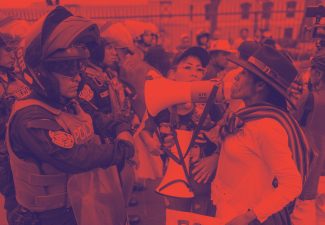
Since the coup d’état against President Castillo, the Executive lost the confidence of broad social sectors, which felt that their will expressed at the polls had been violated.
Read MoreUnderstanding Democratic Decline
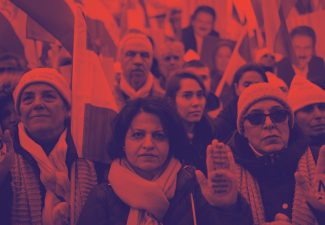
What explains the rise of these authoritarian populisms? There are no easy answers to that question because this evolution responds to multiple factors.
Read MoreDemocracies in Crisis Bring Challenges for Civil Society
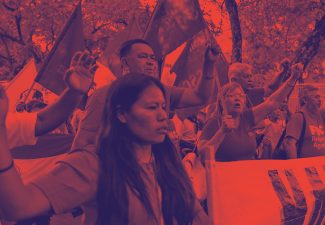
In this newsletter we show how the current decline of democracies goes hand in hand with strategies to weaken civil society. On the other hand, this double crisis can offer the human rights movement an opportunity to rethink and transform ourselves.
Read MoreThe right to protest under threat: the situation in Peru
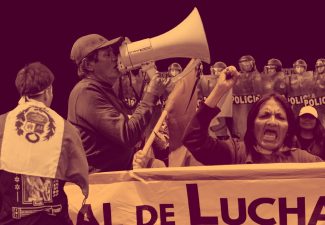
Peru faces a fractured democracy: violent repression, criminalization of protests, and exclusion of indigenous communities expose historical wounds. The political and social crisis demands justice and urgent structural change.
Read MoreThe right to protest under threat: the situation in Peru
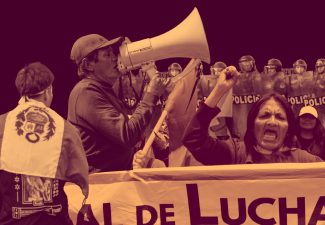
Peru faces a fractured democracy: violent repression, criminalization of protests, and exclusion of rural and indigenous communities. The political and social crisis demands justice and urgent structural change to settle the historical debts owed to vulnerable populations.
Read MoreThe search for the disappeared: similar paths miles away
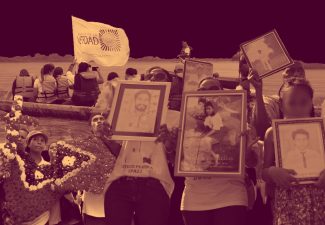
An empty plate speaks louder than words. In Colombia, Timor-Leste, and Indonesia, families refuse to forget their disappeared loved ones, confronting bureaucratic obstacles, institutional failures, and silence, demanding truth, justice, and the answers they are owed.
Read MoreStraddling borders: a journey of indigenous identity and sovereignty
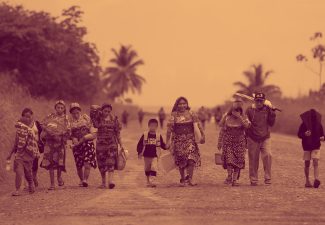
The 21st century continues to portray Indigenous peoples as “a thing of the past,” as a people “dominated by the Europeans, civilized by them, or dead by their hatred,” making the impacts of Indigenous genocide clearly persist today.
Read MoreThe Shrinking of Civic Spaces: What is Happening and What Can We Do?
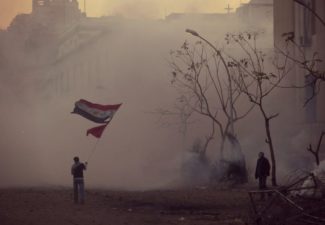
In addition to the threat of populism, human rights face another distinct, yet related phenomenon: the shrinking of civil society spaces around the world.
Read MoreMadurazo
There were no tanks attacking the civil institutions, which characterized previous coups. But in Venezuela there was a coup d’état, which intends to be judicially legalized, but that nevertheless is a democratic rupture.
Read MoreVenezuela, welcome to Colombia
Our Venezuelan brothers and sisters are migrating to Colombia in search of a dignified life. The authoritarian regime of Nicolás Maduro is creating the worst humanitarian crisis in Venezuela.
Read MoreTrump and the future of human rights
Donald Trump’s presidency creates serious risks and challenges for human rights globally, but this victory could have an unexpected positive effect: to push the human rights movement to carry out transformations in its architecture and changes in its strategy that were imperative even before Trump, and that are now urgent.
Read MoreInvisible and Vulnerable Migrants
To read this post in English click here.
Hundreds of migrants travel invisibly through Latin America toward the United States and confront regressive migration policies in our continent.
This is How Slavery Works in the 21st Century
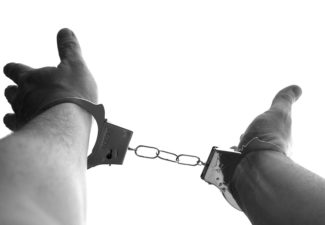
The International Labor Organization (ILO) estimates that there are approximately 20.9 million slaves, of which 26 percent are children. This is more enslaved people than during any other point in history.
Read MoreThe Venezuelan Crisis: From Politics to Human Rights
It’s time to break political factions’ monopoly on the debate about Venezuela and see the situation for what it truly is: a human rights crisis.
Read MoreHealth Versus Trade All Over Again
What seems to be at stake here is not the safety of the patients but rather the profits of a booming pharmaceutical market.
Read More