


Home_Internacional
Indigenous peoples in cross-border mobility. An unknown phenomenon that deserves attention.
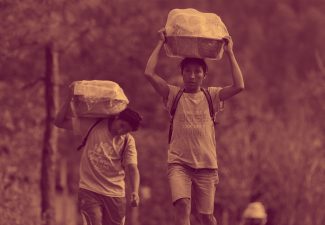
The lack of agreements between Colombia and neighboring countries for the granting of bi-nationality, as well as the practical impossibility of access to nationality by naturalization, due to the impossibility of meeting requirements for members of cross-border indigenous peoples
Read MoreNew Book Collating Nutrition Labeling Experiences in Latin America Launched

This book explores the role of nutrition labeling in combating obesity and non-communicable diseases in Latin America. Activists and researchers share lessons learned, emphasizing collaboration between civil society and academia to advance public health reforms.
Read MoreGender identity and migration in South Africa: a layered experience
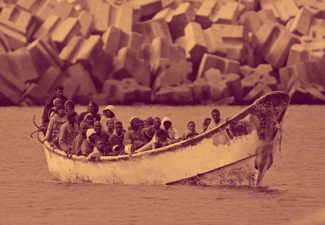
South Africa carries an additional appeal for African LGBTQIA+ individuals seeking to flee victimisation and criminalisation in their home countries. Due to the provisions of its progressive post-apartheid constitution, South Africa has explicitly recognised persecution based on sexuality and gender identity as legitimate grounds for asylum since 1998.
Read MoreTrafficked migrant and refugee women in Latin America: State responses and challenges
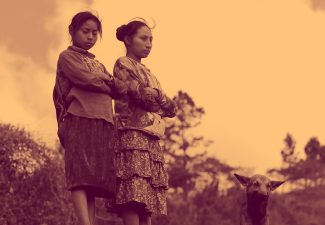
Approximately 8 million people have left Venezuela and about 36% (2,811,570) of them are in Colombia, the main receiving country of the Venezuelan migrant population in the region.
Read MoreBorders, forced migration and differential approaches
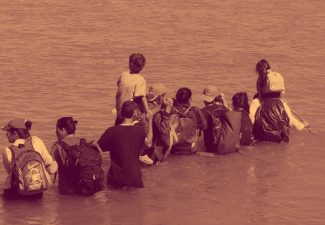
The articles and blogs in this new edition of the Newsletter highlight just some of the impacts that borders can have on the lives of individuals and communities.
Read MoreFrom Indonesia to Peru: The Experiences of Our Fellows from the Global South

Seven researchers from six countries came to our organization to strengthen their work on transitional justice, gender, peasant rights, extractivism, technology, among others. This exchange strengthens the impact of their organizations and promotes the defense of human rights in their countries of origin.
Read MoreLocal stories of justice and reparation in the face of extractivism in Latin America
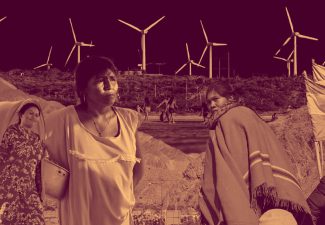
The question persists on how to address this tension from the perspective of the territories, considering the way indigenous communities construct justice, prioritizing their views over those of companies and states.
Read MoreOpen call for Global North fellowships 2025
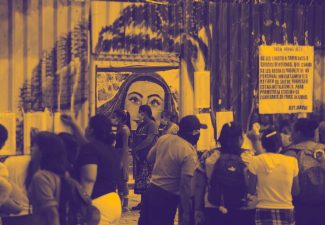
This opportunity, for the second semester of 2025, allows for the exchange of tools and research-action strategies developed at Dejusticia, as well as the contributions of interns and fellows with their own experiences and those of their organizations.
Read MoreWe have fellowships for defenders from the Global South: Be part of the 2025 cohort!

This opportunity allows human rights defenders from countries in the Global South who are in emergency or high-risk situations to develop their projects and participate in an academic and cultural exchange in a safe space. Apply before January 31, 2025.
Read MoreJustice for victims of the armed conflict in Peru, again at risk

Law 32107 blocks investigations and sanctions for war crimes prior to 2002 in Peru. This affects more than 69,000 victims of the armed conflict, mainly indigenous and peasant communities, perpetuating impunity, exclusion and making social reconciliation difficult in a polarized country.
Read More