


Issue-Anti-discrimination
Silvia Rivera Cusicanqui and Multispecies Justice in the Andes

This essay is part of Indigenizing International Law: Multispecies Justice from Inverse Legal Anthropology, a forthcoming book developed over fifteen years between the University of Kent and Dejusticia.
Read MoreBeing a migrant in times of surveillance
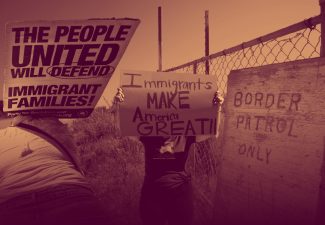
Biometric data, because it is personal and sensitive, requires rigorous handling, but today it is used without sufficient safeguards, exposing people to surveillance and discrimination.
Read MoreKankuama women, living fabric, and ancestral justice

In the heart of the world, the Sierra Nevada de Gonawindúa (Santa Marta), Kankuama women strengthen their own justice system through Community Committees, with the aim of guaranteeing access to justice for women and their families in order to achieve harmony and balance in their communities and territories.
Read MoreThe Kankuamo people as guardians of the Sierra Nevada

The Kankuamo people of the Sierra Nevada de Gonawindúa are guardians of ancient knowledge, preserving the balance and way of life that is kept high in the mountains. To fulfill their life mission, the Kankuamos have resisted colonization and conflict, reborn in their own government as envisioned by the mamos and sagas. “Our ancestors taught us to care for and live in brotherhood and community,” is the lesson left by Governor Jaime Luis Arias.
Read MoreThe struggle of ACIMVIP: Sacha Muiu and the protection of the territory

In Villagarzón, known as the heart of Putumayo for its rich biodiversity, the hopes and goals of the Inga people remain. ACIMVIP.
Read MoreUma Kiwe Mother Earth: a commitment to caring for water and life in Mocoa

In the Colombian Amazon foothills, three women have come together around a dream: to resist the extractivist destiny that has contributed to the destruction of the forest, rivers, and their communities, using communication as a form of defense and conservation of their territory.
Read MoreThe binationality of the Wayuu people: the vision from their cosmology

The Wayuu people have demanded the recognition of their binationality, appealing to the legal and political link that unites them with Colombia and Venezuela, which should translate into a full guarantee of rights and citizenship in both countries.
Read MoreGender discrimination in Football. Building a Toolbox Toward Gender Equity in the Beautiful Game
As the most popular sport worldwide, football (or soccer) may be the poster child for lingering gender disparities in sport.
Read MorePunitive drug laws: 10 years undermining the Bangkok Rules
A set of 70 rules that seek to adapt world prison systems to the needs and experiences of women deprived of liberty are in risk by the punitive approach of many drug laws.
Read MoreThe Sarayaku and the Inter-American System on Human Rights: Justice for the “Medio Dia” People and their Living Jungle
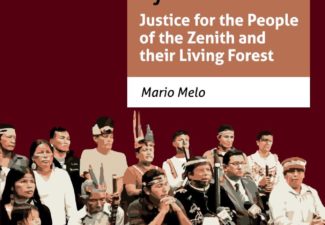
Mario Melo Cevallos, lawyer of the Kichwa people of Sarayaku, presents his version of the history of resistance and mobilization of the indigenous people before the State plans to exploit the oil that was in the heart of the Amazon.
Read MoreIndigenous Leaders of the World: Register for the Third Global Indigenous Workshop

The concept of the “living jungle” will be the guide for this workshop, which will occur in December in the territory of the Sarayaku in the Ecuadorian Amazon. Applications open until July 10.
Read MoreGender Ideology: Demagogy or Strategy to Roll Back Rights?
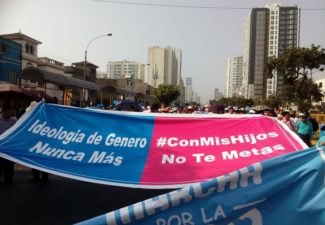
The weakening of rights has come in blows that are difficult to perceive, but which have a substantial impact in the lives of women and LGBT people.
Read More“Without us, the world would not turn”
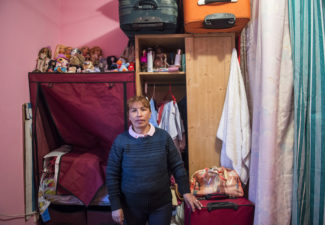
Understanding the reasons why certain women from certain regions end up doing certain work opens the door for critically approaching the fact that the majority of domestic workers are migrants in precarious situations.
Read MoreA Hop, Skip, and a Jungle Away: From the Global South to Sarayaku
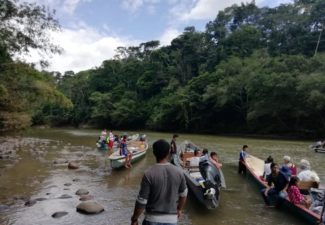
Nearly all of the indigenous leaders who joined us for the workshop had some troubles in transit, which is clearly not an accident.
Read MoreDejusticia intervenes in defense of Venezuelan migrants’ right to health
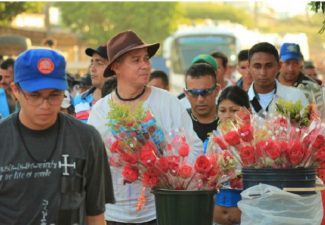
The Constitutional Court invited Dejusticia to present their legal opinion on two cases concerning the right to health of people coming from Venezuela.
Read MoreTongue Twisters of the State
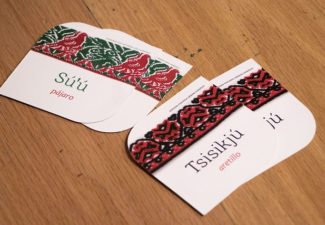
Around 97% of the world’s population speaks approximately 4% of the world’s existing languages. Put differently, around 96% of languages are spoken by about 3% of the global population. Linguistic diversity is being preserved by only a handful of people.
Read MoreWhat should not be told: Tensions between the right to privacy and the access to information in cases of the voluntary termination of pregnancy
This document attempts to illustrate and analyze some of the tensions that exist between the right to privacy and other relevant constitutional rights and duties, such as the right to information and the duty to report in the context of the partial decriminalization of abortion in Colombia.
Read MoreVacillation towards migrants
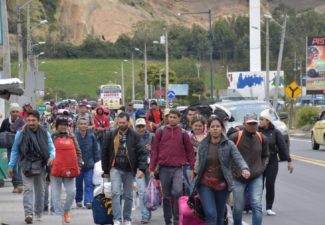
The situation of Venezuelan migrants is too serious and urgent to equivocate on good faith and sway with the changing political circumstances of each government.
Read MoreQue Sea Ley
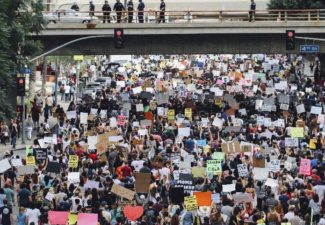
In spite of the Argentine Senate’s decision, this mobilization showed the force of the feminist movement, destabilized conservative sectors, placed abortion at the center of the legislative debate, and, above all, gave a feeling of victory to women.
Read MoreDejusticia intervenes in defense of Venezuelan migrants’ right to health
The Constitutional Court invited Dejusticia to present their legal opinion on two cases concerning the right to health of people coming from Venezuela.
Read MoreThe Yukpas: The Indigenous community who migrated to Colombia in search of rice
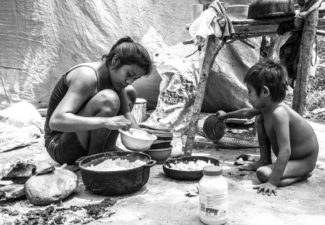
One of Colombia’s greatest challenges as it relates to Venezuela’s migration crisis is the ethnic group who came from the neighboring country, having fled the crisis and asking to be recognized as binational citizens. They are some 300 people who decry the death of two of their children, the disappearances of some of their members, and the consistent threats they face.
Read MoreIndigenous Sovereignty and the Wars on Drugs in the Americas
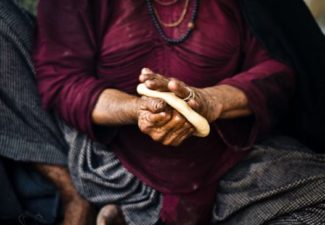
As drug policy reform takes on new meaning and energy across the hemisphere, let us also remember the historic indigenous effort to retain sovereignty over territory and sustain communities, now challenged by both drugs and the wars against them.
Read MoreA mother with many daughters

Daughters from a same mother are mobilizing in Colombia, Ecuador, the United States, Philippines and Mexico to defend it.
Read MoreThe battle for differentiated criminal treatment for small growers continues

On March 20th, the Ministry of Justice issued a new version of the bill on differentiated criminal treatment for small coca, marihuana and poppy growers. The proposed changes aim to respond to the General Attorney’s criticisms, but have generated concern and distrust among communities.
Read MoreGuatemala: Dejusticia intervenes in a process that seeks to protect the right to prior consultation of the Xinka people
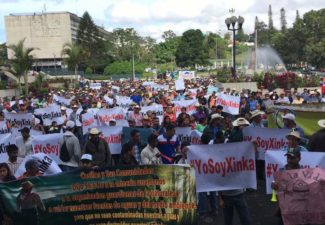
During 2012 and 2013, the Ministry of Energy and Mines granted licenses for the exploitation of the Escobal mining company without consulting indigenous people. Eight international organizations presented an amicus to support the communities.
Read MoreWhat should not be told: Tensions between the right to privacy and the access to information in cases of the voluntary termination of pregnancy
This document attempts to illustrate and analyze some of the tensions that exist between the right to privacy and other relevant constitutional rights and duties, such as the right to information and the duty to report in the context of the partial decriminalization of abortion in Colombia.
Read MoreMonitoring report on Resolution 1325 of the United Nations, Colombia 2017
he Sixth Monitoring Report of Resolution 1325 is a monitoring and implementation instrument, produced by Coalition 1325 since 2011. This report becomes important in the framework of the implementation of the Final Agreement between the Colombian Government and the FARC-EP, It follows up on Resolution 1325 and provides tools to assess the application of the gender approach and the participation of women in the implementation of the Agreement.
Read MorePrison or death. Professional secrecy as a fundamental guarantee in abortion cases.
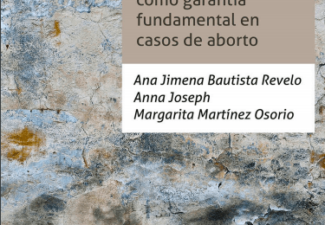
This book raises some legal reflections on the importance of professional secrecy by health professionals in the cases of women who come to health centers looking for help after having terminated their pregnancy clandestinely, endangering their health and even their life.
Read MoreGender focus in rural reform is important but insufficient
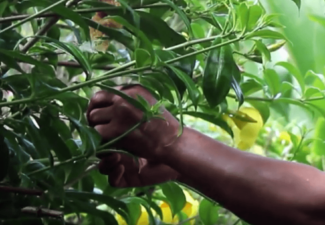
The Gender-in-Peace Working Group -GPAZ, a group of which Dejusticia is a member, took part in the Public Hearing convened by the Constitutional Court, within the framework of the informal constitutional review of Decree 902 of 2017 “to facilitate the implementation of the Comprehensive Rural Reform contemplated in the Final Land Agreement, specifically the procedure for access and formalization and the Land Fund.”
Read MoreThe national government geographically isolated Chocó

We intervened to support a tutela that requires the government to pave the
Quibdó-Medellín and Quibdó-Pereira roads: a promise that has historically been unfulfilled.
Dejusticia and Cimarrón intervened before the Constitutional Court to oppose racial discrimination in the workplace
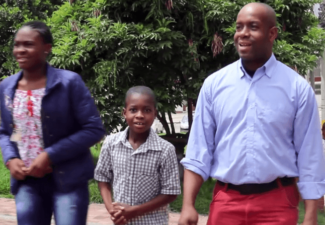
The Constitutional Court is about to end the legal struggle that Jonh Jak Becerra undertook six years ago, after being a victim of racial discrimination at work. Dejusticia and Cimarrón called for the protection of the rights to equality, non-discrimination, decent work and due process.
Read MoreDejusticia intervened in defense of the non-discrimination of immigrants due to ideological reasons

Dejusticia intervened before the Constitutional Court in the process of revision of the immigration and foreigners law of 1920, which considers communist and anarchist people as a danger to the stability of the public powers.
Read MoreDejusticia’s intervention on behalf of the right to health and food of the Vaupés indigenous people
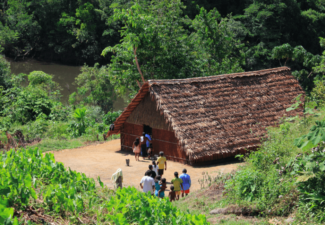
Dejusticia intervened before the Constitutional Court in support of a tutela filed on behalf of indigenous peoples in Vaupés for violations of their right to health.
Read MoreIntervention by Dejusticia and other organizations in favor of the right to food and water of the Wayúu children
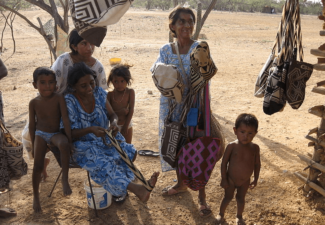
Dejusticia intervened before the Constitutional Court in support of a tutela on behalf of Wayúu children in La Guajira, for violations of their rights to food and water.
Read MoreNegotiating from the margins: The political participation of women in the peace processes of Colombia (1982-2016)
This book offers analyses and recommendations regarding the participation of women in peace processes so that peace agreements can become long-term social pacts that are both inclusive and committed to justice and equality.
Read MoreIntervention before the Inter-American Court of Human Rights in follow-up to the situation of the Sarayaku people of Ecuador
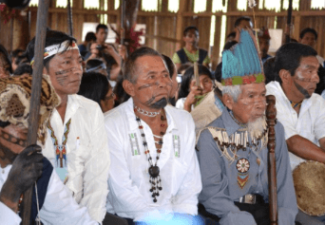
Dejusticia, EarthRights International and the Foundation for Due Process presented an intervention before the Inter-American Court of Human Rights in the follow-up that this court is giving to the situation of the Sarayaku people of Ecuador.
Read MoreIntervention in an advisory opinion before the Inter-American Court of Human Rights in relation to gender identity and economic rights of same-sex couples
On December 6, 2016, the Inter-American Court of Human Rights invited Dejusticia to present written comments, within the framework of an Advisory Opinion requested by the State of Costa Rica in May 2016.
Read MoreIntervention in the lawsuit against the 122 article of the criminal code related to abortion

The Constitutional Court’s Sentence C-355 of 2006 studied the constitutionality of article 122 of the criminal code, which typifies abortion and decriminalizes it in three circumstances.
Read MoreWomen, Drug Policy, and Imprisonment: A Guide for Reforming Policy in Colombia
This guide diagnoses the impact of deprivation of liberty on women imprisoned due to drug offenses, and formulates recommendations to mitigate and prevent the disproportionate effects of incarceration.
Read MoreWomen, Drug Policy, and Imprisonment
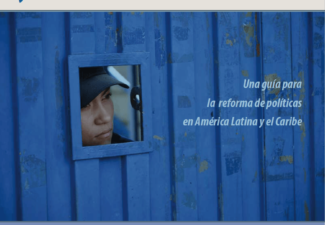
This guide, written by the Washington Office on Latin America, the International Drug Policy Consortium, the Inter-American Commission of Women, and Dejusticia, proposes drug policy reform to reduce the female prison population in the Americas.
Read MoreExercising the Right to Voluntary Interruption of Pregnancy in the Context of Armed Conflict
One of the central aims of this text is to overcome, in a first attempt, the lack of data regarding abortions and the armed conflict, and the obstacles women face when trying to access that procedure in those contexts.
Read More