


Against the “faggots”
“The faggots come and organize right in front of the Church…because being a faggot is…they are faggots, I am sorry but they are faggots…This is what they are.” These are the words that Pastor Miguel Arrázola used to speak of journalist Lucio Torres.
Read MoreIn the country side, life is much harder for women than for men
The progress made in the Peace Agreement on the recognition of the triple discrimination faced by rural women in Colombia cannot be just words and empty promises.
Read MorePolitical equality and women
On March 8 we celebrated woman’s day, which seeks to eradicate discrimination and gender violence. In the context of this celebration, it may be worth remembering that Colombia could have been a world vanguard in recognizing the political equality of women.
Read MorePandora’s box?
What if we knew who killed Jorge Eliécer Gaitan ? Or if we had access to the private papers of General Rojas Pinilla? And if we could find the documents that explain the systematicity in the deaths of the Patriotic Union?
Read MoreReasons and Non-reasons of the Post-Truth
Why do we believe clearly false news? Why do millions think climate change does not exist? Why is it that so many fathers and mothers do not immunize their children, believing the myths about the curses of the vaccines? How do voters around the world and all conditions choose populist rulers who lie in the light of day?
Read MoreRenewing Pathways to Peace in the Philippines: International Law and Amnesties
In 2016, I was attending a book launch in Manila pertaining to the Communist peace process in the Philippines, when the topic of amnesty came up. I realized that while there was scant awareness of the intricacies of the topic, amnesty was critical to the resolution of the conflict but it was also a potential landmine.
Read MoreThe moon of Ms. María
Moonlight, the winner of the Oscar for best film, and Miss Maria: the skirt of the mountain, the Colombian documentary by Rubén Mendoza, tell two necessary stories to better understand the lives of those who live and feel a sexuality other than the heterosexual one.
Read MoreWatching the small print in business and human rights
Imagine an innovative Alternative Dispute Resolution proposal for international individual claims, offered as a solution, in the context of Business and Human Rights, to the lack of access to forums of the home country of a Corporation.
Read MoreOvercoming skepticism
Peace with the FARC advances decisively, but does not generate enthusiasm or defeat the skepticism of large urban sectors
Read MoreDisarmament
The FARC’s transition from war to life without arms is ever closer. A few days ago, the FARC’s walk to the rural zones ended, and with it, the concentration of almost 7,000 people seeking to leave the war.
Read MoreThe pressures that healthy food activists face
Aggressive, illegal and corrupt tactics by the industries they oppose.
Read MoreCall for applications to the fifth Global Action-Research Workshop is now open
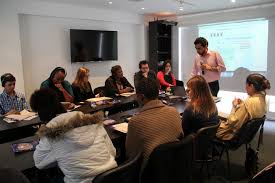
The theme of Dejusticia’s fifith annual Global Action-Research Workshop in 2017 will be reopening civil society spaces in the Global South. Dejusticia invites applications from young professionals from the Global South who are engaged in advocacy around this theme until the 31st of March
Read MoreFiscal policy is a tool to fight poverty: communicated to the IACHR
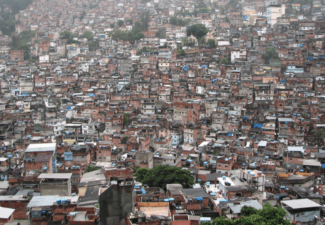
Dejusticia and other organizations presented this press release to the Inter-American Commission on Human Rights (IACHR), which offers some comments from civil society to the Commission’s preliminary report on Poverty and Human Rights in the Americas. The group of organizations welcome the initiative of the Commission to produce this report. We also emphasize the urgency of having normative standards that, at the inter-American level, serve as concrete parameters for analyzing the efforts of States to phase out poverty and extreme poverty.
Read MoreWhat is the balance of the constitutional reform project on the JEP?
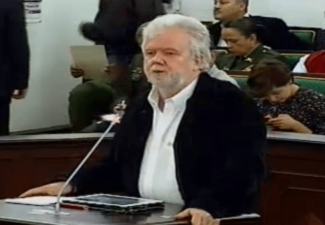
On February 14, Rodrigo Uprimny participated in the hearing convened by the First Committee of the Senate to discuss the constitutional reform project that creates the Special Jurisdiction for Peace (JEP) and regulates the special treatment of the Public Force. This reform is two debates from being approved by the Senate. Find here the document on which your intervention was based and which gives an overview of this project
Read MoreThe Integral System of Truth, Justice, Reparation and Non-Repetition, as the axis of the purposes of coexistence and peace: joint statement
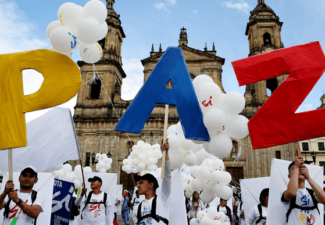
The civil society organizations and academics who subscribe to this document agree that we are facing a unique opportunity for the changes and adjustments that our democracy requires to definitively overcome the causes and consequences of the armed conflict and to guarantee the stability and durability of peace.
Read MoreFive points that concern us about the Special Jurisdiction for Peace and the special treatment of the public force
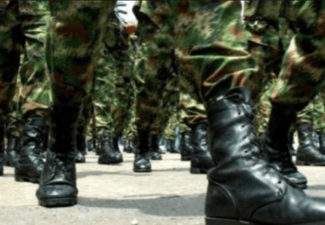
The House of Representatives has already approved the constitutional reform that creates the Special Peace Jurisdiction (JEP) and regulates the special treatment to the public force. This project, which will give life to the transitional justice mechanism to investigate and punish the crimes committed during the conflict, is two debates in the Senate from becoming a reality.
Read MoreJoint communiqué on the implementation of the Peace Agreement in the territories with coca and marijuana crops in Colombia
Dejusticia, the Transnational Institute of the Netherlands, WOLA and OCDI-Indepaz sign joint communiqué on anti-drug policy in the implementation of the peace agreement.
Read MorePress Release on the Draft Legislative Act of the Integral System of Truth, Justice, Reparation and Non-Repetition
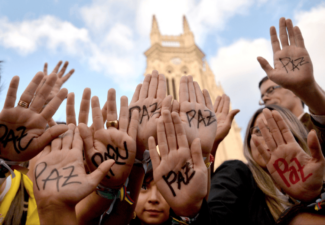
Academics and organizations, including Dejusticia, sign a communiqué to present analysis on the political convention and constitutional justification of the Draft Legislative Act 02 of 2016 Chamber, accumulated with the Draft Legislative Act 03 of 2016, which among other things creates the Comprehensive System of Truth, Justice, Reparation and Non-Repetition, in what includes the JEP and regulates the special criminal treatment for state agents.
“Democracy, justice and society: 10 years of Dejusticia research” is already available.
Edited by Mauricio García and María Adelaida Ceballos, this book collects the essential of the texts on justice produced by more than a dozen researchers during the last decade at Dejusticia.
Read MoreWhy certain parts of the peace accord should have legal force? Comments on the Senate’s draft bill 01 of 2016
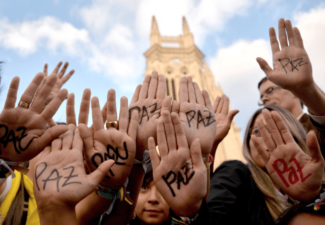
The following text presents some reflections to the public and the national Congress related to the constitutional reform project that seeks to give stability and judicial security to the peace accord signed between the Colombia government and the FARC on November 24th, 2016.
Read More