


The empty land déjà vu: The Constitutional Court can prevent us from going back a decade
“An important proportion of the large concessions of empty land between 1849-1872 was for cinchona bark extraction (…) Among the bark sellers that obtained concessions on empty land, there were people who had significant fortunes, and other that had been State high officials or had links to government. Among them were also investors and foreigners. Other export products had a similar weight such as tobacco, rubber, indigo plans, and coffee (…)”
Read MoreThe déjà vu of untitled lands: the Constitutional Court can prevent us from returning a century
“A large proportion of the untitled land concessions between 1849-1872 was for the extraction of cinchona bark (…) Among the merchants of the bark who obtained concessions were persons with significant fortunes, and others who had been high officials of the State or had ties to the government. Among them there were also foreign investors. Other export products such as tobacco, rubber, indigo and coffee had a similar fate (…)
Read MoreToxic Injustice
Toxis are everywhere. They are in pesticides that end up in our food and our water; they are in plastics, electronics, toys, clothes, decorative paints, mattresses and in the chemicals used in gold mining and fracking.
Read MoreZidres and peace: an oxymoron
With the dynamics of the Peace Accord, we have lost sight of the Constitutional Court’s decision on the Zidres Law.
Read MoreThe post-agreement or the next day
As many of us who voted
YES and others who voted NO, I was hopeful about a peace accord supported by
many. Not by all, because no war has ended in unanimity, but supported by
critics and defenders of the previous accord that had sought intermediate solutions
to complex dilemmas such as the sanctions for those responsible of serious
crimes.
Eviction of the peace camp broke regional, national, and international laws
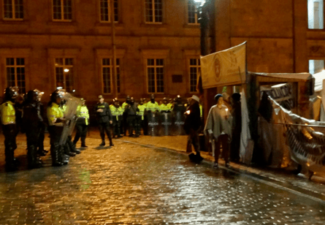
Our lawyer Anna Joseph
wrote a blog for the Huffington Post on the eviction of the peace camp in
Bogota, explaining the numerous national and international laws that were not
respected during the dismantlement. The blog was published in Spanish by Las 2
Orillas.
The new agreement with the FARC and the changes it proposes for drug policy
Drug policy in Colombia is subject, at least politically, to the margin of action provided by the Havana Agreement on illicit drugs. A few days ago Colombians found our about the new agreement, and the scope of the changes incorporated after the proposals of the No campaign.
Read MoreWhat Else Happened in the U.S. Last Tuesday?
Everyone is talking about Trump’s victory, but what else happened in the US on November 8th?
Read MoreAn agreement about the agreement
The new accord collected the main objections of the NO campaign given that in only one important topic (political eligibility) there were no significant changes. But the new text also maintained the essence and structure of the previous accord.
Read MoreNew agreement and disagreement
Accounting for the proportions, the equivalent to the construction of an avenue in a few days that later completely collapsed in Japan was for us the discussion and agreement of the peace accord in Havana.
Read MoreConstitutional Court Reaffirms Right to Health of Sexual Assault Survivors, Including Abortion

From today the government is obliged to guarantee, without need of a legal complaint, access to free, immediate, confidential, dignified, and holistic services.
Read MoreHuman Rights Organizations Demand Justice for Victims in Bagua and Fair Trials for those Detained
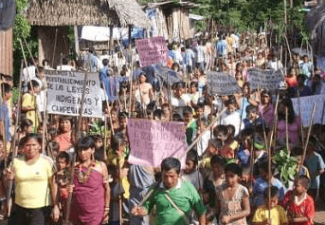
It’s the only way to guarantee the right to truth, justice, reparations for victims and their families.
Read MoreDejusticia and BHRRC present groundbreaking coal report at COP 21
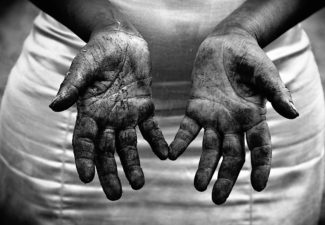
Coal industry expands in developing world, linked to abuses
Read MoreStatement on upcoming Venezuelan elections
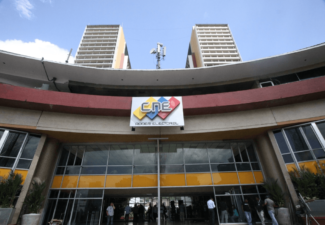
Call for a Robust UNASUR Electoral Mission to Venezuela.
Read MoreStatement on upcoming Venezuelan elections
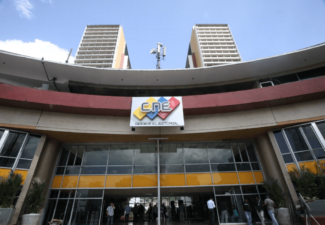
Call for a Robust UNASUR Electoral Mission to Venezuela.
Read MoreCoal Industry Expands in Developing World Linked to Abuses
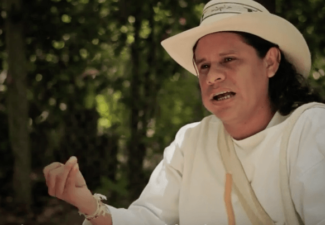
Report claims despite its decline in the West, coal industry is growing in the developing world widely associated with poverty and displacement.
Read MoreReport about the Coal Industry’s Human Rights Impacts
The research conducted by Dejusticia and BHRRC is now available to the public in www.coalinthesouth.org
Read MoreReport about the Administration of Criminal and Prison Policy
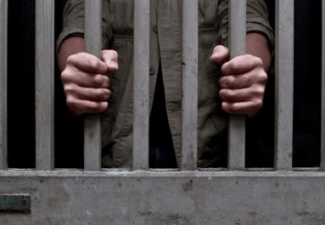
The Monitoring Commission, in which Dejusticia takes part, to the Colombian Constitutional Court’s T-388 Ruling presented its first report.
Read MoreDejusticia Turns 10!

Learn how Dejusticia came to be and what are some of our lines of work.
Read MoreAdoption Equality Is a Reality in Colombia!
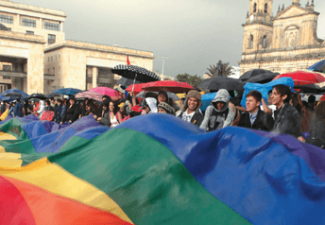
Constitutional Court advances the construction of an inclusive and diverse country.
Read More