


Where are these so-called monsters born?
We refuse to believe that a “normal” person can become a perpetrator capable of raping and brutally murdering a girl, impaling a woman or burning her body with excessive cruelty.
Read MoreAnticlimatic Trump
Trump’s electoral victory is anticlimatic in two ways, as I explained in another op-ed for Semana Sostenible.
Read MoreWho should pay more taxes in the post-conflict?
The government has strived to keep discussions on the Peace Accord and tax reform separate: it says that with or without an agreement, reform is needed to fill the huge fiscal gap left by falling oil and other natural resource prices.
Read MoreEntrenching the Guiding Principles on Business and Human Rights: Can the Inter-American System Help?
In the Case of the Kaliña and Lokono Peoples v. Suriname, decided in November, 2015, the Inter-American Court relied on the GPs and other international instruments in order to determine whether Suriname had violated its obligations under the American Convention. This event, while seemingly small, increases the legitimacy of the GPs as international norms.
Read MoreEntrenching the Guiding Principles on Business and Human Rights: Can the Inter-American System Help?
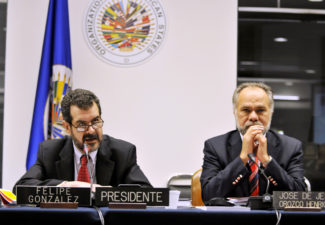
In effect, by using the Guiding Principles as a guide for the state of international law in the context of business and human rights, the Court turned the weak-kneed “should” language in Principle 18, into a requirement that the State was expected to have ensured.
Read MoreProgressive endorsement (II)
The solid endorsement of the new peace accord by Congress has been a very important step for the beginning of peace implementation.
Read MoreTo say without saying
Documentaries are a dialogue with reality, both in what they say and show as well as in what they keep silent.
Read MoreTaxes in the sugar republic
It makes sense that if an idea is criticized by both extremes, it must have something good. What peace could not do, the sugary drinks tax achieved. The tax is being debated in Congress and brought together senators like Iván Duque and Jorge Enrique Robledo, which resist with equal force the measure.
Read MoreThis is how the winter of the new inquisition has arrived
After ten years of spring for the rights of lesbians, gays, bisexuals, trans and intersex (LGBTI), we have entered the winter of the new inquisition. If something was reborn and consolidated itself during 2016 in Colombia, it was homophobia and transphobia.
Read MoreThe false publicity of sodas in Colombia
The strategy has associated sugary drinks with a healthy lifestyle, whether it has been through sponsoring sports teams or making them seem “cures” for hangovers.
Read MorePublication: Women, Drug Policy, and Imprisonment
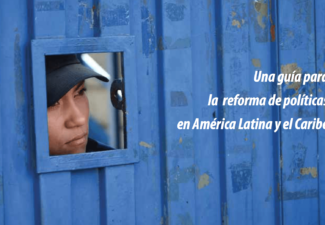
Jailed women rarely are really a threat to society.
Read MoreDejusticia and Racial Discrimination Watch Join Alliance for Diversity and Inclusion in Public Employment
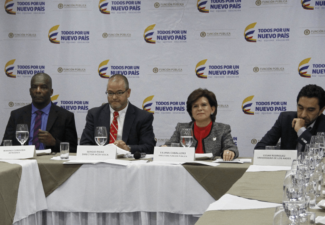
Dejusticia and Racial Discrimination Watch will join The Administrative Department of Public Employment and the ACDI VOCA.
Read MoreOpen Call for Altocontraste Photography Contest
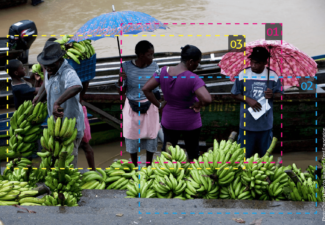
Commemorating Racial Discrimination Watch’s 10 years. Submissions welcome from both professional and amateur photographers. Open until May 6th, 2016.
Read MoreDejusticia’s Director Appears before the Inter-American Court as Expert in Modern Slavery Case in Brazil
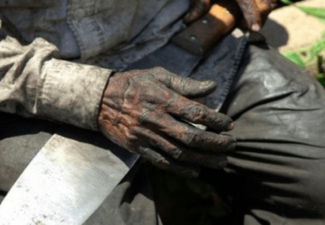
This Thursday February 19th César Rodríguez Garavito, Dejusticia’s executive director, will intervene as an expert in the first case that considers forced labor in the Americas, regarding a complaint about slave work in Brazil.
Read MoreIs a Plebiscite or a National Constituent Assembly the Right, Viable, and Convenient Mechanism to Put the Peace Agreement to a Popular Vote?

Rodrigo Uprimny’s intervention in the National Forum “End of the Conflict” and “Popular Vote Mechanisms, Implementation, and Verification”.
Read MoreWhy Are the Regulations of the New National Development Plan Regarding Paramos and Development Projects of National Strategic Interest Unconstitutional?

With six votes in favor and two against, the Constitutional Court ruled that the article of the National Development Plan that permits mining in paramos is unconstitutional.
Moreover, with a 5-3 vote, the Court decided that victims’ rights to land restitution supercedes Development Projects of National Strategic Interest.
In August 2015 Dejusticia intervened in this litigation arguing these measures’ unconstitutionality.
Read MoreWhat Should Judges Do When the Right to an Abortion Is Infringed?
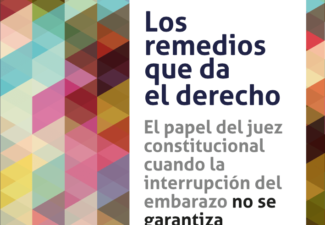
Dejusticia recently published the book “Legal Remedies. The Role of Constitutional Judges when Abortion Is Not Guaranteed” written by the lawyers Diana Guzmán and Nina Chaparro.
Read MoreAre Popular Consultations about the Environment and Mining Viable in Ibagué?

Regarding Ibagué mayor’s intention, Dejusticia researchers discuss the legality of these mechanisms in Colombia.
Read MoreDejusticia’s Citizen Interventions and Lawsuits in 2015

For Dejusticia, 2015 was an important year. These were some of our most prominent lawsuits.
Read MoreHuman Rights Organizations Demand Justice for the Victims of Bagua and a Fair Trial for the Defendants
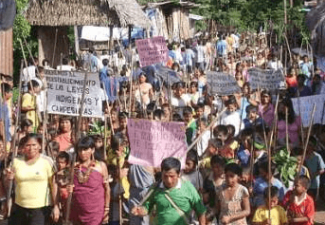
In the coming days, it is expected that a judgment will be rendered in the so-called “Devil’s Curve” trial against 53 people.
Read More