


LATEST IN COLOMBIA

News
New comparative constitutional scholarship on enforcing second generation rights
By Dejusticia |
The renowned specialist in comparative constitutional law at Harvard, Mark Tushnet, acknowledged the article written by Cesar Rodriguez, “Beyond the Courtroom: The Impact of Judicial Activism on Socioeconomic Rights in Latin America” as one of the best studies of constitutional law.
XS women, W women
By César Rodríguez Garavito |
Much is said about the beauty of Colombian women. But nothing is mentioned about the personal and social cost of the lined curves, the necklines, the low waist jeans: the street turned into fashion show.
Sir or young gentleman
By Dejusticia |
Could it be that the time has arrived in Colombia to start the debate and eliminate the unnecessary and discriminatory classification of mrs and miss?
Reparation for human rights violations
By Rodrigo Uprimny Yepes |
Rodrigo Uprimny Yepes, executive director of the Center for the Study of Law, Justice, and Society, discusses the progress and challenges of reparation in cases of human rights violations.
Expert analyzes common crime victims reparation
By Rodrigo Uprimny Yepes |
In international law of individual rights there is no State obligation to repair victims of common crime, noted the expert Rodrigo Uprimny Yepes.
OFF Corruption. III Program
By Vivian Newman Pont |
OFF Corruption is a program made by the Ocasa Corporation Ocasa in partnership with the World Bank Institute, the British Council, and Globalchangemakers.
See Vivian Newman’s intervention on the right of access to public information.

I don’t care if they call me a dictator.
By Dejusticia |
During his six years in office, Bukele has consolidated his power, paving the way to become the dictator he appears to be announcing himself as.
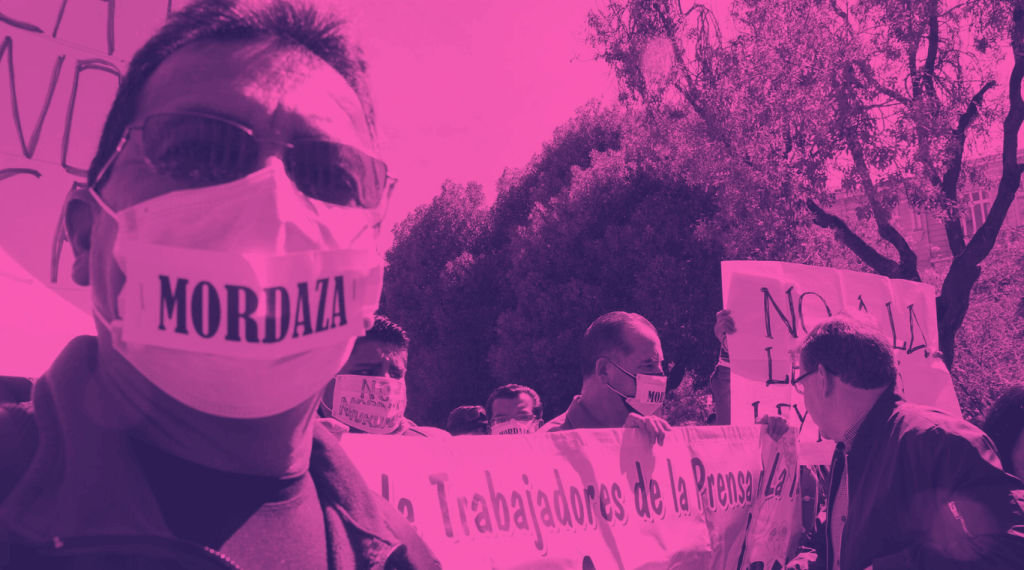
NGOs at risk of global extinction
By Dejusticia |
How can non-governmental organizations transform themselves? What were they like when they did not depend on international funding?

Colombia: going back to the original balance of justice
By Paola Molano Ayala |
There is a crucial aspect of Colombia’s transitional justice model that is worrying: the current inability of the Special Jurisdiction for Peace (JEP) to offer legal security to those who participated in the conflict, including in human rights violations, and have not been identified as among the most responsible. And making sure they also contribute to the satisfaction of the rights of the victims. The JEP must avoid keep moving towards maximalist approaches and go back to the balance in the Peace Agreement.

Elementa DD.HH. y Dejusticia presentamos un amicus en el proceso que adelanta el Asocazul y Cajar por afectaciones derivadas de aspersiones con glifosato
By Dejusticia |
El glifosato causó daños irreversibles a los campesinos del sur de Bolívar y el Estado debe repararlos. Así lo argumentamos en una intervención ante el Consejo de Estado.
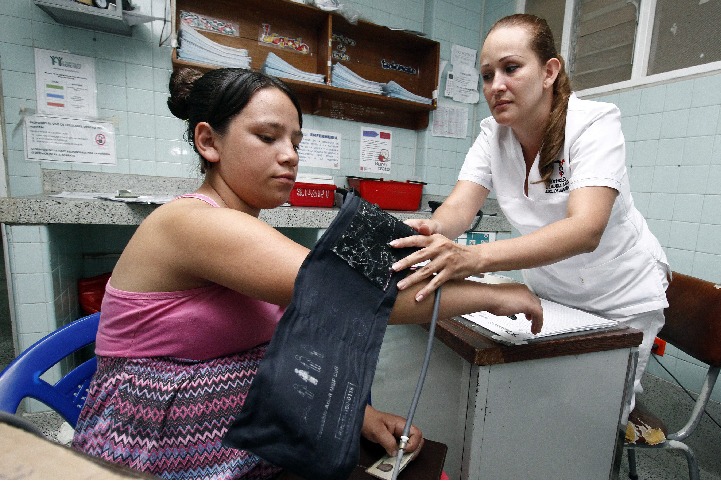
Colombia must obtain resources to guarantee the right to health of Venezuelan migrants: Constitutional Court
By Santiago Ardila Sierra |
The high court protected the right to health of two undocumented Venezuelans and requested the government to advance as “expeditiously and effectively as possible” towards the full realization of migrants’ right to health, regardless of their immigration status. Dejusticia intervened in the case.
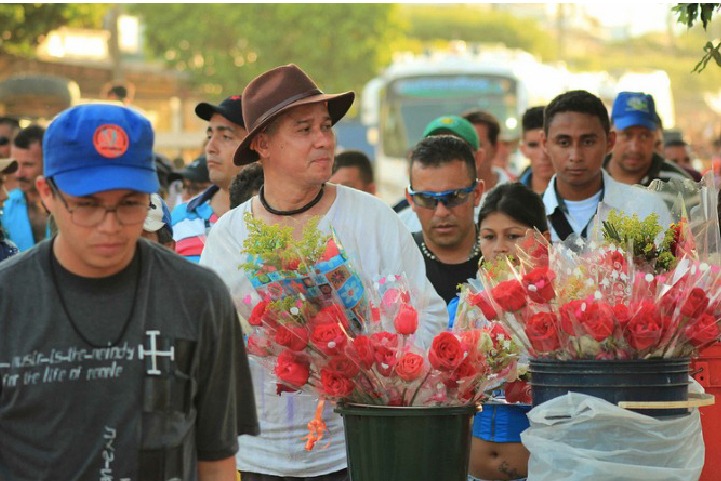
Dejusticia intervenes in defense of Venezuelan migrants’ right to health
By Dejusticia |
The Constitutional Court invited Dejusticia to present their legal opinion on two cases concerning the right to health of people coming from Venezuela.
The long wait of the JEP ahead of the decisions of the Constitutional Court and Congress
By Dejusticia |
In the last six months civil society organizations, such as Dejusticia, have called on both institutions to give free rein to the norms that consolidate the Special Jurisdiction for Peace.
Case of indigenous people of Bojayá who could not vote in the plebiscite is about to reach the Court
By Mauricio Albarracín |
Through a tutela, a group of Emberá claimed their rights to political participation and equality, because their economic situation and how far they live made it impossible for them to move to endorse the Peace Agreement. Dejusticia, human rights organizations, and indigenous leaders asked the High Court to review the case.
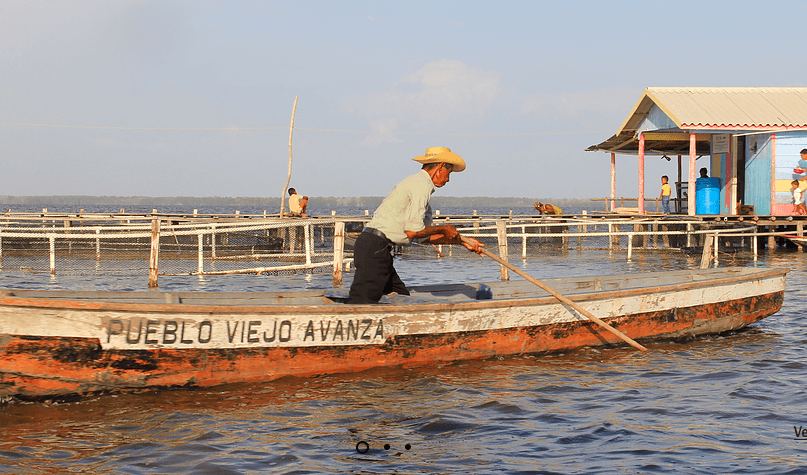
The Constitutional Court has the last word to save the Ciénaga Grande of Santa Marta
By César Rodríguez Garavito |
The environmental crisis of this ecosystem led fishermen to pursue a legal battle that reached the High Court. In this intervention, we support their demand that environmental authorities take urgent measures to stop the disaster and thus, protect their rights to healthy environment, dignified life and work.
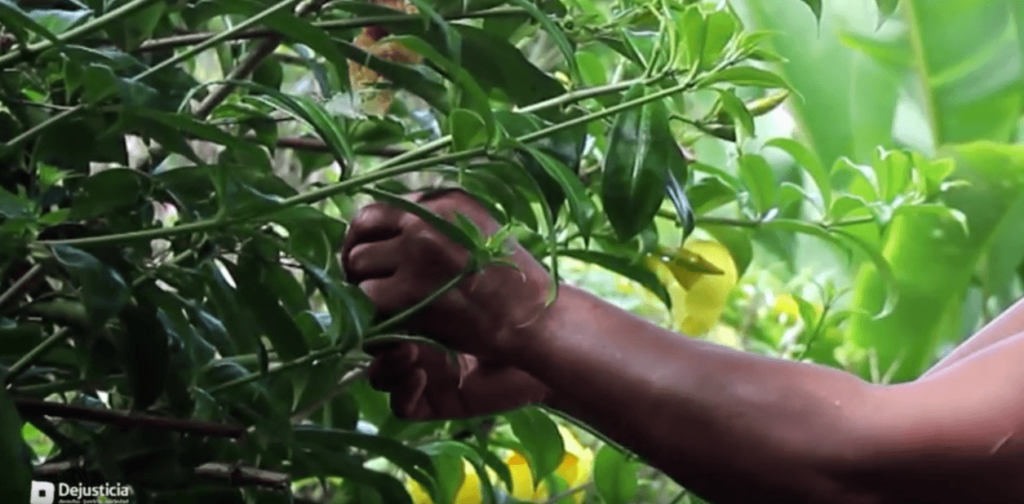
Gender focus in rural reform is important but insufficient
By Ana Jimena Bautista |
The Gender-in-Peace Working Group -GPAZ, a group of which Dejusticia is a member, took part in the Public Hearing convened by the Constitutional Court, within the framework of the informal constitutional review of Decree 902 of 2017 “to facilitate the implementation of the Comprehensive Rural Reform contemplated in the Final Land Agreement, specifically the procedure for access and formalization and the Land Fund.”
Stories
From The Territory
We travel with 20 indigenous activists of the world to the heart of the Sierra Nevada de Santa Marta. Listen to this story about the Kankuama Resistance.
Dejusticia's
Documentaries
Discover some of the documentary pieces that we have made. Indigenous resistance, migration of Venezuelans to Colombia and stories of women coca growers, are some of our topics of interest.
