


Area-Global South & North Collaborations (Internationalization)
We Don’t Understand Feminism
Blu Radio, Héctor Abad and Mauricio Pombo show us that in reality we don’t understand feminism.
Read MoreThe National Museum of Memory: A Moral Duty
To read this post in English click here.
“This is a permanent process of creating memory. These are the pieces of brick that we brought for the construction of this, our memory This painful clay will be transformed, and we will be strengthened in the unity of our dreams” (Reference to Salón del Nunca Más, Granada, Antioquia)
Read MoreA World with Hunger
The problem of world hunger is not due to scarcity of food, but rather because of inequality accessing it.
Read MoreThe Modern Tyrant’s Manual
Tyranny is not what it used to be.
Read MoreU.S. Gun Control Policy Is Not Only Domestic

The gun control debate in the U.S. fails to take into account the transnational effects of its gun policies through illicit firearms trafficking.
Read MoreThe Businessmen of the Dictatorship Is the Weakest Point of Justice in Argentina
Evil, that condition that doesn’t usually have an adjective, has been given one in South America once the atrocities of the Argentine military dictatorship were uncovered.
Read MoreArgentina and Colombia Go after Economic Actors in Contexts of Violence
In recent weeks there have been two interesting development in the movement to demand responsibility from economic actors that support serious human rights violations in contexts of conflict and repression, such as the case of Chiquita Brands’ support to Colombian paramilitaries, or Argentinean companies that financed and supported the military regime.
The Coal Industry Has to End if We Want to Meet the Goal of Global Warming
We want climate justice now!
Read MoreThis is How Slavery Works in the 21st Century
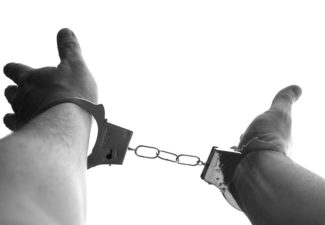
The International Labor Organization (ILO) estimates that there are approximately 20.9 million slaves, of which 26 percent are children. This is more enslaved people than during any other point in history.
Read MoreCoal Is Not in Decline; It Is Thriving in the South
The Global North may be enforcing strict limitations on coal to curb their emissions at home, but somebody else is eating it up.
The Role of the Global South in the Future of Human Rights

Dejusticia asked participants of the First Global Action-Research Workshop what role the Global South will play in the human rights movement.
Read MoreYoung Human Rights Activists Reflect on their Work
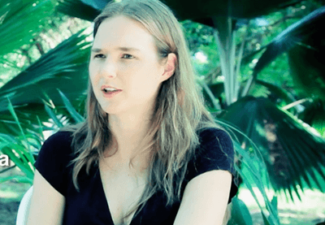
Dejusticia asked participants of the First Global Action-Research Workshop to reflect on their human rights work.
Read MoreMain Difficulties for Human Rights Advocates in the Global South
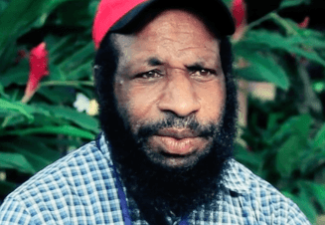
Dejusticia asked Global Action-Research Workshop participants what the biggest difficulties are for human rights advocates.
Read MoreThe Tea Party without a State
An article in the New Yorker from last weeks tells the story of how members of the Tea Party – the radical branch of the American Republican Party – began to doubt their decision to block the passage of the federal budget as a way to oppose the implementation of Obamacare, when they saw that this lead to fewer police officers on duty and the closure of the World War II monument.
Read MoreScience, Higgs boson and Neptune
The discovery of the Higgs particle, awarded the Nobel Price in Physics this year, evokes another discovery made over 150 years ago: the discovery of Neptune. Both discoveries reflect an ethic of collaborative work in science that should inspire us in other fields.
Read MoreSleeping in a burning bed
The new report from the Intergovernmental panel on climate change (IPCC) nudes the existential dilemma of humanity: we know that we are destroying the planet, but we are still working on it.
Read MoreVenezuela and the Inter American Court: A farewell or a long goodbye
The fifth floor of the building of the Organization of American States (OAS) harbors the Rómulo Gallegos library, named this way as a homage to the first president of the Inter American Commission of Human Rights. This is a meaningful acknowledgment to the role that Venezuela once assumed in the hemispheric system of human rights. Venezuela bore the responsibility of this role in an era that was decades before both the adoption of the American Convention of Human Rights and the establishment of a Court to protect the Convention.
Read MoreCompanies and human rights
How does Chiquita respond in Colombia for the victims of illegal armed groups that the multinational would helped to finance?
Read MoreThe plane of Evo in the new air of the relation between Europe and Latin America
The recent rebellion of the Latin American countries over the incident involving Evo Morales’s plane is symbolically complex; it could mean a change in power relations but it also runs the risk of obscuring national human rights issues.
Read MoreThe Wiwa People and the Rancheria Dam
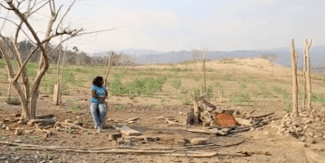
In this mini documentary, Dejusticia and the Wiwa people describe the effects of the construction of a dam without prior consulation on the affected communities. It shows the devastating affects of the dam on the lives and territority of the Wiwa People.
Read More