


Area-Global South & North Collaborations (Internationalization)
A Human Rights Based Approach to Climate Change in Latin America
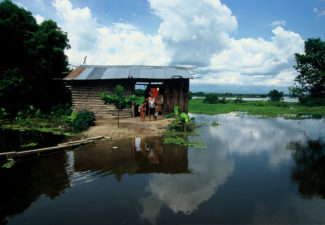
We cannot forget to humanize climate change and remember that those who have contributed to the least to the problem are and will continue to be the most affected.
Read MoreWhy Do So Many Latin American Women Still Have Unsafe Abortions?
Latin America is an unfortunate example of this trend, as 95 percent of all abortions performed in 2008 were unsafe, granting it the dubious distinction of the region with the highest unsafe abortion rate in the world, with 31 unsafe abortions per 1000 women.
Read MoreThis Is How Slavery Works in the Twenty-First Century
Contrary to popular belief, slavery did not end in the nineteenth century, not even at the beginning of the twentieth century.
Read MoreNot for Sale
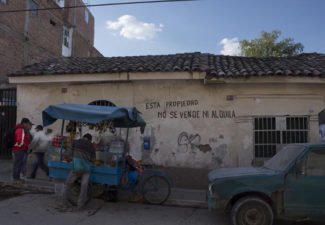
And it meant that the “Not for Sale” signs pointed to something more than the constant potential for theft. They also pointed to the structural problem of land distribution and access to property in the country.
Read MoreThe Santos Administration in Favor of Civil Liberties
This November will be remembered as a liberal month.
Read MoreThe Cigarras
The peace process treats gendered violence in a differentiated manner because it has been invisibilized like no other offense.
Read MoreThe Global Village
In 1962 the Canadian sociologist Marshal McLuhan spoke of “the global village” to suggest that, thanks to advances in communications technology, the world had become smaller and more managable.
Read MoreThose without Rights
The prison population has had its political rights and liberty curtailed legally, but the rest of its rights are illegally violated.
Read MoreColombia’s Environmental Near-sightedness and Clumsiness in ECLAC
In contrast to the majority of countries that want a treaty that guarantees the right to the free access to information in Latin America, Colombia has done everything in its power to make the instrument simply a declaraton of principles without teeth.
Read MoreEconomic Thinking, Economists’ Education and Human Rights

Economic thinking and education must have an approach that protects what really matters: human rights
Read MoreThe meaning of Sumak Kawsay

Dejusticia asks members of the Sarayaku People what “sumak kawsay” means.
Read MoreWhat is most important for the Sarayaku People?
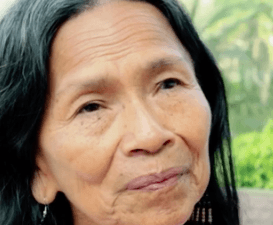
Dejusticia asks members of the Sarayaku People what is most important to them.
Read MoreSumak Kawsay: The Sarayaku Case (long version)
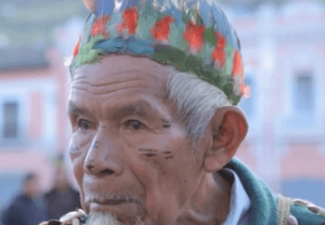
In this documentary, Dejusticia and Canal Justicia follow one of the most important cases on environmental conflicts and indigenous rights before the Inter-American Human Rights Court in Latin America: Sarayaku v. Ecuador.
Read MoreSumak Kawsay: The Sarayaku Case (short version)
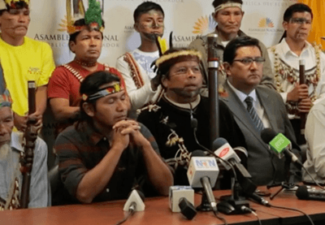
The Sarayaku vs. Ecuador case began in 2003, when the Poeple of Sarayaku filed a complaint with the Inter-American Commission on Human Rights. They accused the Ecuadorian government of authorizing a petroleum company to explore for petroleum on their indigenous territory in the Amazon, in violation of their right to prior consultation.
Read MoreLessons from the Sarayaku People for Other Indigenous Peoples

Dejusticia asks members of the Sarayaku People what lessons they can share with other indigenous people of the region.
Read MoreUruguay: the conspiracy of the reasonable people
In his poem “Los Conjurados (The Conspirators),” Borges pays homage to the birth of the Confederation of Switzerland. The poem says that in 1.291 “in the center of Europe, people were conspiring,” because “men of different lineages” made “the strange resolution of being reasonable”.
Read MoreWhat the Kichwa People of Sarayaku Leave Behind

What do the Kichwa People of Sarayaku leave behind?
Read MoreAgainst reductionist visions of human rights
César Rodríguez Garavito answers Stephen Hopgood and Aryeh Neier, criticizing both sides of the debate due to a very simplistic point of view of the actors, the content and the strategies of the international human rights movement.
Read MoreHuman Rights: one step forward, one step back
Government Santos has given human rights the attention that its predecessor had neglected them.
Read MoreFrom Rio to Catatumbo there are many differences
In his Op-Ed in El Espectador, César Rodríguez Garavito points out some lessons about the “Brazilian spring”, which according to him, could be useful for the Colombian case. But Rodriguez’s optimism and intense emotion contrast with the public perception regarding the protests led by farmers in Catatumbo.
Read More