


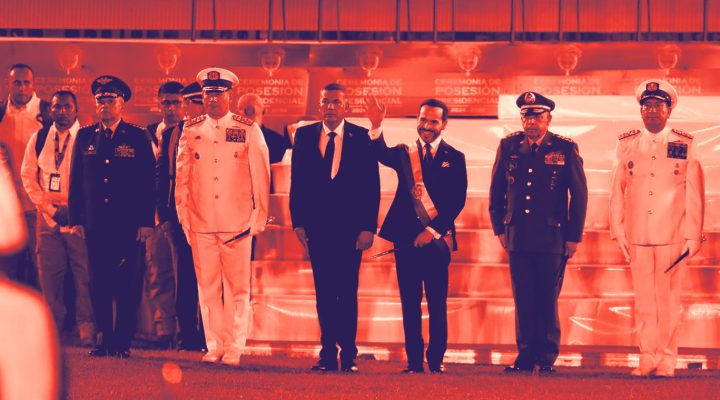
Colombia Changes Course: How Might the New Government Redefine Colombian Foreign Policy and the Political Balance in Latin America?
By Christy Crouse, Sofia Forero Alba | | Abelardo De La Espriella, Colombia-U.S. Relations, Colombian Foreign Policy, Latin American Geopolitics, Omar Bula Escobar, Political Transition in Colombia
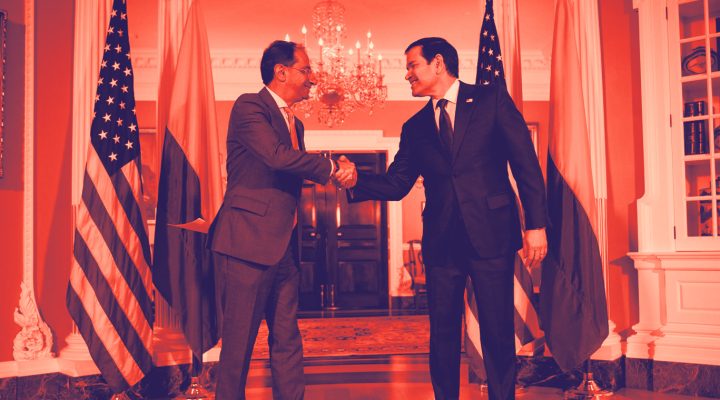
Colombia’s Foreign Policy After Its Change of Course
By Christy Crouse | | 2026 Colombian Elections, Abelardo De La Espriella, América Latina, Colombia, Colombian Foreign Policy, Democracy and human rights, Latin American Politics, Política Exterior, Right-Wing Populism
News
Search in News
Colombia Changes Course: How Might the New Government Redefine Colombian Foreign Policy and the Political Balance in Latin America?
By Christy Crouse, Sofia Forero Alba | | Abelardo De La Espriella, Colombia-U.S. Relations, Colombian Foreign Policy, Latin American Geopolitics, Omar Bula Escobar, Political Transition in Colombia
Colombia’s Foreign Policy After Its Change of Course
By Christy Crouse | | 2026 Colombian Elections, Abelardo De La Espriella, América Latina, Colombia, Colombian Foreign Policy, Democracy and human rights, Latin American Politics, Política Exterior, Right-Wing Populism

Defend the ICC: INCLO national human rights organizations call on states to protect international rule of law against United States attack
By Dejusticia | | Human Rights, ICC, International Criminal Court, International Justice, multilateralism, United States

Defending human rights around the world requires funding
By Mariana Matamoros | | CIDH, Derechos Humanos, Desigualdad, Global South, IACHR, Inequality, Justicia Fiscal, Public spending, Sustainable development., Tax cooperation, Tax justice, Tax policy

Who should collect taxes when services cross borders?
By Mariana Matamoros | | Digital economy, Digital taxes, International taxation, Justicia Fiscal, Sustainable development., Tax justice, Tributación internacional, United Nations

From Taxes to Rights
By Mariana Matamoros | | CIDH, Fiscal justice, fiscal policy, Human Rights, IACHR, Justicia Fiscal, Public budget, Public investment, Social inequality., Tax policy, taxes
Search in Opinion
The Beginning of All Things
By Mauricio García Villegas | | globalización, Medio Ambiente, Medio Ambiente, Recursos naturales
Thales of Miletus was the first philosopher of Classical Greece that tried to find the origin of everything; something that could explain what exists. This origin, which he called Arche, he found in water. Everything is made up of water, said Thales, "the earth rests on water, like an island." His disciples later added three elements to this explanation: earth, air, and fire.
Séptimo Día’s Indigenous People
By César Rodríguez-Garavito (Retired in 2019) | | Cultural Rights, Cultural Rights, Derechos culturales, Derechos sociales
The television program Séptimo Día found a curious way of celebrating the International Day of the World's Indigenous Peoples. Over three Sundays, through specific denunciations, it aired generalized conclusions so tenuous that it gave the impresion to its thousands of viewers that corruption, alcoholism, sexual violence, guerrilla infiltration, and land grabbing are the rule among indigineous peoples.
Prohibitionists and Gangsters: Two Faces of the Same Coin
By Sergio Chaparro Hernández | | Estado de Derecho, Estado de Derecho
"Colombia has an alcohol market, but there is no Pablo Escobar of beer or vodka. And it is not because vodka is better than cocaine, but rather because it is legal," explains Johann Hari.
Stories
FromTheTerritory
We travel with 20 indigenous activists of the world to the heart of the Sierra Nevada de Santa Marta. Listen to this story about the Kankuama Resistance.
Dejusticia's
Documentaries
Discover some of the documentary pieces that we have made. Indigenous resistance, migration of Venezuelans to Colombia and stories of women coca growers, are some of our topics of interest.
