


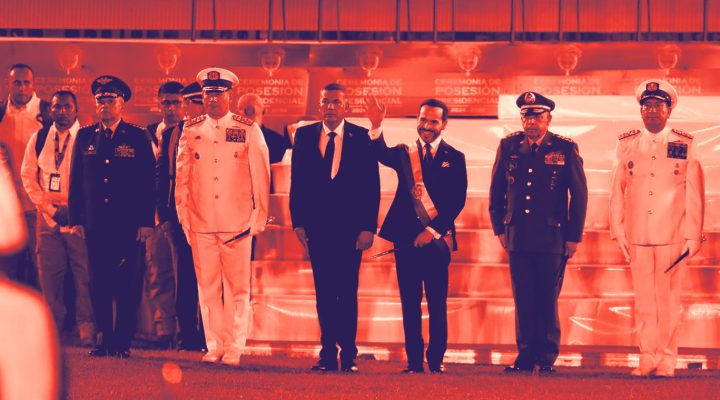
Colombia Changes Course: How Might the New Government Redefine Colombian Foreign Policy and the Political Balance in Latin America?
The transition from the Gustavo Petro administration to that of Abelardo de la Espriella marks a redefinition of Colombia’s development model. This analysis explores the diplomatic shift toward the U.S. and Israel, the move away from multilateral agendas, and the democratic implications of the reconfiguration of Latin America.
By Christy Crouse, Sofia Forero Alba | | Abelardo De La Espriella, Colombia-U.S. Relations, Colombian Foreign Policy, Latin American Geopolitics, Omar Bula Escobar, Political Transition in Colombia
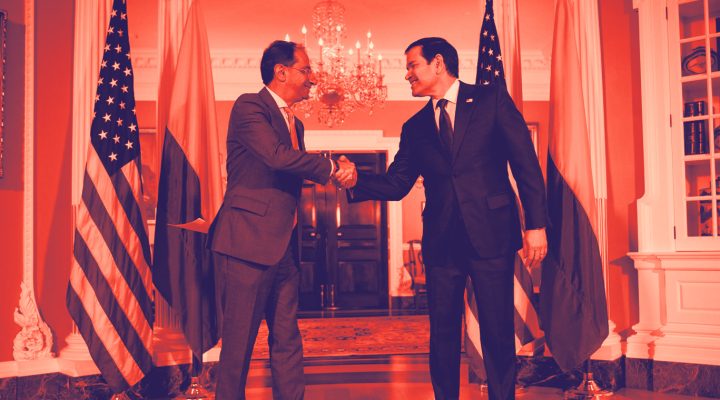
Colombia’s Foreign Policy After Its Change of Course
Abelardo de la Espriella's victory marks a change of course in Colombia. We analyze how his administration may redefine foreign policy, multilateralism, and democratic balances in Latin America in the face of human rights challenges.
By Christy Crouse | | 2026 Colombian Elections, Abelardo De La Espriella, América Latina, Colombia, Colombian Foreign Policy, Democracy and human rights, Latin American Politics, Política Exterior, Right-Wing Populism
News
Search in News
Letter bombs?
By Rodrigo Uprimny Yepes |
LA REVISTA SEMANA CALIFICÓ COmo “cartas bombas”, por su posible impacto en la inminente sentencia de la Corte Constitucional sobre el marco jurídico para la paz, las dos comunicaciones que ...
Lea más The farce of public land
By María Paula Saffon Sanín |
Muchos individuoos dividían las tierras en pequeños segmentos para que sus amigos y familiares las reclamaran al Gobierno de conformidad con lo permitido por la ley. Una vez adjudicadas, las ...
Lea más Drugs and hypocrisy of the State
By José Rafael Espinosa Restrepo |
Mucho se ha dicho sobre lo problemática que ha resultado la “guerra contra las drogas”. No solo no ha reducido el consumo, sino que además ha generado daños gravísimos, como ...
Lea más Gold, rocks and consultations
By César Rodríguez-Garavito (Retired in 2019) |
En Piedras, Tolima, se juega el futuro de la democracia participativa y el medio ambiente en Colombia. Allí tuvo lugar la primera consulta popular sobre un proyecto minero (La Colosa), ...
Lea más Minorities, threshold and oposition
By Rodrigo Uprimny Yepes |
La democracia supone que las mayorías gobiernen pero también que las minorías políticas sean protegidas para que eventualmente puedan llegar al poder y exista así la alternancia. Es pues importante ...
Lea más Would you eat an in vitro hamburger?
By Sebastián Villamizar Santamaría |
Se necesitan más pruebas, más financiación y, sobre todo para Colombia, una infraestructura científica y tecnológica que permita hacer algo similar. Cada vez más son los restaurantes que tienen una ...
Lea más Search in Opinion
I don’t care if they call me a dictator.
By Nina Chaparro González | | bukele, Democracy, Dictadura, El Salvador, Program for strengthening - Others
During his six years in office, Bukele has consolidated his power, paving the way to become the dictator he appears to be announcing himself as.
Lea más NGOs at risk of global extinction
By Nina Chaparro González | | financiación internacional, NGO, Program for strengthening - Others
How can non-governmental organizations transform themselves? What were they like when they did not depend on international funding?
Lea más Colombia: going back to the original balance of justice
By Paola Molano Ayala | | gorillaz, JEP, Transitional Justice, Victims
There is a crucial aspect of Colombia’s transitional justice model that is worrying: the current inability of the Special Jurisdiction for Peace (JEP) to offer legal security to those who participated in the conflict, including in human rights violations, and have not been identified as among the most responsible. And making sure they also contribute to the satisfaction of the rights of the victims. The JEP must avoid keep moving towards maximalist approaches and go back to the balance in the Peace Agreement.
Lea más
Stories
FromTheTerritory
We travel with 20 indigenous activists of the world to the heart of the Sierra Nevada de Santa Marta. Listen to this story about the Kankuama Resistance.
Dejusticia's
Documentaries
Discover some of the documentary pieces that we have made. Indigenous resistance, migration of Venezuelans to Colombia and stories of women coca growers, are some of our topics of interest.
