


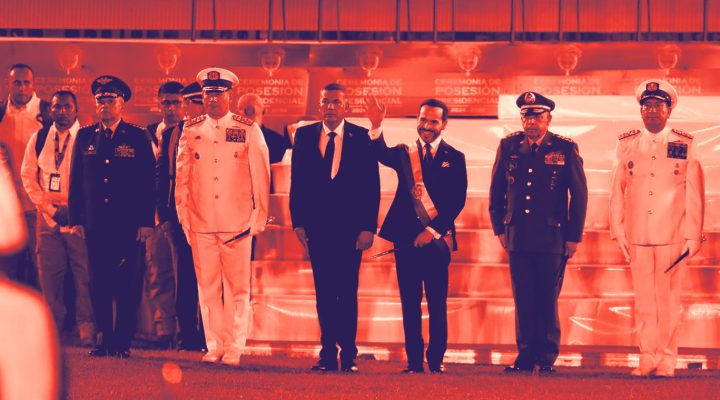
Colombia Changes Course: How Might the New Government Redefine Colombian Foreign Policy and the Political Balance in Latin America?
The transition from the Gustavo Petro administration to that of Abelardo de la Espriella marks a redefinition of Colombia’s development model. This analysis explores the diplomatic shift toward the U.S. and Israel, the move away from multilateral agendas, and the democratic implications of the reconfiguration of Latin America.
By Christy Crouse, Sofia Forero Alba | | Abelardo De La Espriella, Colombia-U.S. Relations, Colombian Foreign Policy, Latin American Geopolitics, Omar Bula Escobar, Political Transition in Colombia

Colombia’s Foreign Policy After Its Change of Course
Abelardo de la Espriella's victory marks a change of course in Colombia. We analyze how his administration may redefine foreign policy, multilateralism, and democratic balances in Latin America in the face of human rights challenges.
By Christy Crouse | | 2026 Colombian Elections, Abelardo De La Espriella, América Latina, Colombia, Colombian Foreign Policy, Democracy and human rights, Latin American Politics, Política Exterior, Right-Wing Populism
News
Search in News
Land restitution: is it a trap?
By Aura Bolívar Jaime |
Desde la expedición de la ley de víctimas se han desarrollado amplios debates en relación con la política de restitución. El más reciente surgió a propósito de la instalación formal ...
Lea más Interbolsa and the regulations’s sins
By César Rodríguez-Garavito (Retired in 2019) |
Por azares del oficio de sociólogo, hace unos años terminé estudiando el mundo de la bolsa. Bastaron las primeras entrevistas con elegantes comisionistas e impecables funcionarios de ésta para advertir ...
Lea más Recreational cannabis, will it fall or will ir be regulated?
By Dejusticia |
La legalización del porte y consumo de mariguana en Colorado y Washington, como lo han señalado algunos analistas, puede ser el comienzo del fin del prohibicionismo, o al menos una ...
Lea más The non reasons for the extended the military jurisdiction (I)
By Rodrigo Uprimny Yepes |
Ninguna de las razones invocadas para ampliar el fuero militar resulta convincente o aceptable. Como es conocido, un proyecto de reforma constitucional, que está en séptimo debate y que ha ...
Lea más The still pending answers of the Cerrejón
By César Rodríguez-Garavito (Retired in 2019) |
La súbita decisión de cerrejón de suspender los estudios para desviar el río Ranchería y explotar carbón en su lecho dejó más preguntas que respuestas. ¿Por qué justo en el ...
Lea más Human Rights: New Threats in the Hemisphere
By Rodrigo Uprimny Yepes, Nelson Camilo Sánchez León |
In her novel, In the Time of the Butterflies, Julia Álvarez describes an international mission to visit the Mirabal sisters when two of the four women were in jail for ...
Lea más Search in Opinion
I don’t care if they call me a dictator.
By Nina Chaparro González | | bukele, Democracy, Dictadura, El Salvador, Program for strengthening - Others
During his six years in office, Bukele has consolidated his power, paving the way to become the dictator he appears to be announcing himself as.
Lea más NGOs at risk of global extinction
By Nina Chaparro González | | financiación internacional, NGO, Program for strengthening - Others
How can non-governmental organizations transform themselves? What were they like when they did not depend on international funding?
Lea más Colombia: going back to the original balance of justice
By Paola Molano Ayala | | gorillaz, JEP, Transitional Justice, Victims
There is a crucial aspect of Colombia’s transitional justice model that is worrying: the current inability of the Special Jurisdiction for Peace (JEP) to offer legal security to those who participated in the conflict, including in human rights violations, and have not been identified as among the most responsible. And making sure they also contribute to the satisfaction of the rights of the victims. The JEP must avoid keep moving towards maximalist approaches and go back to the balance in the Peace Agreement.
Lea más
Stories
FromTheTerritory
We travel with 20 indigenous activists of the world to the heart of the Sierra Nevada de Santa Marta. Listen to this story about the Kankuama Resistance.
Dejusticia's
Documentaries
Discover some of the documentary pieces that we have made. Indigenous resistance, migration of Venezuelans to Colombia and stories of women coca growers, are some of our topics of interest.
