


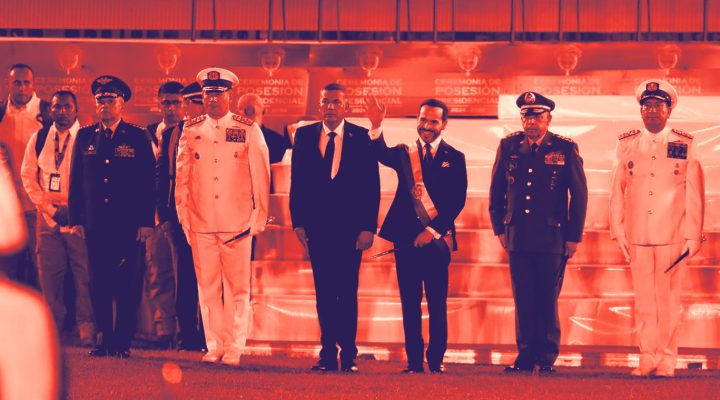
Colombia Changes Course: How Might the New Government Redefine Colombian Foreign Policy and the Political Balance in Latin America?
The transition from the Gustavo Petro administration to that of Abelardo de la Espriella marks a redefinition of Colombia’s development model. This analysis explores the diplomatic shift toward the U.S. and Israel, the move away from multilateral agendas, and the democratic implications of the reconfiguration of Latin America.
By Christy Crouse, Sofia Forero Alba | | Abelardo De La Espriella, Colombia-U.S. Relations, Colombian Foreign Policy, Latin American Geopolitics, Omar Bula Escobar, Political Transition in Colombia
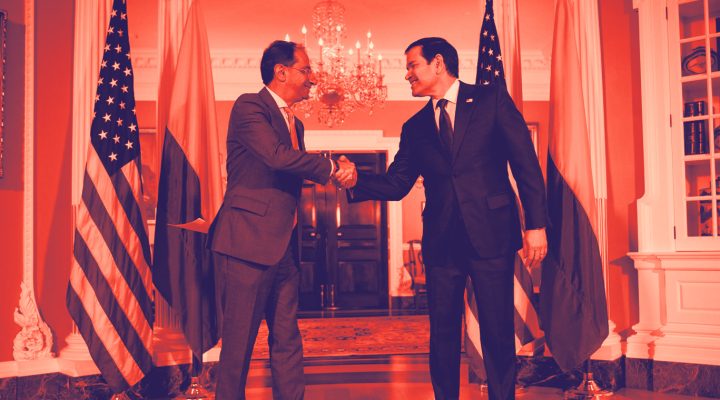
Colombia’s Foreign Policy After Its Change of Course
Abelardo de la Espriella's victory marks a change of course in Colombia. We analyze how his administration may redefine foreign policy, multilateralism, and democratic balances in Latin America in the face of human rights challenges.
By Christy Crouse | | 2026 Colombian Elections, Abelardo De La Espriella, América Latina, Colombia, Colombian Foreign Policy, Democracy and human rights, Latin American Politics, Política Exterior, Right-Wing Populism
News
Search in News
Another “little article” or goodbye to the writ for legal protection of fundamental rights
By César Rodríguez-Garavito (Retired in 2019) |
SE PRENDIÓ EL DEBATE SOBRE EL proyecto que cursa en el Congreso y que convertiría la sostenibilidad fiscal en un principio constitucional. Así que esta reforma se ha vuelto "in". ...
Lea más Colombia: complex violence (Interview to Rodrigo Uprimny)
By Rodrigo Uprimny Yepes |
Para leer la entrevista completa visita la página http://alainet.org/publica/alai464.pdf.
Lea más Santos, without gender policy
By Dejusticia |
En uno de los debates presidenciales del año pasado, Sergio Fajardo le dirigió a Juan Manuel Santos la siguiente pregunta: ¿Usted qué propuesta tiene para las mujeres en Colombia? En ...
Lea más Development plan and human rights
By Rodrigo Uprimny Yepes |
¿HASTA QUÉ PUNTO EL PLAN DE DESArrollo (PND) del gobierno Santos, que esta semana será discutido por las plenarias del Congreso, asume un enfoque de derechos humanos? Es una pregunta ...
Lea más Against the “Lleras Act”.
By César Rodríguez-Garavito (Retired in 2019) |
"CONSTRUIMOS DEMASIADOS MUros, pero muy pocos puentes", dijo alguna vez Isaac Newton, uno de los grandes creadores de la historia. Una prueba es el proyecto de "ley Lleras", que levantaría ...
Lea más The abuse of states of emergency
By Rodrigo Uprimny Yepes |
La reciente anulación por la Corte Constitucional de la nueva declaratoria de emergencia del presidente Santos es parte de un esfuerzo de ese tribunal por evitar el abuso de los ...
Lea más Search in Opinion
I don’t care if they call me a dictator.
By Nina Chaparro González | | bukele, Democracy, Dictadura, El Salvador, Program for strengthening - Others
During his six years in office, Bukele has consolidated his power, paving the way to become the dictator he appears to be announcing himself as.
Lea más NGOs at risk of global extinction
By Nina Chaparro González | | financiación internacional, NGO, Program for strengthening - Others
How can non-governmental organizations transform themselves? What were they like when they did not depend on international funding?
Lea más Colombia: going back to the original balance of justice
By Paola Molano Ayala | | gorillaz, JEP, Transitional Justice, Victims
There is a crucial aspect of Colombia’s transitional justice model that is worrying: the current inability of the Special Jurisdiction for Peace (JEP) to offer legal security to those who participated in the conflict, including in human rights violations, and have not been identified as among the most responsible. And making sure they also contribute to the satisfaction of the rights of the victims. The JEP must avoid keep moving towards maximalist approaches and go back to the balance in the Peace Agreement.
Lea más
Stories
FromTheTerritory
We travel with 20 indigenous activists of the world to the heart of the Sierra Nevada de Santa Marta. Listen to this story about the Kankuama Resistance.
Dejusticia's
Documentaries
Discover some of the documentary pieces that we have made. Indigenous resistance, migration of Venezuelans to Colombia and stories of women coca growers, are some of our topics of interest.
