


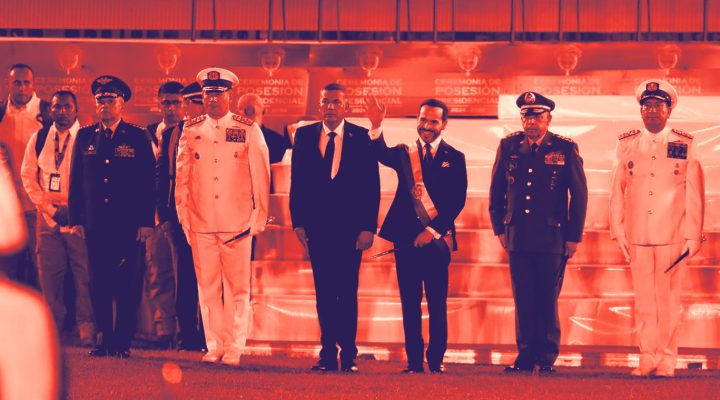
Colombia Changes Course: How Might the New Government Redefine Colombian Foreign Policy and the Political Balance in Latin America?
The transition from the Gustavo Petro administration to that of Abelardo de la Espriella marks a redefinition of Colombia’s development model. This analysis explores the diplomatic shift toward the U.S. and Israel, the move away from multilateral agendas, and the democratic implications of the reconfiguration of Latin America.
By Christy Crouse, Sofia Forero Alba | | Abelardo De La Espriella, Colombia-U.S. Relations, Colombian Foreign Policy, Latin American Geopolitics, Omar Bula Escobar, Political Transition in Colombia
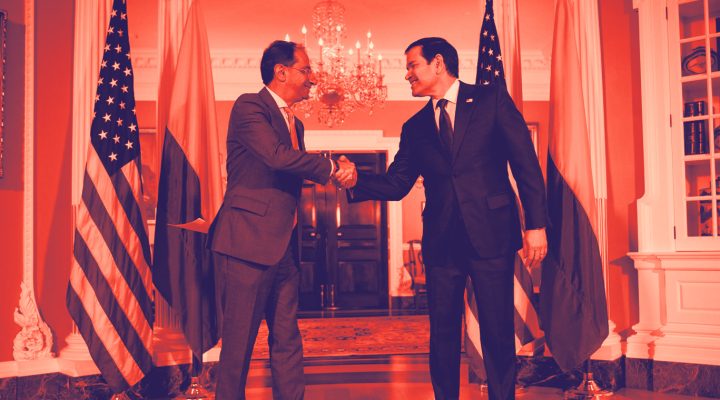
Colombia’s Foreign Policy After Its Change of Course
Abelardo de la Espriella's victory marks a change of course in Colombia. We analyze how his administration may redefine foreign policy, multilateralism, and democratic balances in Latin America in the face of human rights challenges.
By Christy Crouse | | 2026 Colombian Elections, Abelardo De La Espriella, América Latina, Colombia, Colombian Foreign Policy, Democracy and human rights, Latin American Politics, Política Exterior, Right-Wing Populism
News
Search in News
Speed Limits
By Mauricio García Villegas |
En lugar de oír una norma de conducta, o una recomendación, como creen los padres, los muchachos terminan oyendo un ruido, una cantinela a la que no le paran bolas. ...
Lea más The Fraud of the Merit Competition
By Juan Fernando Jaramillo (Deceased) |
En 2005, el Gobierno Nacional convocó a un concurso público de méritos para proveer más de 100.000 cargos en la administración pública. La respuesta de los colombianos fue abrumadora: 620.000 ...
Lea más Filled Chairs, Empty Principles
By Rodrigo Uprimny Yepes |
Como se recordará, esta reforma pretende limitar el estrago que sobre el Congreso ha tenido la infiltración de las organizaciones criminales, para lo cual modifica la regla actual, según la ...
Lea más The City without the Poor
By Mauricio García Villegas |
Claro que los autores de este proyecto tienen sus argumentos. Uno de ellos es el de la necesidad de mejorar el flujo vehicular. Pero eso no me convence. No todos ...
Lea más Constitutional Efforts
By Mauricio García Villegas |
Digo esto para expresar mi preocupación por la reciente decisión de la Corte Constitucional (C-545 de 2008), en la que sostiene que el juzgamiento de los congresistas ante la Corte ...
Lea más What not to do when facing Parapolitics
By Rodrigo Uprimny Yepes |
No es muy claro qué se debe hacer para enfrentar adecuadamente la profunda crisis institucional que vive Colombia debido a la parapolítica. El Polo cree que es necesaria una Asamblea ...
Lea más Search in Opinion
I don’t care if they call me a dictator.
By Nina Chaparro González | | bukele, Democracy, Dictadura, El Salvador, Program for strengthening - Others
During his six years in office, Bukele has consolidated his power, paving the way to become the dictator he appears to be announcing himself as.
Lea más NGOs at risk of global extinction
By Nina Chaparro González | | financiación internacional, NGO, Program for strengthening - Others
How can non-governmental organizations transform themselves? What were they like when they did not depend on international funding?
Lea más Colombia: going back to the original balance of justice
By Paola Molano Ayala | | gorillaz, JEP, Transitional Justice, Victims
There is a crucial aspect of Colombia’s transitional justice model that is worrying: the current inability of the Special Jurisdiction for Peace (JEP) to offer legal security to those who participated in the conflict, including in human rights violations, and have not been identified as among the most responsible. And making sure they also contribute to the satisfaction of the rights of the victims. The JEP must avoid keep moving towards maximalist approaches and go back to the balance in the Peace Agreement.
Lea más
Stories
FromTheTerritory
We travel with 20 indigenous activists of the world to the heart of the Sierra Nevada de Santa Marta. Listen to this story about the Kankuama Resistance.
Dejusticia's
Documentaries
Discover some of the documentary pieces that we have made. Indigenous resistance, migration of Venezuelans to Colombia and stories of women coca growers, are some of our topics of interest.
