


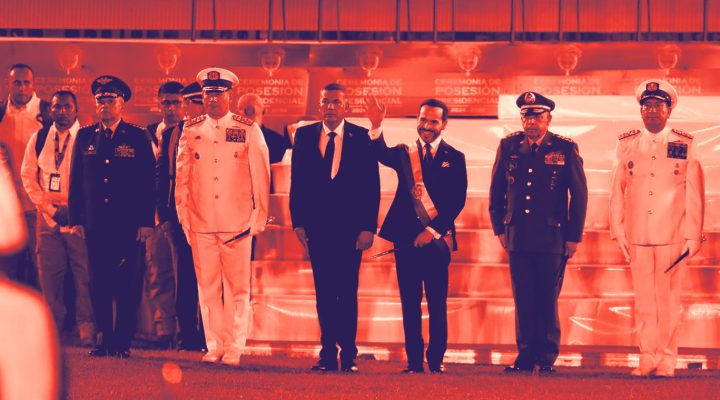
Colombia Changes Course: How Might the New Government Redefine Colombian Foreign Policy and the Political Balance in Latin America?
The transition from the Gustavo Petro administration to that of Abelardo de la Espriella marks a redefinition of Colombia’s development model. This analysis explores the diplomatic shift toward the U.S. and Israel, the move away from multilateral agendas, and the democratic implications of the reconfiguration of Latin America.
By Christy Crouse, Sofia Forero Alba | | Abelardo De La Espriella, Colombia-U.S. Relations, Colombian Foreign Policy, Latin American Geopolitics, Omar Bula Escobar, Political Transition in Colombia
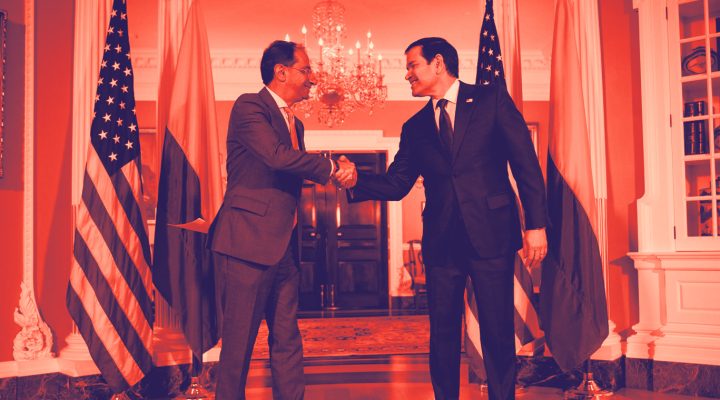
Colombia’s Foreign Policy After Its Change of Course
Abelardo de la Espriella's victory marks a change of course in Colombia. We analyze how his administration may redefine foreign policy, multilateralism, and democratic balances in Latin America in the face of human rights challenges.
By Christy Crouse | | 2026 Colombian Elections, Abelardo De La Espriella, América Latina, Colombia, Colombian Foreign Policy, Democracy and human rights, Latin American Politics, Política Exterior, Right-Wing Populism
News
Search in News
Global Governance and Labor Rights: Codes of Conduct and Anti-Sweatshop Struggles in Global Apparel Factories in México and Guatemala
By César Rodríguez-Garavito (Retired in 2019) |
Con base en trabajo etnográfico en las fábricas globales de ropa de México y Guatemala, este artículo examina el potencial y las limitaciones de los códigos de conducta empresariales y ...
Lea más The impact of the re-election on politics and the Colombian institutions
By César Rodríguez-Garavito (Retired in 2019) |
Este artículo analiza los efectos de la introducción de la reelección presidencial inmediata sobre la práctica política y el funcionamiento de las instituciones colombianas.
Lea más Globalization, judicial reform and democracy in Colombia and Latin America
By César Rodríguez-Garavito (Retired in 2019) |
Este artículo hace un sondeo sistemático de los proyectos de reforma judicial en América Latina financiados por organismos multilaterales y de cooperación internacional en las últimas cuatro décadas. Al analizar ...
Lea más Cultural and economic pincher
By Danilo Rojas (Retired in 2019) |
Ahora que la emisora HJCK, el Mundo en Bogotá, tuvo que salir del aire por problemas económicos, muchos analistas han tenido distintas reacciones, todas eso sí, tendientes a lamentar el ...
Lea más Return to the Past
By Mauricio García Villegas |
El 26 de Agosto de 1789, hace más de dos siglos, la Declaración de los Derechos del Hombre y del Ciudadano, promulgada en Francia, prohibió la discriminación fundada en el ...
Lea más In the name of Democracy
By Rodrigo Uprimny Yepes |
En 1979, con ocasión del primer Foro de Derechos Humanos en Colombia, Alfonso Reyes Echandía -quien aún no era magistrado de la Corte Suprema- presentó una notable ponencia sobre el ...
Lea más Search in Opinion
I don’t care if they call me a dictator.
By Nina Chaparro González | | bukele, Democracy, Dictadura, El Salvador, Program for strengthening - Others
During his six years in office, Bukele has consolidated his power, paving the way to become the dictator he appears to be announcing himself as.
Lea más NGOs at risk of global extinction
By Nina Chaparro González | | financiación internacional, NGO, Program for strengthening - Others
How can non-governmental organizations transform themselves? What were they like when they did not depend on international funding?
Lea más Colombia: going back to the original balance of justice
By Paola Molano Ayala | | gorillaz, JEP, Transitional Justice, Victims
There is a crucial aspect of Colombia’s transitional justice model that is worrying: the current inability of the Special Jurisdiction for Peace (JEP) to offer legal security to those who participated in the conflict, including in human rights violations, and have not been identified as among the most responsible. And making sure they also contribute to the satisfaction of the rights of the victims. The JEP must avoid keep moving towards maximalist approaches and go back to the balance in the Peace Agreement.
Lea más
Stories
FromTheTerritory
We travel with 20 indigenous activists of the world to the heart of the Sierra Nevada de Santa Marta. Listen to this story about the Kankuama Resistance.
Dejusticia's
Documentaries
Discover some of the documentary pieces that we have made. Indigenous resistance, migration of Venezuelans to Colombia and stories of women coca growers, are some of our topics of interest.
