


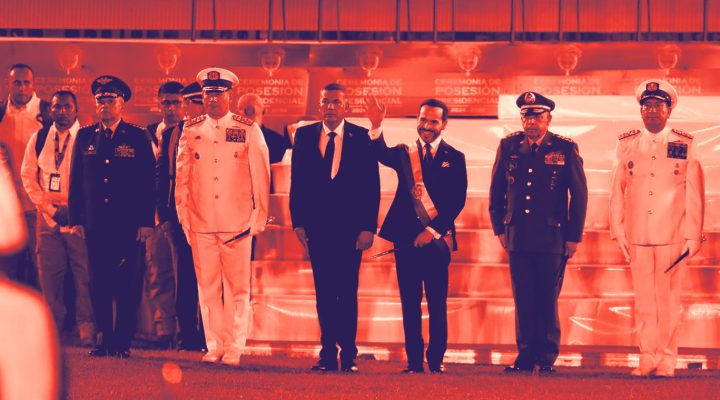
Colombia Changes Course: How Might the New Government Redefine Colombian Foreign Policy and the Political Balance in Latin America?
The transition from the Gustavo Petro administration to that of Abelardo de la Espriella marks a redefinition of Colombia’s development model. This analysis explores the diplomatic shift toward the U.S. and Israel, the move away from multilateral agendas, and the democratic implications of the reconfiguration of Latin America.
By Christy Crouse, Sofia Forero Alba | | Abelardo De La Espriella, Colombia-U.S. Relations, Colombian Foreign Policy, Latin American Geopolitics, Omar Bula Escobar, Political Transition in Colombia
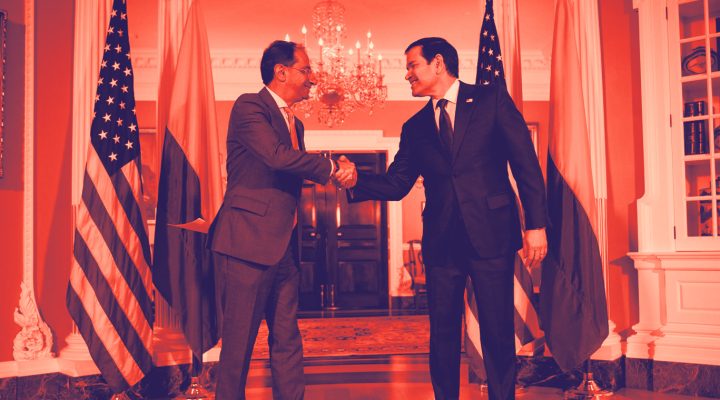
Colombia’s Foreign Policy After Its Change of Course
Abelardo de la Espriella's victory marks a change of course in Colombia. We analyze how his administration may redefine foreign policy, multilateralism, and democratic balances in Latin America in the face of human rights challenges.
By Christy Crouse | | 2026 Colombian Elections, Abelardo De La Espriella, América Latina, Colombia, Colombian Foreign Policy, Democracy and human rights, Latin American Politics, Política Exterior, Right-Wing Populism
News
Search in News
The truth of the law of justice and peace
By Rodrigo Uprimny Yepes |
Es imposible discutir en pocas líneas todos los interrogantes que suscita la recién sancionada Ley 975 de 2005 o de justicia y paz. Por ello me concentro en un sólo ...
Lea más On truth and other devils
By Danilo Rojas (Retired in 2019) |
En los procesos orientados a resolver conflictos armados internos -dicho sin la venia del gobierno-, se involucran variables valorativas relevantes que expresan distintas tensiones en juego. Dos de ellas sobresalen ...
Lea más Dimensions of Transitional Justice in Colombia: building bridges among the legal, the political, and the psychosocial
By Rodrigo Uprimny Yepes, María Paula Saffon Sanín |
En esta ponencia defenderemos la tesis básica de que el establecimiento de un diálogo fluido entre las dimensiones jurídica y política de la justicia transicional, de un lado, y la ...
Lea más Toward a Democratic Conception of Reconciliation
By María Paula Saffon Sanín, Rodrigo Uprimny Yepes |
¿Qué significa la palabra reconciliación? ¿Qué implicaciones tiene usarla en contextos de conflicto armado, violencia generalizada, violación masiva de los derechos humanos e impunidad como el colombiano, e incluso como ...
Lea más Agrarian Counter-reform
By Mauricio García Villegas |
Por lo general, las contrarreformas son reacciones sociales o políticas que buscan un reacomodamiento de fuerzas luego de una revolución o de un cambio social o político importante. En Colombia, ...
Lea más Is there armed conflict in Colombia?
By Rodrigo Uprimny Yepes |
En varias oportunidades, el actual gobierno ha defendido la tesis de que en Colombia no existe un conflicto armado sino una amenaza terrorista contra una democracia y contra la ciudadanía. ...
Lea más Search in Opinion
I don’t care if they call me a dictator.
By Nina Chaparro González | | bukele, Democracy, Dictadura, El Salvador, Program for strengthening - Others
During his six years in office, Bukele has consolidated his power, paving the way to become the dictator he appears to be announcing himself as.
Lea más NGOs at risk of global extinction
By Nina Chaparro González | | financiación internacional, NGO, Program for strengthening - Others
How can non-governmental organizations transform themselves? What were they like when they did not depend on international funding?
Lea más Colombia: going back to the original balance of justice
By Paola Molano Ayala | | gorillaz, JEP, Transitional Justice, Victims
There is a crucial aspect of Colombia’s transitional justice model that is worrying: the current inability of the Special Jurisdiction for Peace (JEP) to offer legal security to those who participated in the conflict, including in human rights violations, and have not been identified as among the most responsible. And making sure they also contribute to the satisfaction of the rights of the victims. The JEP must avoid keep moving towards maximalist approaches and go back to the balance in the Peace Agreement.
Lea más
Stories
FromTheTerritory
We travel with 20 indigenous activists of the world to the heart of the Sierra Nevada de Santa Marta. Listen to this story about the Kankuama Resistance.
Dejusticia's
Documentaries
Discover some of the documentary pieces that we have made. Indigenous resistance, migration of Venezuelans to Colombia and stories of women coca growers, are some of our topics of interest.
