


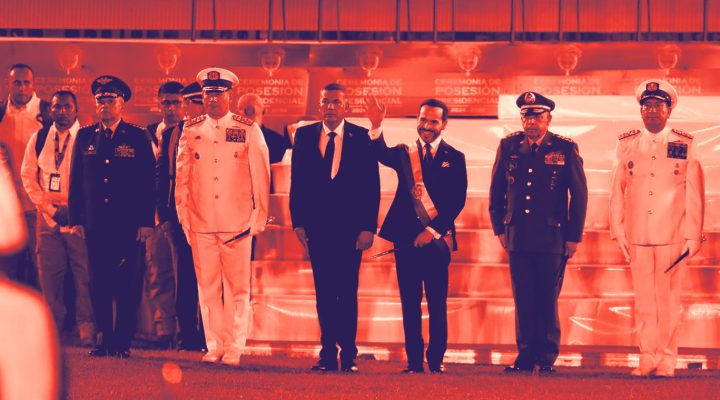
Colombia Changes Course: How Might the New Government Redefine Colombian Foreign Policy and the Political Balance in Latin America?
The transition from the Gustavo Petro administration to that of Abelardo de la Espriella marks a redefinition of Colombia’s development model. This analysis explores the diplomatic shift toward the U.S. and Israel, the move away from multilateral agendas, and the democratic implications of the reconfiguration of Latin America.
By Christy Crouse, Sofia Forero Alba | | Abelardo De La Espriella, Colombia-U.S. Relations, Colombian Foreign Policy, Latin American Geopolitics, Omar Bula Escobar, Political Transition in Colombia
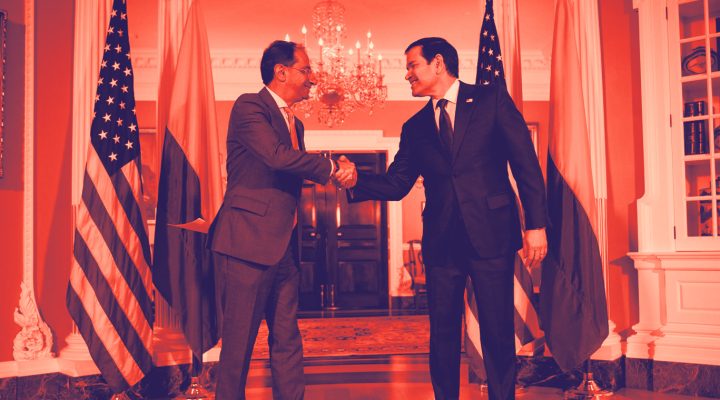
Colombia’s Foreign Policy After Its Change of Course
Abelardo de la Espriella's victory marks a change of course in Colombia. We analyze how his administration may redefine foreign policy, multilateralism, and democratic balances in Latin America in the face of human rights challenges.
By Christy Crouse | | 2026 Colombian Elections, Abelardo De La Espriella, América Latina, Colombia, Colombian Foreign Policy, Democracy and human rights, Latin American Politics, Política Exterior, Right-Wing Populism
News
Search in News
The Constitutional Court and Control of Presidential Extraordinary Powers in Colombia
By Rodrigo Uprimny Yepes |
El artículo analiza los alcances y límites de las tentativas de la Corte Constitucional colombiana por controlar el abuso de los estados de excepción. Luego de mostrar los dilemas que ...
Lea más Is there justice?
By Rodrigo Uprimny Yepes |
El nuevo Código de Procedimiento Penal, aprobado este año y que desarrolla la reforma constitucional a la Fiscalía de finales de 2002, pretende introducir cambios drásticos en la justicia. Sus ...
Lea más Criticisms of the Colombian Judicial Defense System: Response by Rodrigo Uprimny
By Rodrigo Uprimny Yepes |
Hace unas semanas defendí en este espacio la tesis de que el Estado colombiano, a pesar de pasársela en los juzgados, actuaba judicialmente como un novato. Y que esta situación ...
Lea más What time is it? The re-election of Bush and the future of the United States-Colombia Free Trade Agreement
By César Rodríguez-Garavito (Retired in 2019) |
La barrida republicana en las elecciones presidenciales y parlamentarias del pasado 2 de noviembre en los Estados Unidos ?basada en el voto religioso conservador del centro y sur del país? ...
Lea más Lessons of Saramago
By Danilo Rojas (Retired in 2019) |
La antena que trae las noticias de la guerra, está llena de pájaros Gustavo Adolfo Garcés Hay mucho que aprender de escritores como José Saramago, que ha podido vivenciar y ...
Lea más The weakness of a strong state
By Mauricio García Villegas |
La gran mayoría de los colombianos eligió a Álvaro Uribe como presidente porque quería un Estado fuerte. Un Estado que diera por terminados los devaneos del proceso de paz con ...
Lea más Search in Opinion
I don’t care if they call me a dictator.
By Nina Chaparro González | | bukele, Democracy, Dictadura, El Salvador, Program for strengthening - Others
During his six years in office, Bukele has consolidated his power, paving the way to become the dictator he appears to be announcing himself as.
Lea más NGOs at risk of global extinction
By Nina Chaparro González | | financiación internacional, NGO, Program for strengthening - Others
How can non-governmental organizations transform themselves? What were they like when they did not depend on international funding?
Lea más Colombia: going back to the original balance of justice
By Paola Molano Ayala | | gorillaz, JEP, Transitional Justice, Victims
There is a crucial aspect of Colombia’s transitional justice model that is worrying: the current inability of the Special Jurisdiction for Peace (JEP) to offer legal security to those who participated in the conflict, including in human rights violations, and have not been identified as among the most responsible. And making sure they also contribute to the satisfaction of the rights of the victims. The JEP must avoid keep moving towards maximalist approaches and go back to the balance in the Peace Agreement.
Lea más
Stories
FromTheTerritory
We travel with 20 indigenous activists of the world to the heart of the Sierra Nevada de Santa Marta. Listen to this story about the Kankuama Resistance.
Dejusticia's
Documentaries
Discover some of the documentary pieces that we have made. Indigenous resistance, migration of Venezuelans to Colombia and stories of women coca growers, are some of our topics of interest.
