



Colombia Changes Course: How Might the New Government Redefine Colombian Foreign Policy and the Political Balance in Latin America?
The transition from the Gustavo Petro administration to that of Abelardo de la Espriella marks a redefinition of Colombia’s development model. This analysis explores the diplomatic shift toward the U.S. and Israel, the move away from multilateral agendas, and the democratic implications of the reconfiguration of Latin America.
By Christy Crouse, Sofia Forero Alba | | Abelardo De La Espriella, Colombia-U.S. Relations, Colombian Foreign Policy, Latin American Geopolitics, Omar Bula Escobar, Political Transition in Colombia

Colombia’s Foreign Policy After Its Change of Course
Abelardo de la Espriella's victory marks a change of course in Colombia. We analyze how his administration may redefine foreign policy, multilateralism, and democratic balances in Latin America in the face of human rights challenges.
By Christy Crouse | | 2026 Colombian Elections, Abelardo De La Espriella, América Latina, Colombia, Colombian Foreign Policy, Democracy and human rights, Latin American Politics, Política Exterior, Right-Wing Populism
News
Search in News
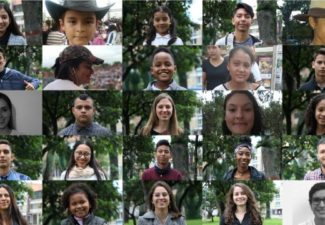
25 Voices Against Deforestation
By Dejusticia | | Colombia, Corte Suprema de Justicia, Medio Ambiente, Recursos naturales, Tutela Cambio Climático
Get to know each of the young leaders of this historic case, which recently mandated the state of Colombia to stop the deforestation in the Amazon Rainforest. AMAZONAS José ...
Lea más 
Here is how litigation for the planet won in Colombia
By César Rodríguez Garavito (Se retiró en 2019) | | Generaciones futuras, Tutela Cambio Climático
The 25 young plaintiffs arrived on time for our appointment in Bogotá. The unusual cold and stubborn drizzle of that Saturday morning reminded us of the reason that brought us ...
Lea más Help us build the Intergenerational Pact for the Amazon
By Dejusticia | | Corte Suprema de Justicia, Generaciones futuras, Tutela Cambio Climático
The Supreme Court of Justice's historic decision, in favor of the lawsuit filed by 25 children and young people asking the government to stop deforestation in the Colombian Amazon and ...
Lea más 
Registration open for course on ‘Business and human rights: doctrine, practice, and strategy’
By Claret Vargas |
[THE APPLICATION PERIOD FOR THIS COURSE IS CLOSED] July 9 - 13, 2018 Bogota, Colombia Description of the Course This course focuses on doctrine, practice and strategies for the implementation of ...
Lea más 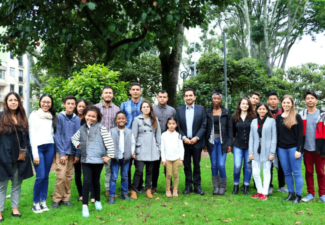
Climate Change and Future Generations Lawsuit in Colombia: Key Excerpts from the Supreme Court’s Decision
By Dejusticia |
The Colombian government has four months to present an action plan to reduce deforestation in the Amazon region, the main source of greenhouse gas emissions driving climate change in the ...
Lea más 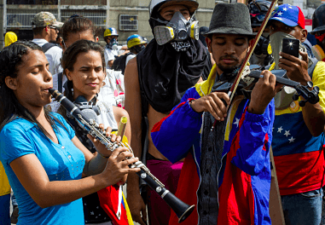
Dejusticia launches groundbreaking playbook for the human rights field against populism
By César Rodríguez-Garavito (Retired in 2019), Krizna Gomez | | Closing Civil Society Spaces, Defenders’ Day, Human Rights Defenders, Populist leaders, Venezuela
Edited by César Rodríguez-Garavito and Krizna Gomez, this book collects and analyzes a repertoire of responses by human rights organizations to the growing crackdown against civil society in different countries ...
Lea más Search in Opinion
I don’t care if they call me a dictator.
By Nina Chaparro González | | bukele, Democracy, Dictadura, El Salvador, Program for strengthening - Others
During his six years in office, Bukele has consolidated his power, paving the way to become the dictator he appears to be announcing himself as.
Lea más NGOs at risk of global extinction
By Nina Chaparro González | | financiación internacional, NGO, Program for strengthening - Others
How can non-governmental organizations transform themselves? What were they like when they did not depend on international funding?
Lea más Colombia: going back to the original balance of justice
By Paola Molano Ayala | | gorillaz, JEP, Transitional Justice, Victims
There is a crucial aspect of Colombia’s transitional justice model that is worrying: the current inability of the Special Jurisdiction for Peace (JEP) to offer legal security to those who participated in the conflict, including in human rights violations, and have not been identified as among the most responsible. And making sure they also contribute to the satisfaction of the rights of the victims. The JEP must avoid keep moving towards maximalist approaches and go back to the balance in the Peace Agreement.
Lea más
Stories
FromTheTerritory
We travel with 20 indigenous activists of the world to the heart of the Sierra Nevada de Santa Marta. Listen to this story about the Kankuama Resistance.
Dejusticia's
Documentaries
Discover some of the documentary pieces that we have made. Indigenous resistance, migration of Venezuelans to Colombia and stories of women coca growers, are some of our topics of interest.
