


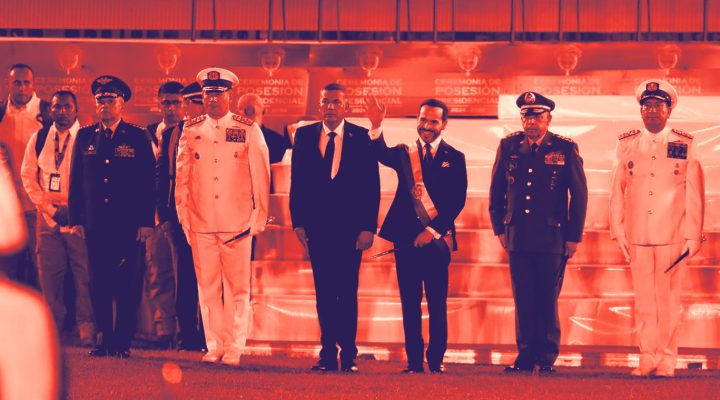
Colombia Changes Course: How Might the New Government Redefine Colombian Foreign Policy and the Political Balance in Latin America?
The transition from the Gustavo Petro administration to that of Abelardo de la Espriella marks a redefinition of Colombia’s development model. This analysis explores the diplomatic shift toward the U.S. and Israel, the move away from multilateral agendas, and the democratic implications of the reconfiguration of Latin America.
By Christy Crouse, Sofia Forero Alba | | Abelardo De La Espriella, Colombia-U.S. Relations, Colombian Foreign Policy, Latin American Geopolitics, Omar Bula Escobar, Political Transition in Colombia

Colombia’s Foreign Policy After Its Change of Course
Abelardo de la Espriella's victory marks a change of course in Colombia. We analyze how his administration may redefine foreign policy, multilateralism, and democratic balances in Latin America in the face of human rights challenges.
By Christy Crouse | | 2026 Colombian Elections, Abelardo De La Espriella, América Latina, Colombia, Colombian Foreign Policy, Democracy and human rights, Latin American Politics, Política Exterior, Right-Wing Populism
News
Search in News
Popular consultations are constitutional, binding and do have effects on mining concessions
By | | Mecanismos de consulta
Precisiones sobre el alcance de la consulta popular y su impacto sobre los proyectos mineros en curso. 1. La decisión que toma la ciudadanía en una consulta popular es vinculante y ...
Lea más 
An organization with collective leadership: our history reviewed in the Leader Network
By |
Para iniciar la serie de perfiles sobre liderazgo colectivo, La Red Líder escogió a los miembros de Dejusticia, un grupo de agentes de cambio social a través de una concepción ...
Lea más 
The transition to peace: our commitment to democratize and contribute to the implementation process of the agreement
By | | Acuerdo de paz, Fast track, Implementación
Si se tiene en cuenta la manera en la que finalmente se aprobó el Acuerdo de Paz y el mecanismo que se está utilizando para su implementación, el Fast-track, no ...
Lea más 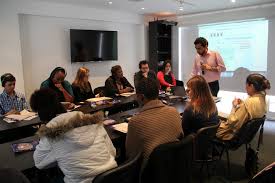
Call for applications to the fifth Global Action-Research Workshop is now open
By | | Taller Global Investigación-Acción
El Taller Global de Investigación-Acción de Dejusticia busca asegurar que la nueva generación de defensores de derechos humanos del Sur Global tenga una participación frente a discusiones internacionales. Un reto ...
Lea más 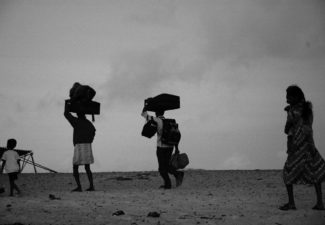
States must guarantee the ESCR of refugees and migrants
By Diana Isabel Güiza Gómez | | Derechos económicos, sociales-y-culturales-desc, United Nations
Esto lo hizo pocos meses después de que la Asamblea General de Naciones Unidas reiterara su compromiso frente a la protección plena de “los derechos humanos de todos los refugiados ...
Lea más 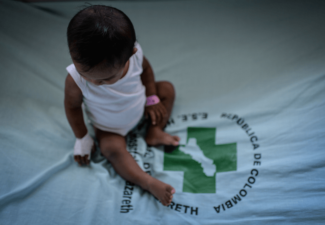
The Many Fundamental Rights That Were Violated as to the Wayúu Population: Special Report by Dejusticia
By Carolina Gutiérrez, Celeste Kauffman, César Rodríguez-Garavito (Retired in 2019), Diana Guarnizo, Irina Alejandra Junieles Acosta, Mauricio Albarracín | | Boletín
The information presented in the supporting report regarding the humanitarian crisis of the Wayúu people is based on a field research that Dejusticia carried out in several communities and municipalities of the various ...
Lea más Search in Opinion
I don’t care if they call me a dictator.
By Nina Chaparro González | | bukele, Democracy, Dictadura, El Salvador, Program for strengthening - Others
During his six years in office, Bukele has consolidated his power, paving the way to become the dictator he appears to be announcing himself as.
Lea más NGOs at risk of global extinction
By Nina Chaparro González | | financiación internacional, NGO, Program for strengthening - Others
How can non-governmental organizations transform themselves? What were they like when they did not depend on international funding?
Lea más Colombia: going back to the original balance of justice
By Paola Molano Ayala | | gorillaz, JEP, Transitional Justice, Victims
There is a crucial aspect of Colombia’s transitional justice model that is worrying: the current inability of the Special Jurisdiction for Peace (JEP) to offer legal security to those who participated in the conflict, including in human rights violations, and have not been identified as among the most responsible. And making sure they also contribute to the satisfaction of the rights of the victims. The JEP must avoid keep moving towards maximalist approaches and go back to the balance in the Peace Agreement.
Lea más
Stories
FromTheTerritory
We travel with 20 indigenous activists of the world to the heart of the Sierra Nevada de Santa Marta. Listen to this story about the Kankuama Resistance.
Dejusticia's
Documentaries
Discover some of the documentary pieces that we have made. Indigenous resistance, migration of Venezuelans to Colombia and stories of women coca growers, are some of our topics of interest.
