



Colombia Changes Course: How Might the New Government Redefine Colombian Foreign Policy and the Political Balance in Latin America?
The transition from the Gustavo Petro administration to that of Abelardo de la Espriella marks a redefinition of Colombia’s development model. This analysis explores the diplomatic shift toward the U.S. and Israel, the move away from multilateral agendas, and the democratic implications of the reconfiguration of Latin America.
By Christy Crouse, Sofia Forero Alba | | Abelardo De La Espriella, Colombia-U.S. Relations, Colombian Foreign Policy, Latin American Geopolitics, Omar Bula Escobar, Political Transition in Colombia

Colombia’s Foreign Policy After Its Change of Course
Abelardo de la Espriella's victory marks a change of course in Colombia. We analyze how his administration may redefine foreign policy, multilateralism, and democratic balances in Latin America in the face of human rights challenges.
By Christy Crouse | | 2026 Colombian Elections, Abelardo De La Espriella, América Latina, Colombia, Colombian Foreign Policy, Democracy and human rights, Latin American Politics, Política Exterior, Right-Wing Populism
News
Search in News

Marriage Equality Public Hearing
By Dejusticia | | Derechos civiles, Matrimonio Igualitario
Por solicitud de Colombia Diversa y Dejusticia, la Corte Constitucional ordenó la realización de una audiencia pública a propósito de los casos de tutela de matrimonios de parejas del mismo ...
Lea más 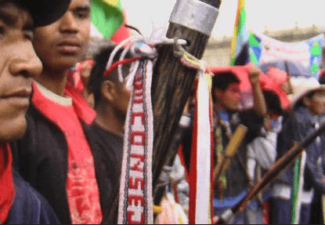
Dejusticia Launches Research Project about Ethnic-Racial Justice in Latin America
By Dejusticia | | Afrodescendants, Consulta previa, Pueblos indígenas
En el marco de los 25 años del convenio 169 de la Organización Internacional del Trabajo, Dejusticia lanza la publicación “El derecho, las desigualdades estructurales y la justicia étnico racial ...
Lea más 
Forum about Decongestion Measures
By Dejusticia | | Sistema Judicial
El 27 de julio, el investigador Sebastián Lalinde expondrá dos alternativas de descongestión de juzgados en este foro organizador por el Colegio de Jueces y Fiscales de Antioquia a través ...
Lea más 
Rodrigo Uprimny Responds to the Solicitor General’s and Ex-Judge Marco Velilla’s Regarding Alleged Leaks of Judicial Decisions
By Dejusticia | | Alejandro Ordoñez, Colombia, Consejo de Estado
De acuerdo con la Revista Semana, el Procurador General de la Nación envió una carta al presidente del Consejo de Estado en la que se refiere, entre otras cosas, a ...
Lea más 
Prior Consultation Can Prevent Environmental Damage in Colombia and for Humanity: Daniel Cerqueira
By Dejusticia | | Constitución de 1991, Consulta previa, Derecho a la información, Derecho a un ambiente sano, Medio Ambiente
El Convenio 169 de la OIT, que se concentra en los derechos de los pueblos indígenas y tribales, cumplió 25 años. Onic y Cnoa, con el apoyo de organizaciones de ...
Lea más 
In Search for an Alternative Drug Policy Peasant Leaders from Colombia, Peru, and Bolivia Meet
By Dejusticia | | Drogas
La Constituyente de Coca, Amapola y Marihuana está constituida por organizaciones sociales rurales de campesinos, indígenas y afrocolombianos que reclaman la posibilidad de incidir en una política de drogas con ...
Lea más Search in Opinion
I don’t care if they call me a dictator.
By Nina Chaparro González | | bukele, Democracy, Dictadura, El Salvador, Program for strengthening - Others
During his six years in office, Bukele has consolidated his power, paving the way to become the dictator he appears to be announcing himself as.
Lea más NGOs at risk of global extinction
By Nina Chaparro González | | financiación internacional, NGO, Program for strengthening - Others
How can non-governmental organizations transform themselves? What were they like when they did not depend on international funding?
Lea más Colombia: going back to the original balance of justice
By Paola Molano Ayala | | gorillaz, JEP, Transitional Justice, Victims
There is a crucial aspect of Colombia’s transitional justice model that is worrying: the current inability of the Special Jurisdiction for Peace (JEP) to offer legal security to those who participated in the conflict, including in human rights violations, and have not been identified as among the most responsible. And making sure they also contribute to the satisfaction of the rights of the victims. The JEP must avoid keep moving towards maximalist approaches and go back to the balance in the Peace Agreement.
Lea más
Stories
FromTheTerritory
We travel with 20 indigenous activists of the world to the heart of the Sierra Nevada de Santa Marta. Listen to this story about the Kankuama Resistance.
Dejusticia's
Documentaries
Discover some of the documentary pieces that we have made. Indigenous resistance, migration of Venezuelans to Colombia and stories of women coca growers, are some of our topics of interest.
