


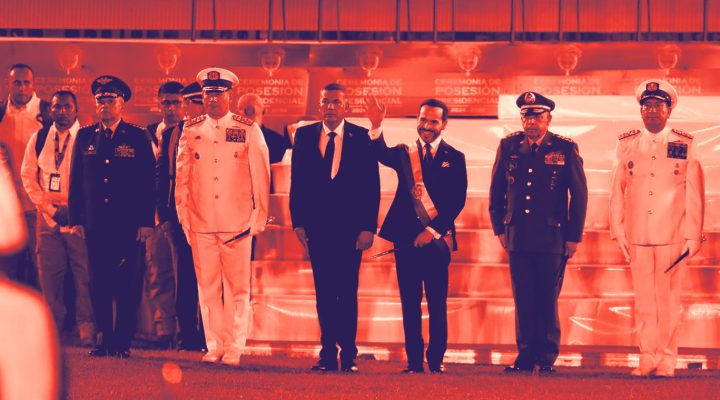
Colombia Changes Course: How Might the New Government Redefine Colombian Foreign Policy and the Political Balance in Latin America?
The transition from the Gustavo Petro administration to that of Abelardo de la Espriella marks a redefinition of Colombia’s development model. This analysis explores the diplomatic shift toward the U.S. and Israel, the move away from multilateral agendas, and the democratic implications of the reconfiguration of Latin America.
By Christy Crouse, Sofia Forero Alba | | Abelardo De La Espriella, Colombia-U.S. Relations, Colombian Foreign Policy, Latin American Geopolitics, Omar Bula Escobar, Political Transition in Colombia
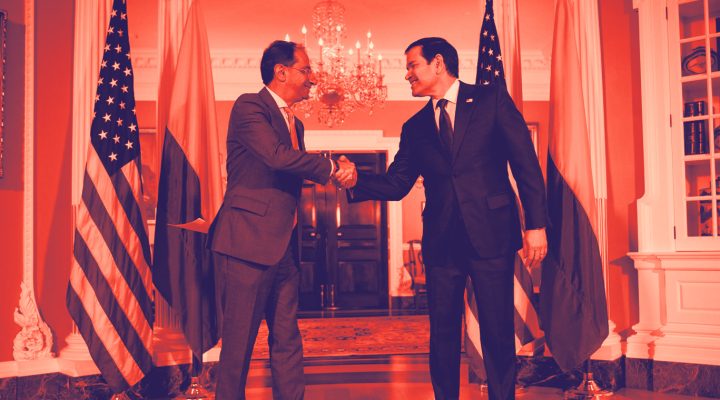
Colombia’s Foreign Policy After Its Change of Course
Abelardo de la Espriella's victory marks a change of course in Colombia. We analyze how his administration may redefine foreign policy, multilateralism, and democratic balances in Latin America in the face of human rights challenges.
By Christy Crouse | | 2026 Colombian Elections, Abelardo De La Espriella, América Latina, Colombia, Colombian Foreign Policy, Democracy and human rights, Latin American Politics, Política Exterior, Right-Wing Populism
News
Search in News
Petro’s International Option
By Nelson Camilo Sánchez León | | Alcaldía Mayor, Bogotá, Comisión Interamericana de Derechos Humanos, Destitución, Gustavo Petro, Inhabilidad, Procuraduría
Desde el día que conoció la noticia de la decisión de la Procuraduría sobre su destitución y e inhabilidad para ocupar cargos públicos por 15 años, la defensa jurídica del ...
Lea más Climate Injustice and Social Movements: Latin America’s Chance
By César Rodríguez-Garavito (Retired in 2019) | | Latinoamérica, Medio Ambiente, United Nations
Fracassou a cúpula sobre mudança climática em Varsóvia. Não adiantaram os soluços nem a greve de fome do representante filipino. “É hora de acabar com esta loucura”, disse aos destemidos ...
Lea más Coalition Report UN Resolution 1325 on Peace and Democracy in Colombia
By Dejusticia | | Colombia, Derechos fundamentales, FARC, Género, peace, Posconflicto, United Nations, Víctimas
Desde el año 2011 la Coalición 1325 realiza el Informe de Monitoreo de la Resolución 1325 del Consejo de Seguridad de Naciones Unidas, con el objetivo de hacer seguimiento a ...
Lea más Environmental Democracy
By César Rodríguez-Garavito (Retired in 2019) | | Bogotá, Colombia, Democracy, Medio Ambiente, Municipios, Plan de Ordenamiento Territorial, Planes de vida, Procuraduría
El domingo fue el turno de Tauramena (Casanare), que votó en contra de proyectos petroleros que ponen en riesgo las fuentes de agua del municipio. Siguiendo el ejemplo de la ...
Lea más Separate and Unequal: Education and Social Class in Colombia
By José Rafael Espinosa Restrepo, Mauricio García Villegas | | Acceso, Colombia, Desigualdad, Education, Igualdad, Segregación
Los estudiantes de educación básica y media viven en dos mundos separados y desiguales, porque la formación que reciben es de una calidad muy diferente. ¿Qué hacer para cerrar esta ...
Lea más With Three Articles
By Rodrigo Uprimny Yepes | | Alejandro Ordoñez, Colombia, Constitucion, Democracy, Destitución, Procuraduría, Reforma a la justicia
Es posible limitar los mayores riesgos institucionales de la Procuraduría y los peores excesos personales del Procurador Ordóñez sin necesidad de reformar la Constitución; basta una corta ley de tres ...
Lea más Search in Opinion
I don’t care if they call me a dictator.
By Nina Chaparro González | | bukele, Democracy, Dictadura, El Salvador, Program for strengthening - Others
During his six years in office, Bukele has consolidated his power, paving the way to become the dictator he appears to be announcing himself as.
Lea más NGOs at risk of global extinction
By Nina Chaparro González | | financiación internacional, NGO, Program for strengthening - Others
How can non-governmental organizations transform themselves? What were they like when they did not depend on international funding?
Lea más Colombia: going back to the original balance of justice
By Paola Molano Ayala | | gorillaz, JEP, Transitional Justice, Victims
There is a crucial aspect of Colombia’s transitional justice model that is worrying: the current inability of the Special Jurisdiction for Peace (JEP) to offer legal security to those who participated in the conflict, including in human rights violations, and have not been identified as among the most responsible. And making sure they also contribute to the satisfaction of the rights of the victims. The JEP must avoid keep moving towards maximalist approaches and go back to the balance in the Peace Agreement.
Lea más
Stories
FromTheTerritory
We travel with 20 indigenous activists of the world to the heart of the Sierra Nevada de Santa Marta. Listen to this story about the Kankuama Resistance.
Dejusticia's
Documentaries
Discover some of the documentary pieces that we have made. Indigenous resistance, migration of Venezuelans to Colombia and stories of women coca growers, are some of our topics of interest.
