


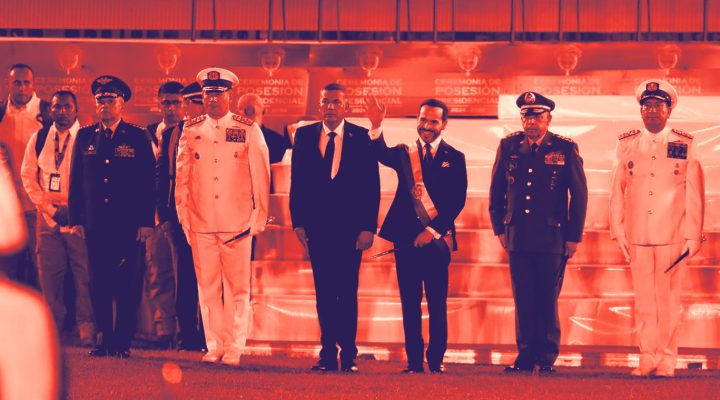
Colombia Changes Course: How Might the New Government Redefine Colombian Foreign Policy and the Political Balance in Latin America?
The transition from the Gustavo Petro administration to that of Abelardo de la Espriella marks a redefinition of Colombia’s development model. This analysis explores the diplomatic shift toward the U.S. and Israel, the move away from multilateral agendas, and the democratic implications of the reconfiguration of Latin America.
By Christy Crouse, Sofia Forero Alba | | Abelardo De La Espriella, Colombia-U.S. Relations, Colombian Foreign Policy, Latin American Geopolitics, Omar Bula Escobar, Political Transition in Colombia
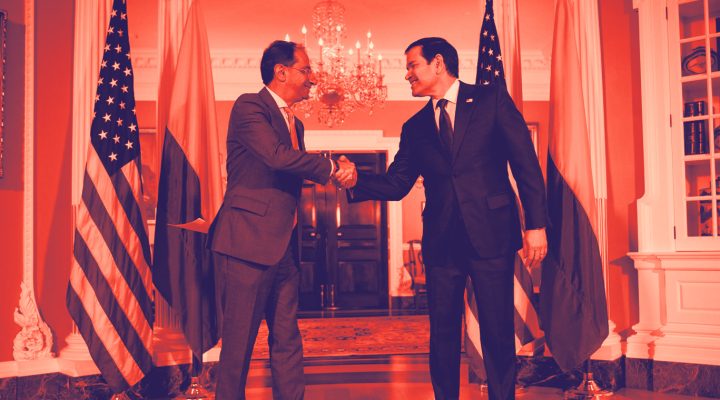
Colombia’s Foreign Policy After Its Change of Course
Abelardo de la Espriella's victory marks a change of course in Colombia. We analyze how his administration may redefine foreign policy, multilateralism, and democratic balances in Latin America in the face of human rights challenges.
By Christy Crouse | | 2026 Colombian Elections, Abelardo De La Espriella, América Latina, Colombia, Colombian Foreign Policy, Democracy and human rights, Latin American Politics, Política Exterior, Right-Wing Populism
News
Search in News
Mistaken interpretations or a misleading message?
By Nelson Camilo Sánchez León |
Sobre los comunicados de prensa de la Corte Constitucional en la decisión sobre el caso del Marco Legal para la Paz “Nos acostamos con una sentencia y al otro día ...
Lea más Human rights and the law of drugs
By Rodrigo Uprimny Yepes |
¿QUÉ PASA SI LAS OBLIGACIONES INternacionales de un Estado en materia de drogas entran en conflicto con sus obligaciones internacionales en derechos humanos? ¿Debe el Estado cumplir a toda costa ...
Lea más The 970 and the future of seeds
By Diana Rodríguez Franco, César Rodríguez-Garavito (Retired in 2019) |
El paro agrario y el documental 9.70 en el que funcionarios del Instituto Colombiano Agropecuario (ICA) son filmados destruyendo 62 toneladas de arroz en el Huila, cumpliendo con la resolución ...
Lea más Venezuela and the Inter American Court: A farewell or a long goodbye
By Nelson Camilo Sánchez León |
El quinto piso del edificio de la Organización de Estados Americanos (OEA) alberga la biblioteca Rómulo Gallegos, designada de esta manera para hacer un homenaje al primer presidente de la ...
Lea más Companies and human rights
By César Rodríguez-Garavito (Retired in 2019) |
¿Cómo logra que Chiquita responda en Colombia por las víctimas de grupos armados ilegales que habría ayudado a financiar? ¿Cómo evitar que marcas como Zara y Gap se lucren de ...
Lea más The statutory law of the peace referendum would be constitutional
By José Rafael Espinosa Restrepo, Nelson Camilo Sánchez León |
Una advertencia En este artículo no nos referiremos al eventual contenido del referendo, es decir, a la propuesta específica que se pondría a consideración de la ciudadanía sobre el proceso ...
Lea más Search in Opinion
I don’t care if they call me a dictator.
By Nina Chaparro González | | bukele, Democracy, Dictadura, El Salvador, Program for strengthening - Others
During his six years in office, Bukele has consolidated his power, paving the way to become the dictator he appears to be announcing himself as.
Lea más NGOs at risk of global extinction
By Nina Chaparro González | | financiación internacional, NGO, Program for strengthening - Others
How can non-governmental organizations transform themselves? What were they like when they did not depend on international funding?
Lea más Colombia: going back to the original balance of justice
By Paola Molano Ayala | | gorillaz, JEP, Transitional Justice, Victims
There is a crucial aspect of Colombia’s transitional justice model that is worrying: the current inability of the Special Jurisdiction for Peace (JEP) to offer legal security to those who participated in the conflict, including in human rights violations, and have not been identified as among the most responsible. And making sure they also contribute to the satisfaction of the rights of the victims. The JEP must avoid keep moving towards maximalist approaches and go back to the balance in the Peace Agreement.
Lea más
Stories
FromTheTerritory
We travel with 20 indigenous activists of the world to the heart of the Sierra Nevada de Santa Marta. Listen to this story about the Kankuama Resistance.
Dejusticia's
Documentaries
Discover some of the documentary pieces that we have made. Indigenous resistance, migration of Venezuelans to Colombia and stories of women coca growers, are some of our topics of interest.
