


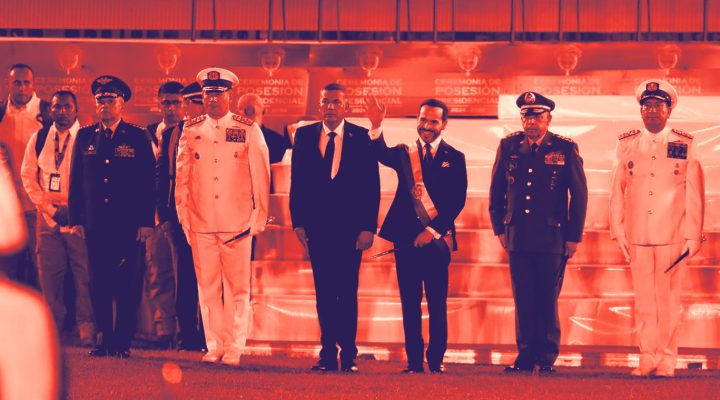
Colombia Changes Course: How Might the New Government Redefine Colombian Foreign Policy and the Political Balance in Latin America?
The transition from the Gustavo Petro administration to that of Abelardo de la Espriella marks a redefinition of Colombia’s development model. This analysis explores the diplomatic shift toward the U.S. and Israel, the move away from multilateral agendas, and the democratic implications of the reconfiguration of Latin America.
By Christy Crouse, Sofia Forero Alba | | Abelardo De La Espriella, Colombia-U.S. Relations, Colombian Foreign Policy, Latin American Geopolitics, Omar Bula Escobar, Political Transition in Colombia

Colombia’s Foreign Policy After Its Change of Course
Abelardo de la Espriella's victory marks a change of course in Colombia. We analyze how his administration may redefine foreign policy, multilateralism, and democratic balances in Latin America in the face of human rights challenges.
By Christy Crouse | | 2026 Colombian Elections, Abelardo De La Espriella, América Latina, Colombia, Colombian Foreign Policy, Democracy and human rights, Latin American Politics, Política Exterior, Right-Wing Populism
News
Search in News
¡Ave Javier!
By Diego E. López Medina |
En su última columna, el distinguido tratadista y abogado Javier Tamayo sigue empecinado en ofrecer interpretaciones erróneas de mi libro “El derecho de los jueces”. No me atrevería a polemizar ...
Lea más The “social guarantee” of rights: toward a culture alive with the respect to human rights
By Diego E. López Medina |
Hay afirmaciones que por su precisión llegan a convertirse en lugares comunes. Tal ocurre precisamente con la célebre frase del jurista alemán Claus Roxin cuando afirma (así, entre signos de ...
Lea más Saramago and his ranting
By Danilo Rojas (Retired in 2019) |
Con ocasión de la reciente visita de José Saramago a Bogotá y de su publicitada conversación sobre lo divino y lo humano con la escritora Laura Restrepo, el premio Nobel ...
Lea más What Colombia lacks: a civil society
By Mauricio García Villegas |
Cuando uno revisa las condiciones que se requieren para que el país pueda superar sus problemas más agudos, se encuentra con una lista larga y desalentadora: mejoramiento de la justicia, ...
Lea más Justice In and Out of the Courtroom: the search for a sucessful dynamic
By Rodrigo Uprimny Yepes, María Paula Saffon Sanín |
El derecho a la verdad es de gran centralidad en la discusión sobre la manera como deben ser enfrentados los crímenes atroces perpetrados en el seno de un conflicto armado ...
Lea más The poverty of growth
By Rodrigo Uprimny Yepes |
Las cifras sobre crecimiento económico en América Latina son buenas: nuestros países estarían creciendo a una tasa promedio cercana al 5 por ciento del PIB en los últimos cuatro años, ...
Lea más Search in Opinion
I don’t care if they call me a dictator.
By Nina Chaparro González | | bukele, Democracy, Dictadura, El Salvador, Program for strengthening - Others
During his six years in office, Bukele has consolidated his power, paving the way to become the dictator he appears to be announcing himself as.
Lea más NGOs at risk of global extinction
By Nina Chaparro González | | financiación internacional, NGO, Program for strengthening - Others
How can non-governmental organizations transform themselves? What were they like when they did not depend on international funding?
Lea más Colombia: going back to the original balance of justice
By Paola Molano Ayala | | gorillaz, JEP, Transitional Justice, Victims
There is a crucial aspect of Colombia’s transitional justice model that is worrying: the current inability of the Special Jurisdiction for Peace (JEP) to offer legal security to those who participated in the conflict, including in human rights violations, and have not been identified as among the most responsible. And making sure they also contribute to the satisfaction of the rights of the victims. The JEP must avoid keep moving towards maximalist approaches and go back to the balance in the Peace Agreement.
Lea más
Stories
FromTheTerritory
We travel with 20 indigenous activists of the world to the heart of the Sierra Nevada de Santa Marta. Listen to this story about the Kankuama Resistance.
Dejusticia's
Documentaries
Discover some of the documentary pieces that we have made. Indigenous resistance, migration of Venezuelans to Colombia and stories of women coca growers, are some of our topics of interest.
