


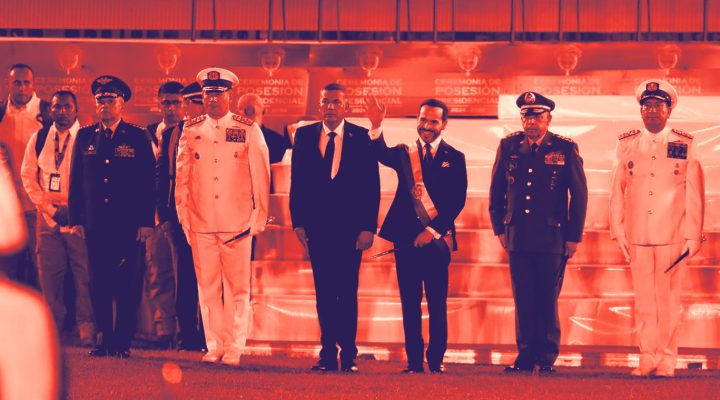
Colombia Changes Course: How Might the New Government Redefine Colombian Foreign Policy and the Political Balance in Latin America?
The transition from the Gustavo Petro administration to that of Abelardo de la Espriella marks a redefinition of Colombia’s development model. This analysis explores the diplomatic shift toward the U.S. and Israel, the move away from multilateral agendas, and the democratic implications of the reconfiguration of Latin America.
By Christy Crouse, Sofia Forero Alba | | Abelardo De La Espriella, Colombia-U.S. Relations, Colombian Foreign Policy, Latin American Geopolitics, Omar Bula Escobar, Political Transition in Colombia
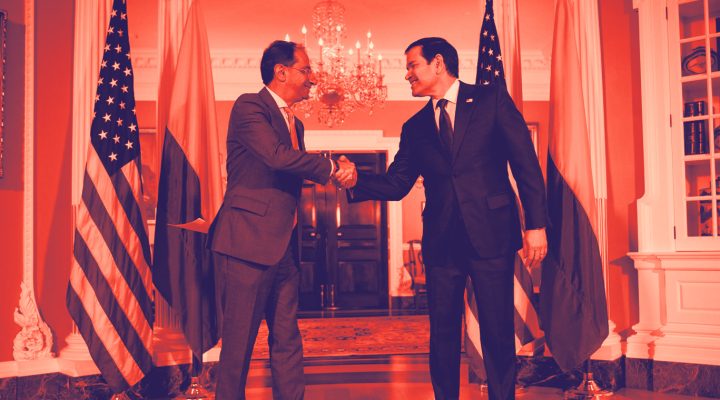
Colombia’s Foreign Policy After Its Change of Course
Abelardo de la Espriella's victory marks a change of course in Colombia. We analyze how his administration may redefine foreign policy, multilateralism, and democratic balances in Latin America in the face of human rights challenges.
By Christy Crouse | | 2026 Colombian Elections, Abelardo De La Espriella, América Latina, Colombia, Colombian Foreign Policy, Democracy and human rights, Latin American Politics, Política Exterior, Right-Wing Populism
News
Search in News
The “class struggle” in law
By Diego E. López Medina |
Es posible que la interpretación constitucional más importante del último semestre sea producto, no de las altas Cortes, sino del presidente Uribe. La campaña presidencial fue su escenario y se ...
Lea más Successful Experiences of the Fight against Impunity
By Diana Esther Guzmán Rodríguez, Rodrigo Uprimny Yepes |
La impunidad es un fenómeno doblemente complejo. Por una parte tiene distintos significados y dimensiones. Por la otra, los factores que la ocasionan son múltiples y en la mayoría de ...
Lea más Latinos go home!
By César Rodríguez-Garavito (Retired in 2019) |
Con las noticias trágicas de las últimas semanas, pasó inadvertida otra igualmente trágica para el millón y medio de colombianos inmigrantes ilegales en Estados Unidos, y para sus familias que ...
Lea más The depoliticization of abduction: The July 6th marches
By Mauricio García Villegas |
Las marchas del pasado jueves no habrían sido posibles si no fuera porque en la sociedad existe un profundo sentimiento de indignación contra el secuestro y contra quienes lo practican, ...
Lea más The teaching of the Rochela
By Rodrigo Uprimny Yepes |
Los jueces no tienen mucha posibilidad de escoger qué casos deciden ni cuándo los fallan, pues eso depende de las demandas que les presentan y de los términos procesales. Pero ...
Lea más Uses and Abuses of Transitional Justice in Colombia
By Rodrigo Uprimny Yepes, María Paula Saffon Sanín |
En los últimos años, en Colombia se ha empezado a usar de manera creciente la expresión y el enfoque de la llamada “justicia transicional”, en especial para discutir el posible ...
Lea más Search in Opinion
I don’t care if they call me a dictator.
By Nina Chaparro González | | bukele, Democracy, Dictadura, El Salvador, Program for strengthening - Others
During his six years in office, Bukele has consolidated his power, paving the way to become the dictator he appears to be announcing himself as.
Lea más NGOs at risk of global extinction
By Nina Chaparro González | | financiación internacional, NGO, Program for strengthening - Others
How can non-governmental organizations transform themselves? What were they like when they did not depend on international funding?
Lea más Colombia: going back to the original balance of justice
By Paola Molano Ayala | | gorillaz, JEP, Transitional Justice, Victims
There is a crucial aspect of Colombia’s transitional justice model that is worrying: the current inability of the Special Jurisdiction for Peace (JEP) to offer legal security to those who participated in the conflict, including in human rights violations, and have not been identified as among the most responsible. And making sure they also contribute to the satisfaction of the rights of the victims. The JEP must avoid keep moving towards maximalist approaches and go back to the balance in the Peace Agreement.
Lea más
Stories
FromTheTerritory
We travel with 20 indigenous activists of the world to the heart of the Sierra Nevada de Santa Marta. Listen to this story about the Kankuama Resistance.
Dejusticia's
Documentaries
Discover some of the documentary pieces that we have made. Indigenous resistance, migration of Venezuelans to Colombia and stories of women coca growers, are some of our topics of interest.
