


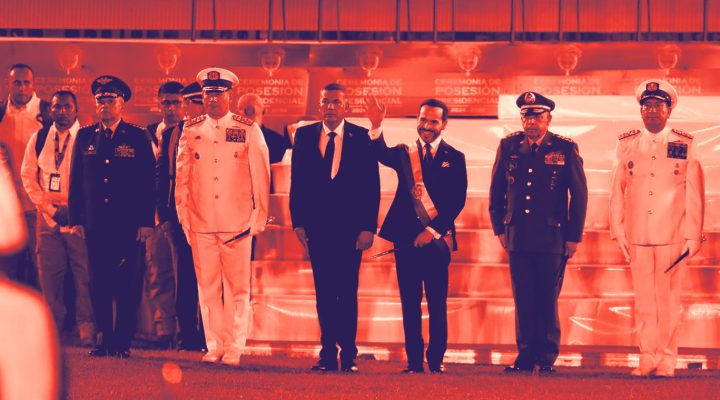
Colombia Changes Course: How Might the New Government Redefine Colombian Foreign Policy and the Political Balance in Latin America?
The transition from the Gustavo Petro administration to that of Abelardo de la Espriella marks a redefinition of Colombia’s development model. This analysis explores the diplomatic shift toward the U.S. and Israel, the move away from multilateral agendas, and the democratic implications of the reconfiguration of Latin America.
By Christy Crouse, Sofia Forero Alba | | Abelardo De La Espriella, Colombia-U.S. Relations, Colombian Foreign Policy, Latin American Geopolitics, Omar Bula Escobar, Political Transition in Colombia
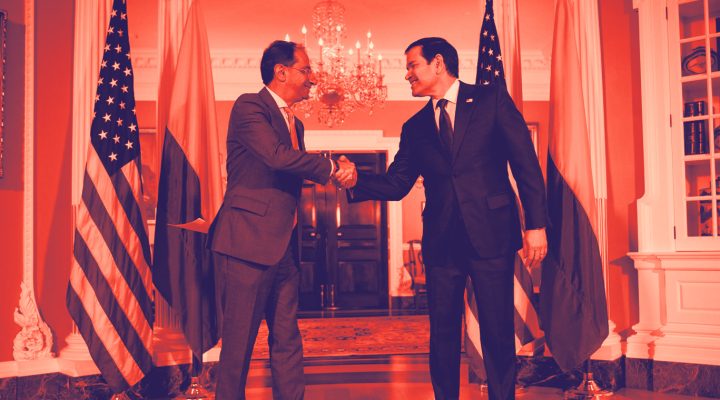
Colombia’s Foreign Policy After Its Change of Course
Abelardo de la Espriella's victory marks a change of course in Colombia. We analyze how his administration may redefine foreign policy, multilateralism, and democratic balances in Latin America in the face of human rights challenges.
By Christy Crouse | | 2026 Colombian Elections, Abelardo De La Espriella, América Latina, Colombia, Colombian Foreign Policy, Democracy and human rights, Latin American Politics, Política Exterior, Right-Wing Populism
News
Search in News
Are we moving forward or backward? The global debate on drugs at CND68
By Dejusticia | | CND68, Commission on Narcotic Drugs, Drugs, drugs policy
Drug policy, and above all the global rules to be applied in each country, is by no means a distant issue. If you thought that, the 68th session of the ...
Lea más 
The right to protest under threat: the situation in Peru
By Sofia Forero Alba, Betsy Zavaleta Amaya | | Perú, Repression, Social Protest
Peru bears wounds that have never healed. The scars of the internal armed conflict and the Fujimori dictatorship have left a democracy reeling, plagued by mistrust and disillusionment. These wounds, ...
Lea más 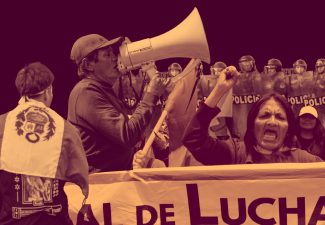
The right to protest under threat: the situation in Peru
By Sofia Forero Alba, Betsy Zavaleta Amaya | | Perú, Program for strengthening - Perú, Pueblos indígenas
Peru carries wounds that never fully healed. The scars of the internal armed conflict and the Fujimori dictatorship have left a shaky democracy, plagued by distrust and disillusionment. These wounds, ...
Lea más 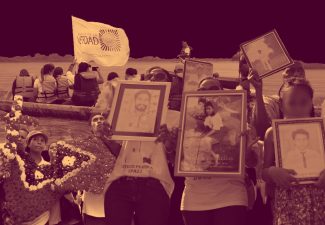
The search for the disappeared: similar paths miles away
By Paula Andrea Valencia Cortés, Mulki Makmun | | Disappeared Persons, Indonesia, Timor-Leste, UBPD, Victims
Across the globe, families gather for dinner—a scene that seems so ordinary. Yet, some leave one plate untouched at the table, a silent tribute to the siblings or children who ...
Lea más 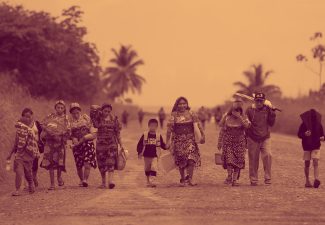
Straddling borders: a journey of indigenous identity and sovereignty
By Autry Johnson | | Identidad, Indígenas, Pueblos indígenas, soberania indígena
Since immemorial, my father’s people, the Potawatomi of the Anishinaabek Nation, have traversed, managed, and lived in peace in the Great Lakes – the world’s largest freshwater lakes. Known as ...
Lea más 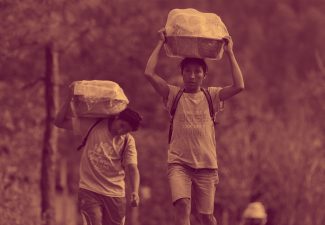
Indigenous peoples in cross-border mobility. An unknown phenomenon that deserves attention.
By Dejusticia | | Migración Colombia-Venezuela, Pueblos indígenas
Guest author: Sebastián Hurtado Estrada, advocacy lawyer of the Counsel for Indigenous Peoples' Rights, Human Rights and Peace of the National Indigenous Organization of Colombia. The Political Constitution of ...
Lea más Search in Opinion
I don’t care if they call me a dictator.
By Nina Chaparro González | | bukele, Democracy, Dictadura, El Salvador, Program for strengthening - Others
During his six years in office, Bukele has consolidated his power, paving the way to become the dictator he appears to be announcing himself as.
Lea más NGOs at risk of global extinction
By Nina Chaparro González | | financiación internacional, NGO, Program for strengthening - Others
How can non-governmental organizations transform themselves? What were they like when they did not depend on international funding?
Lea más Colombia: going back to the original balance of justice
By Paola Molano Ayala | | gorillaz, JEP, Transitional Justice, Victims
There is a crucial aspect of Colombia’s transitional justice model that is worrying: the current inability of the Special Jurisdiction for Peace (JEP) to offer legal security to those who participated in the conflict, including in human rights violations, and have not been identified as among the most responsible. And making sure they also contribute to the satisfaction of the rights of the victims. The JEP must avoid keep moving towards maximalist approaches and go back to the balance in the Peace Agreement.
Lea más
Stories
FromTheTerritory
We travel with 20 indigenous activists of the world to the heart of the Sierra Nevada de Santa Marta. Listen to this story about the Kankuama Resistance.
Dejusticia's
Documentaries
Discover some of the documentary pieces that we have made. Indigenous resistance, migration of Venezuelans to Colombia and stories of women coca growers, are some of our topics of interest.
